novelnovelLysbeth, A Tale of the DutchLysbeth, A Tale of the DutchnovelNovelhttps://s3-us-west-2.amazonaws.com/haggard/editions/images/000/000/294/original/lysbethTheGraphicCover313.jpg?1518130888Lysbeth, A Tale of the Dutch is a historical romance set in the Netherlands during the time of Spanish occupation. In this adventure, Dutch Protestant Lysbeth van Hout is forced into a false union with the Spanish vil...<em>Lysbeth, A Tale of the Dutch</em> is a historical romance set in the Netherlands during the time of Spanish occupation. In this adventure, Dutch Protestant Lysbeth van Hout is forced into a false union with the Spanish<em>The Sec</em>...Lysbeth, A Tale of the Dutch is a historical romance set in the Netherlands during the time of Spanish occupation. In this adventure, Dutch Protestant Lysbeth van Hout is forced into a false union with the Spanish villain Ramiro. When the illegitimacy of the marriage is discovered, Lysbeth weds her true love Hendrik, with whom she raises her two children: Ramiro's son Adrian and Hendrik's son Foy. With the help of the mad-woman Martha the Mare and the warrior Red Martin, Ramiro receives justice at the hands of the Dutch citizens he has wronged. Haggard originally wanted to title this novel The Secret Sword of Silence, but ultimately decided to name it after his heroine. Lysbeth was serialized in The Graphic between 1 September 1900 and March 1901 and illustrated by G. P. Jacomb-Hood, R. I.. The Longmans, Green, and Co., New York edition was published in 1901 and featured 26 illustrations by Jacomb-Hood. Longmans, Green, and Co., London also published an edition in 1901 with identical illustrations as the Longmans edition. Longmans issued 10,000 copies for this printing. The Graphic sent Jacomb-Hood to the Netherlands to research illustrations for Lysbeth. Unfortunately for Jacomb-Hood, during his visit Britain was engaged in the Second Anglo-Boer War (1899-1902). Residents of the Netherlands tended to sympathize less with the British cause than that of the South African Dutch colonial farmers, or Boers. In his autobiography, With Brush and Pencil (1925), Jacomb-Hood recollects: During the Boer War I went for The Graphic to Holland to get material for illustrating a serial story by Rider Haggard, on the subject of the struggle of the Hollanders for freedom from the Spanish yoke. The tale was entitled 'Lysbeth.' Holland, at the time of my visit, was not a comfortable country for an Englishman, as the war in South Africa was making us unpopular, and even hated. I had to pocket some insults and to shut my eyes to horrible cartoons and postcards in the shop windows, of our poor Queen suffering all sorts of indignities, and of the British lion, bandaged and patched, and looking very sorry for himself. Here and there, however, intelligent and well-bred Dutchmen cheered me by an understanding and approval of English action. (139) Further Reading Jacomb-Hood, G. P.. With Brush and Pencil. London: John Murray, 1925. Print. Whatmore, D. E. H Rider Haggard: A Bibliography. Westport, CT: Meckler Publishing Co., 1987. F24, 37-38. Print.
Novel record
Lysbeth, A Tale of the Dutch
Lysbeth, A Tale of the Dutch is a historical romance set in the Netherlands during the time of Spanish occupation. In this adventure, Dutch Protestant Lysbeth van Hout is forced into a false union with the Spanish villain Ramiro. When the illegitimacy of the marriage is discovered, Lysbeth weds her true love Hendrik, with whom she raises her two children: Ramiro's son Adrian and Hendrik's son Foy. With the help of the mad-woman Martha the Mare and the warrior Red Martin, Ramiro receives justice at the hands of the Dutch citizens he has wronged. Haggard originally wanted to title this novel The Secret Sword of Silence, but ultimately decided to name it after his heroine. Lysbeth was serialized in The Graphic between 1 September 1900 and March 1901 and illustrated by G. P. Jacomb-Hood, R. I.. The Longmans, Green, and Co., New York edition was published in 1901 and featured 26 illustrations by Jacomb-Hood. Longmans, Green, and Co., London also published an edition in 1901 with identical illustrations as the Longmans edition. Longmans issued 10,000 copies for this printing. The Graphic sent Jacomb-Hood to the Netherlands to research illustrations for Lysbeth. Unfortunately for Jacomb-Hood, during his visit Britain was engaged in the Second Anglo-Boer War (1899-1902). Residents of the Netherlands tended to sympathize less with the British cause than that of the South African Dutch colonial farmers, or Boers. In his autobiography, With Brush and Pencil (1925), Jacomb-Hood recollects:
During the Boer War I went for The Graphic to Holland to get material for illustrating a serial story by Rider Haggard, on the subject of the struggle of the Hollanders for freedom from the Spanish yoke. The tale was entitled 'Lysbeth.' Holland, at the time of my visit, was not a comfortable country for an Englishman, as the war in South Africa was making us unpopular, and even hated. I had to pocket some insults and to shut my eyes to horrible cartoons and postcards in the shop windows, of our poor Queen suffering all sorts of indignities, and of the British lion, bandaged and patched, and looking very sorry for himself. Here and there, however, intelligent and well-bred Dutchmen cheered me by an understanding and approval of English action. (139)
Further Reading
Jacomb-Hood, G. P.. With Brush and Pencil. London: John Murray, 1925. Print.
Whatmore, D. E. H Rider Haggard: A Bibliography. Westport, CT: Meckler Publishing Co., 1987. F24, 37-38. Print.
Edition archive
Editions of Lysbeth, A Tale of the Dutch
Edition
The Graphic, vol. 62, no. 1605
London: The Graphic Office, 1 September 1900.

Edition
The Graphic, vol. 62, no. 1606
London: The Graphic Office, 8 September 1900.
Edition
The Graphic, vol. 62, no. 1607
London: The Graphic Office, 15 September 1900.

Edition
The Graphic, vol. 62, no. 1608
London: The Graphic Office, 22 September 1900.
Edition
The Graphic, vol. 62, no. 1609
London: The Graphic Office, 29 September 1900.
Edition
The Graphic, vol. 62, no. 1610
London: The Graphic Office, 6 October 1900.
Edition
The Graphic, vol. 62, no. 1611
London: The Graphic Office, 13 October 1900.
Edition
The Graphic, vol. 62, no. 1612
London: The Graphic Office, 20 October 1900.

Edition
The Graphic, vol. 62, no. 1613
London: The Graphic Office, 27 October 1900.
Edition
The Graphic, vol. 62, no. 1615
London: The Graphic Office, 10 November 1900.
Edition
The Graphic, vol. 62, no. 1616
London: The Graphic Office, 17 November 1900.

Edition
The Graphic, vol. 62, no. 1617
London: The Graphic Office, 24 November 1900.
Edition
The Graphic, vol. 62, no. 1618
London: The Graphic Office, 1 December 1900.
Edition
The Graphic, vol. 62, no. 1619
London: The Graphic Office, 8 December 1900.

Edition
The Graphic, vol. 62, no. 1620
London: The Graphic Office, 15 December 1900.
Edition
The Graphic, vol. 62, no. 1621
London: The Graphic Office, 22 December 1900.

Edition
The Graphic, vol. 62, no. 1622
London: The Graphic Office, 29 December 1900.
Edition
1st US Edition
New York: Longmans, Green and Co., 1901.
Edition
The Graphic, vol. 63, no. 1623
London: The Graphic Office, 5 January 1901.
Edition
The Graphic, vol. 63, no. 1624
London: The Graphic Office, 12 January 1901.
Edition
The Graphic, vol. 63, no. 1625
London: The Graphic Office, 19 January 1901.
Edition
The Graphic, vol. 63, no. 1626
London: The Graphic Office, 26 January 1901.

Edition
The Graphic, vol. 63, no. 1627
London: The Graphic Office, 2 February 1901.
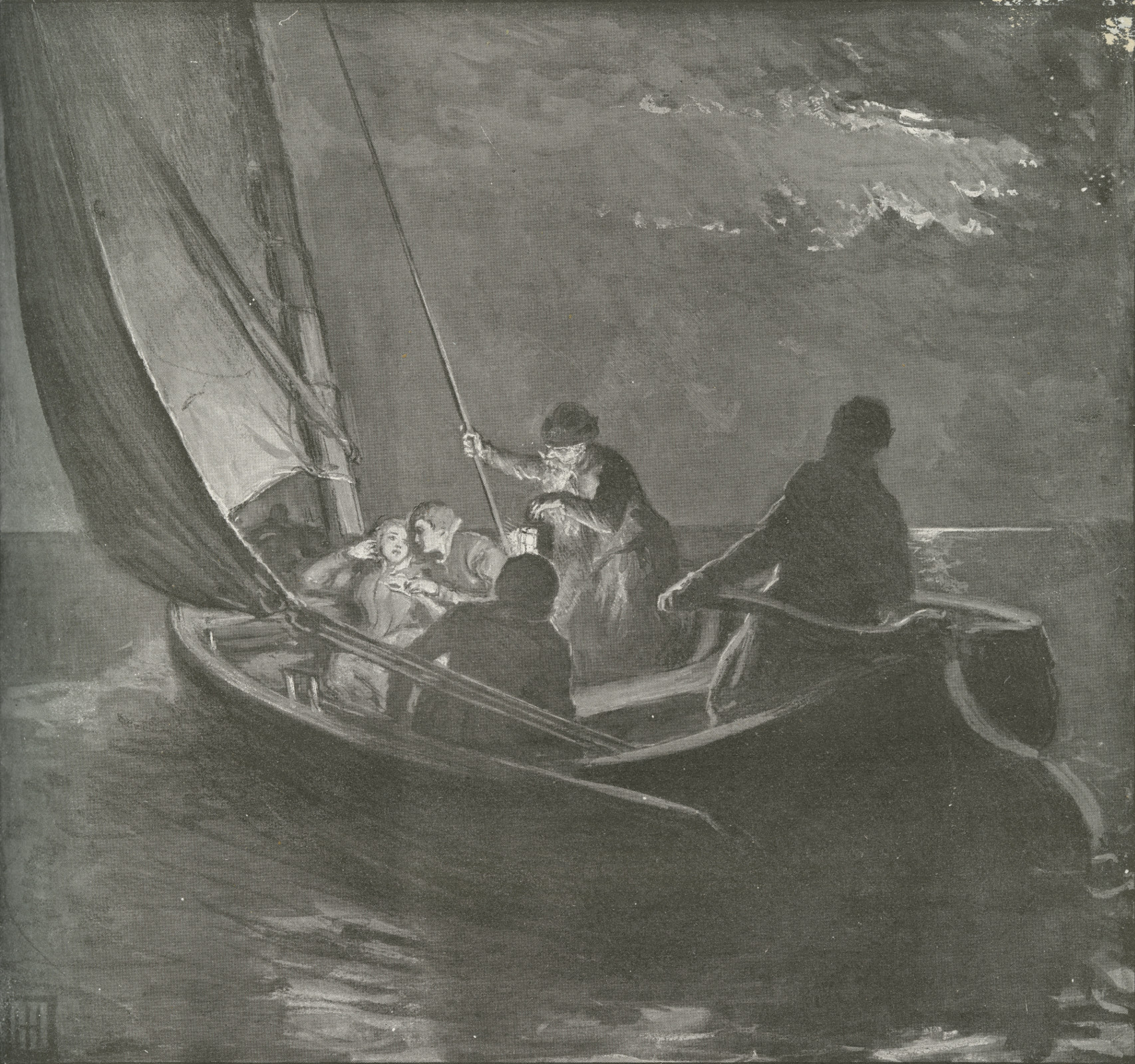
Edition
The Graphic, vol. 63, no. 1628
London: The Graphic Office, 9 February 1901.
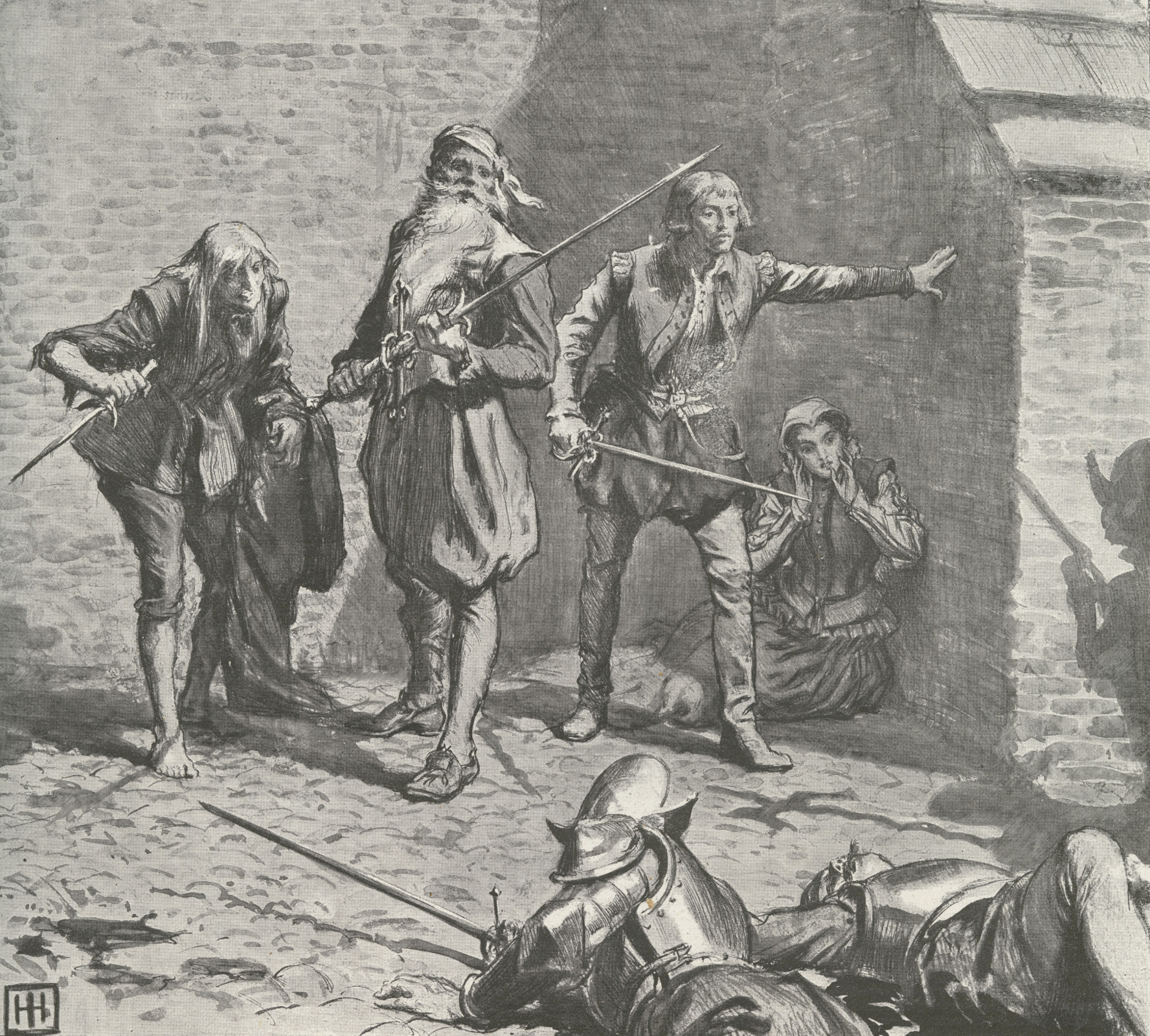
Edition
The Graphic, vol. 63, no. 1629
London: The Graphic Office, 16 February 1901.
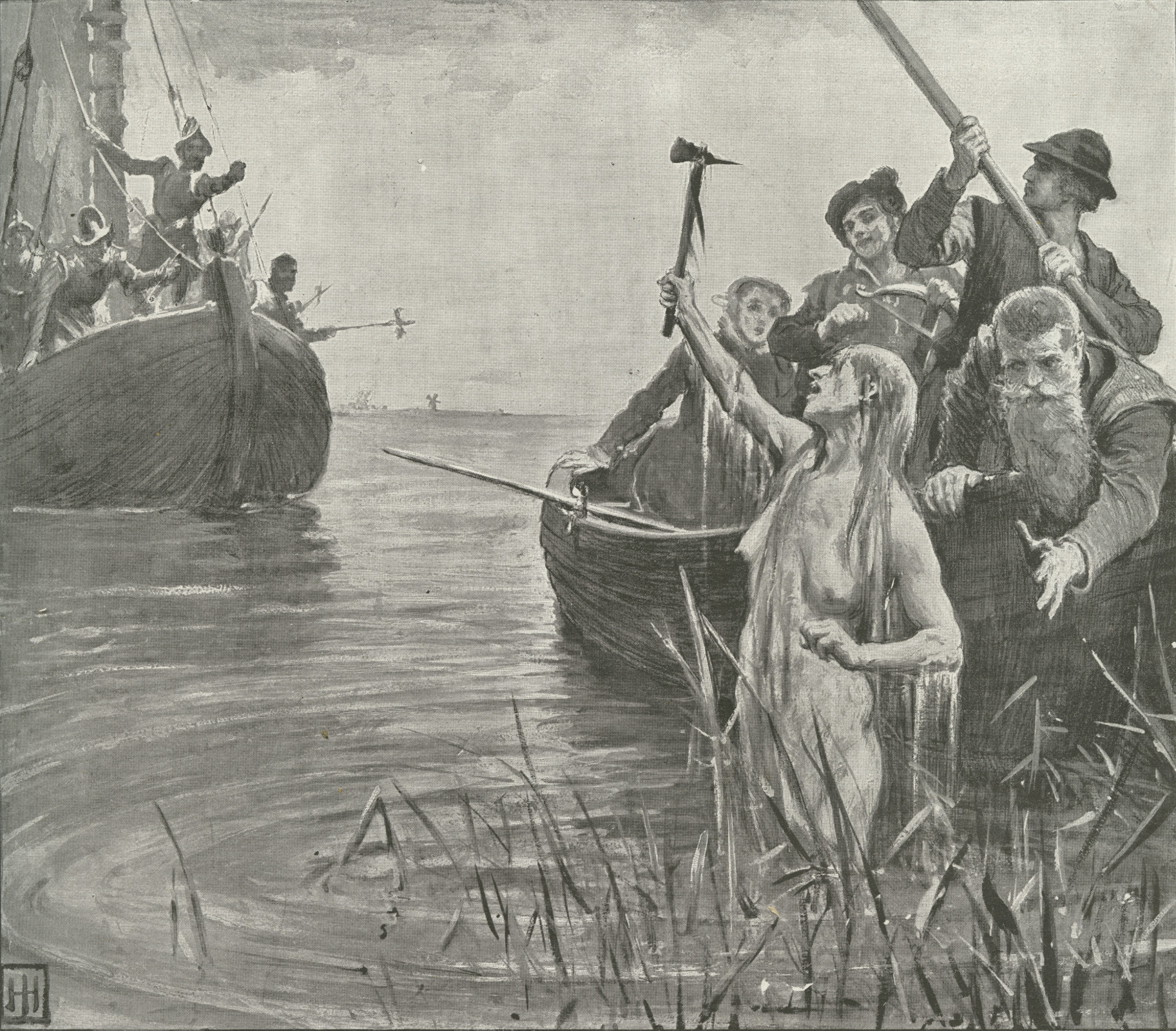
Edition
The Graphic, vol. 63, no. 1630
London: The Graphic Office, 23 February 1901.
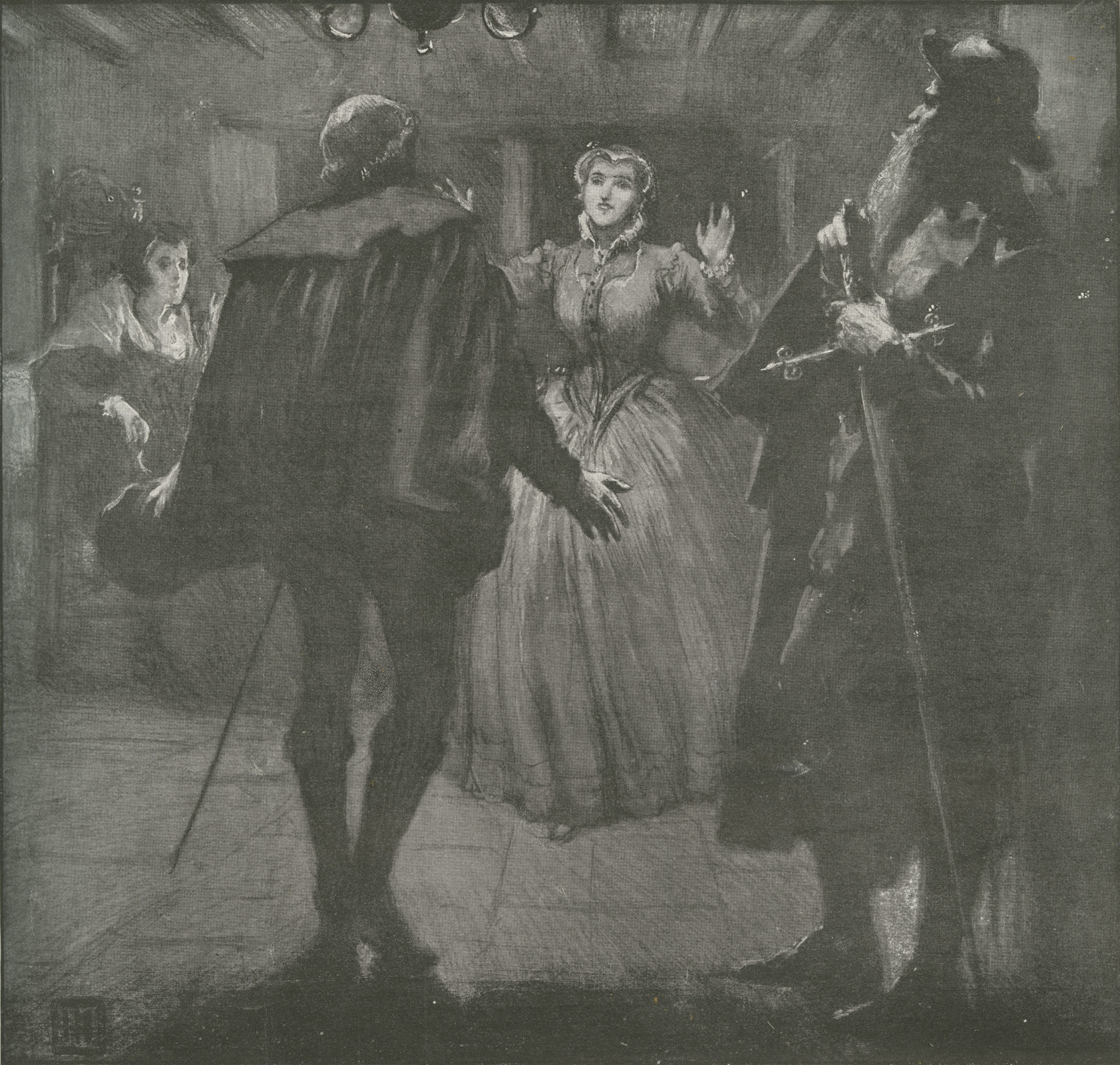
Edition
The Graphic, vol. 63, no. 1631
London: The Graphic Office, 2 March 1901.

Edition
Newnes' Sixpenny Novels Illustrated
London: George Newnes, c. 1906.
Illustrator archive
Illustrators of Lysbeth, A Tale of the Dutch
Illustration archive
Illustrations from Lysbeth, A Tale of the Dutch
Illustration
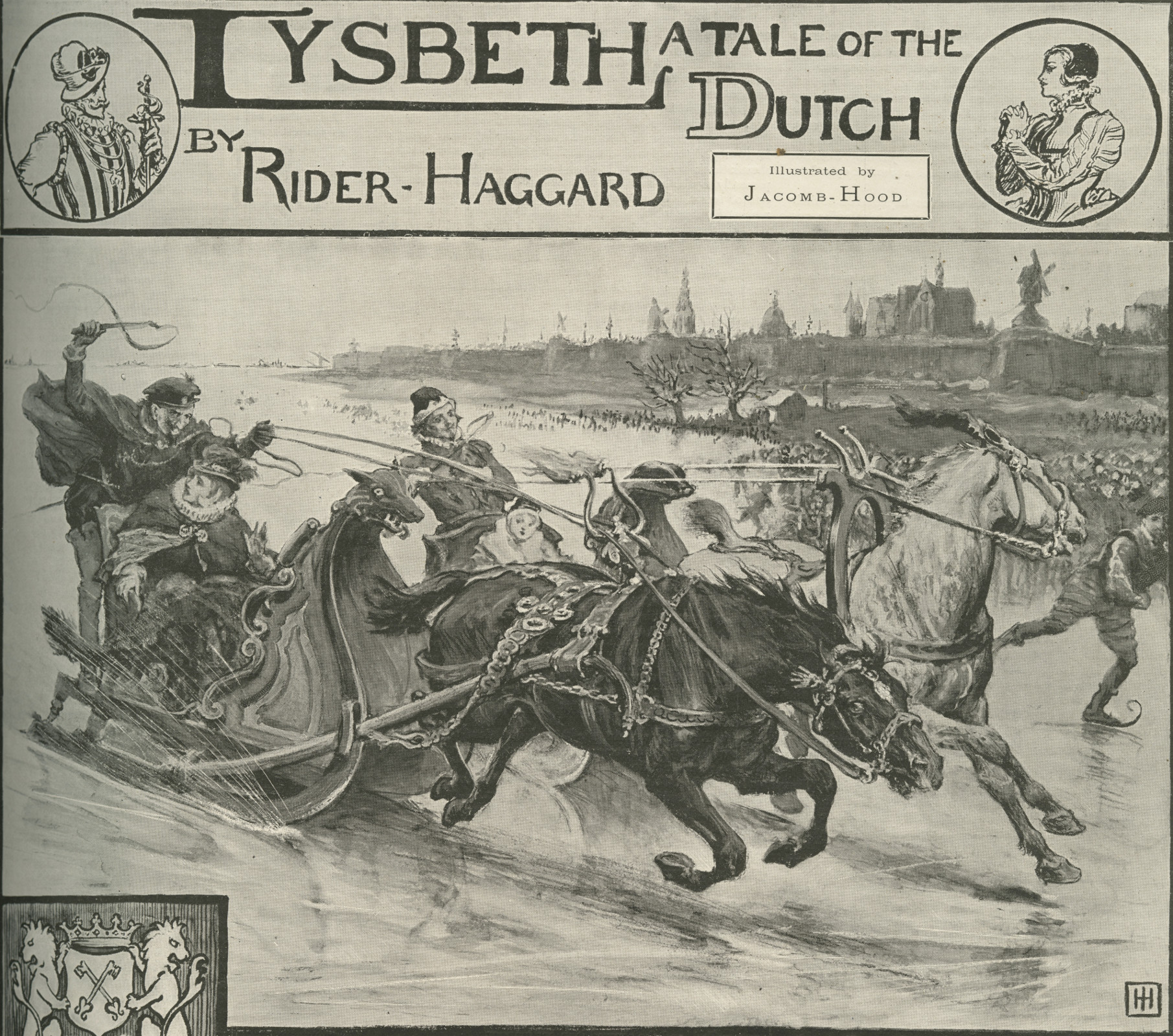
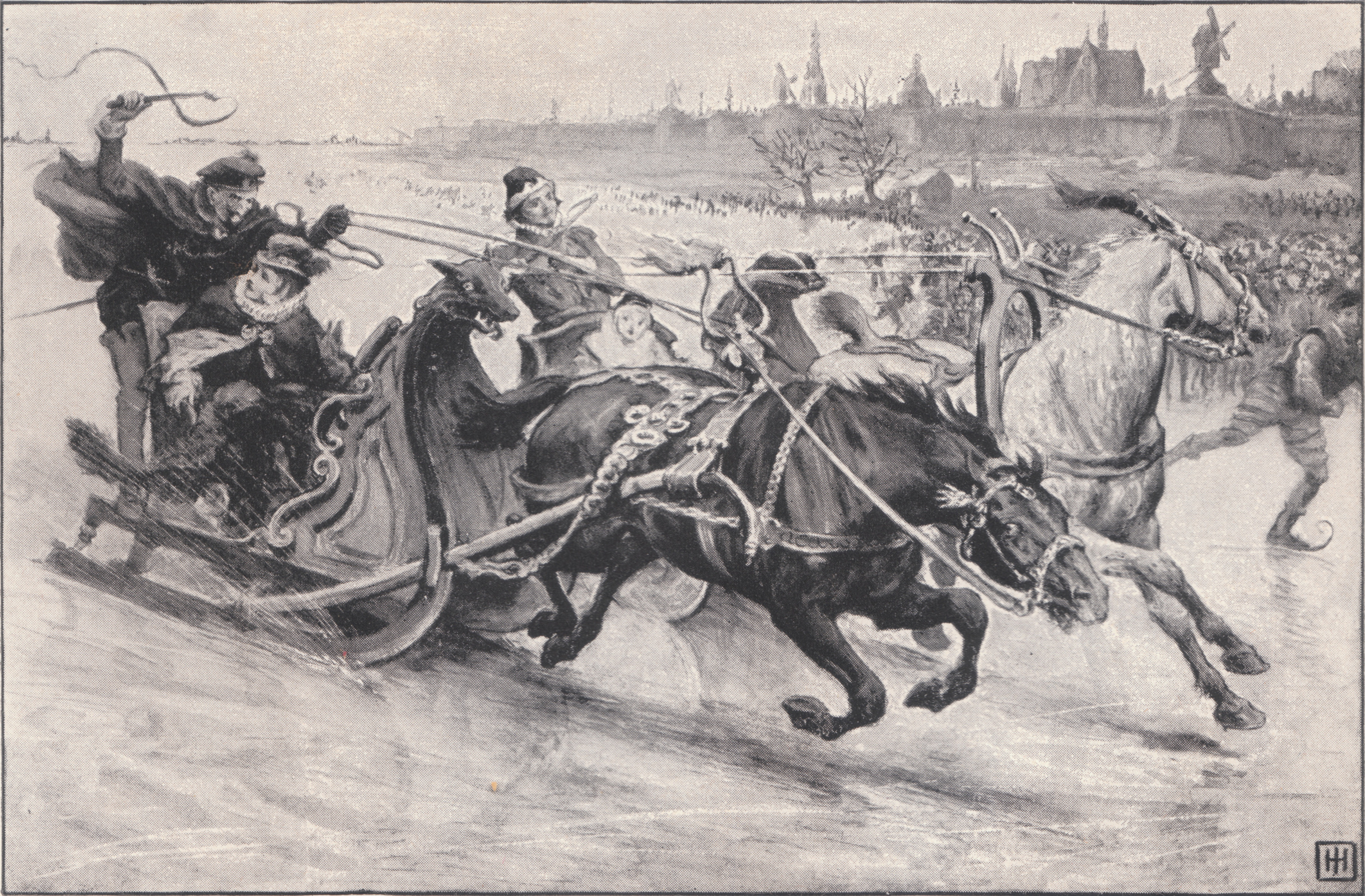
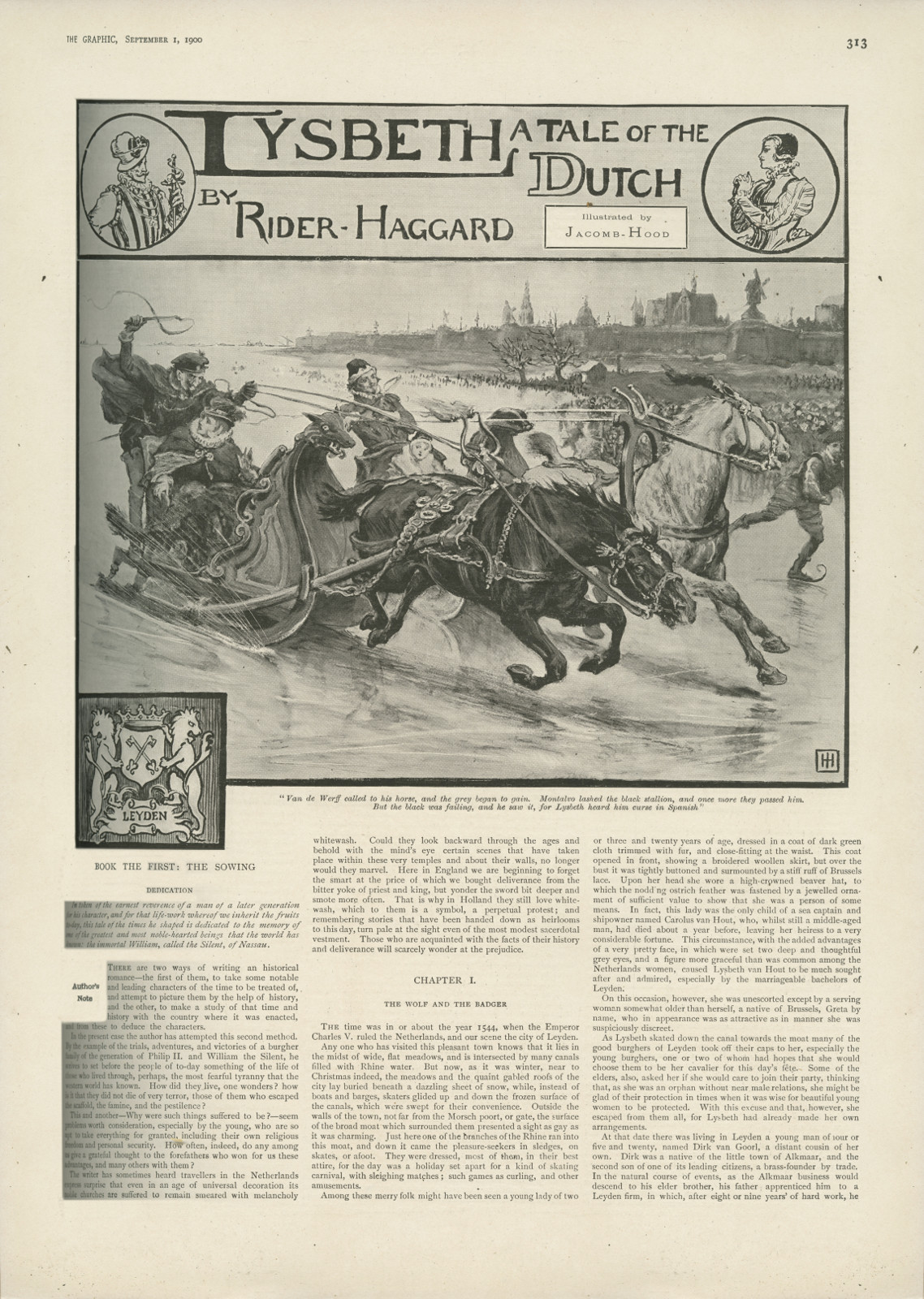
Van de Werff called to his horse, and the grey began to gain. Montalvo lashed the black stallion, and once more they passed him. But the black was failing, and he saw it, for Lysbeth heard him curse in Spanish
Illustration
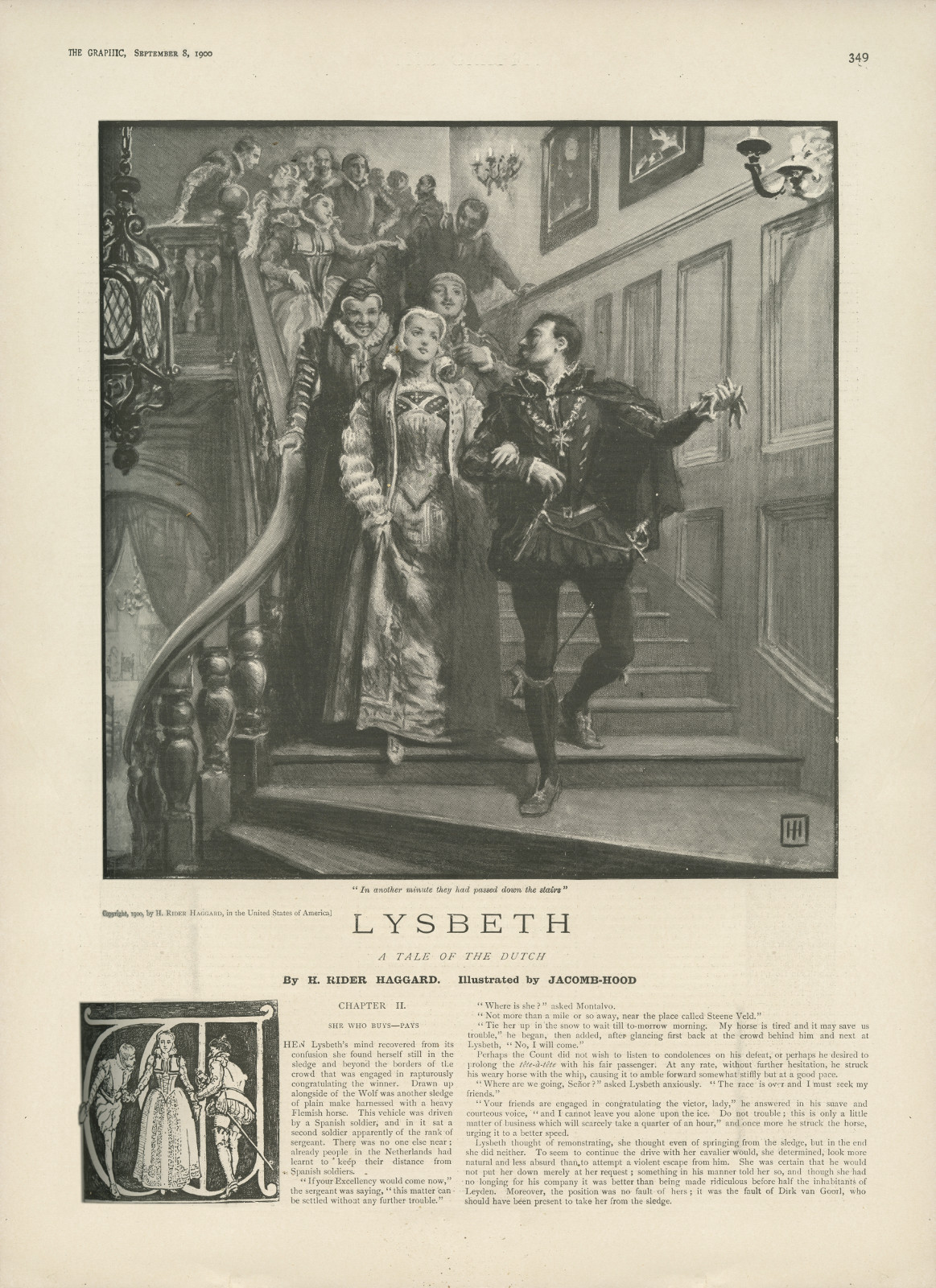
In another minute they had passed down the stairs
Illustration
Then

Illustration
There
Illustration
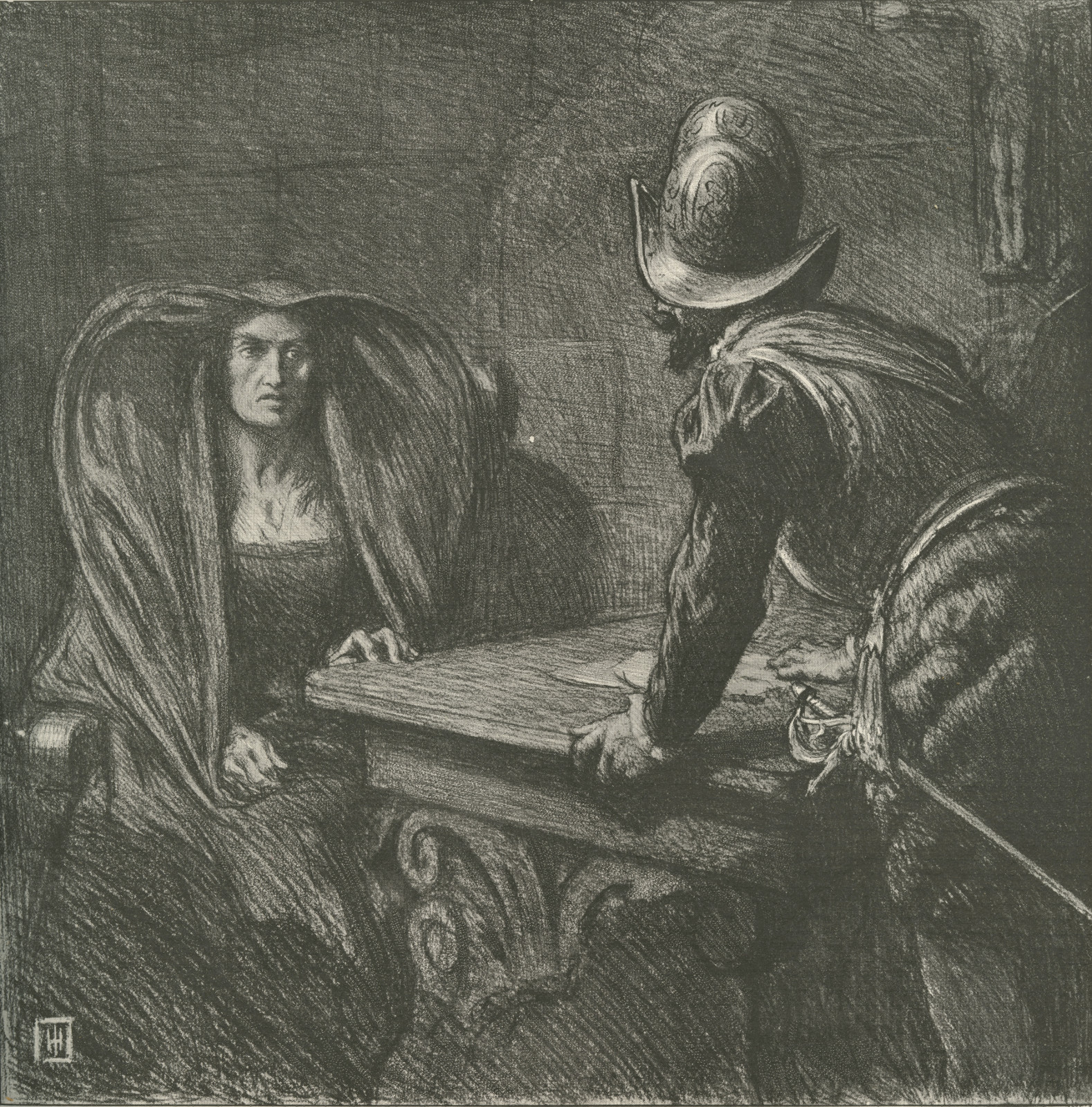
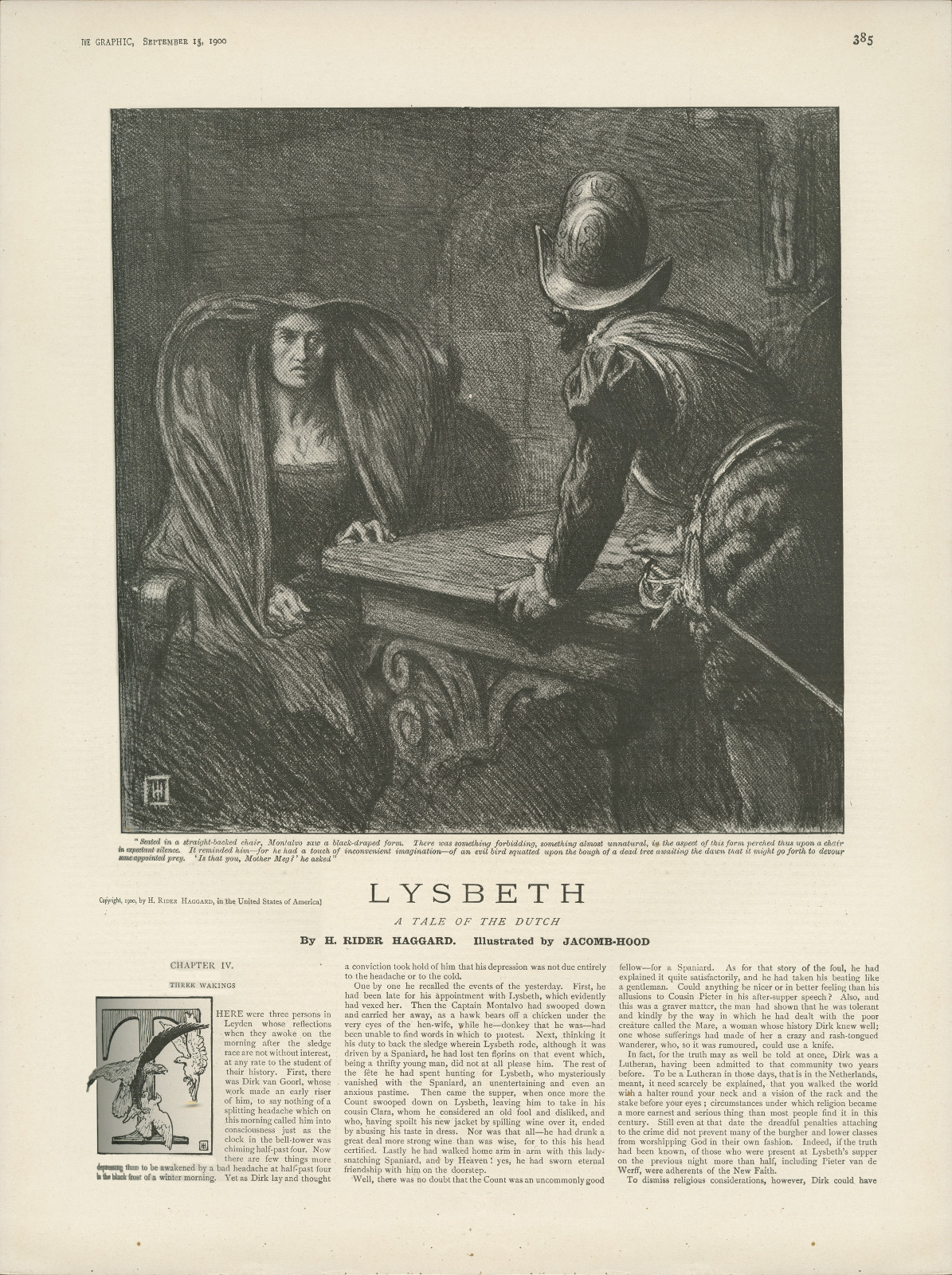
Seated in a straight-backed chair, Montalvo saw a draped form. There was something forbidding, something almost unnatural, in the aspect of this form perched thus upon a chair in expectant silence

Illustration
So there, beneath the light of the guttering candles, they knelt side by side while Brant, speaking for both of them, offered up a prayer

Illustration
On
Illustration
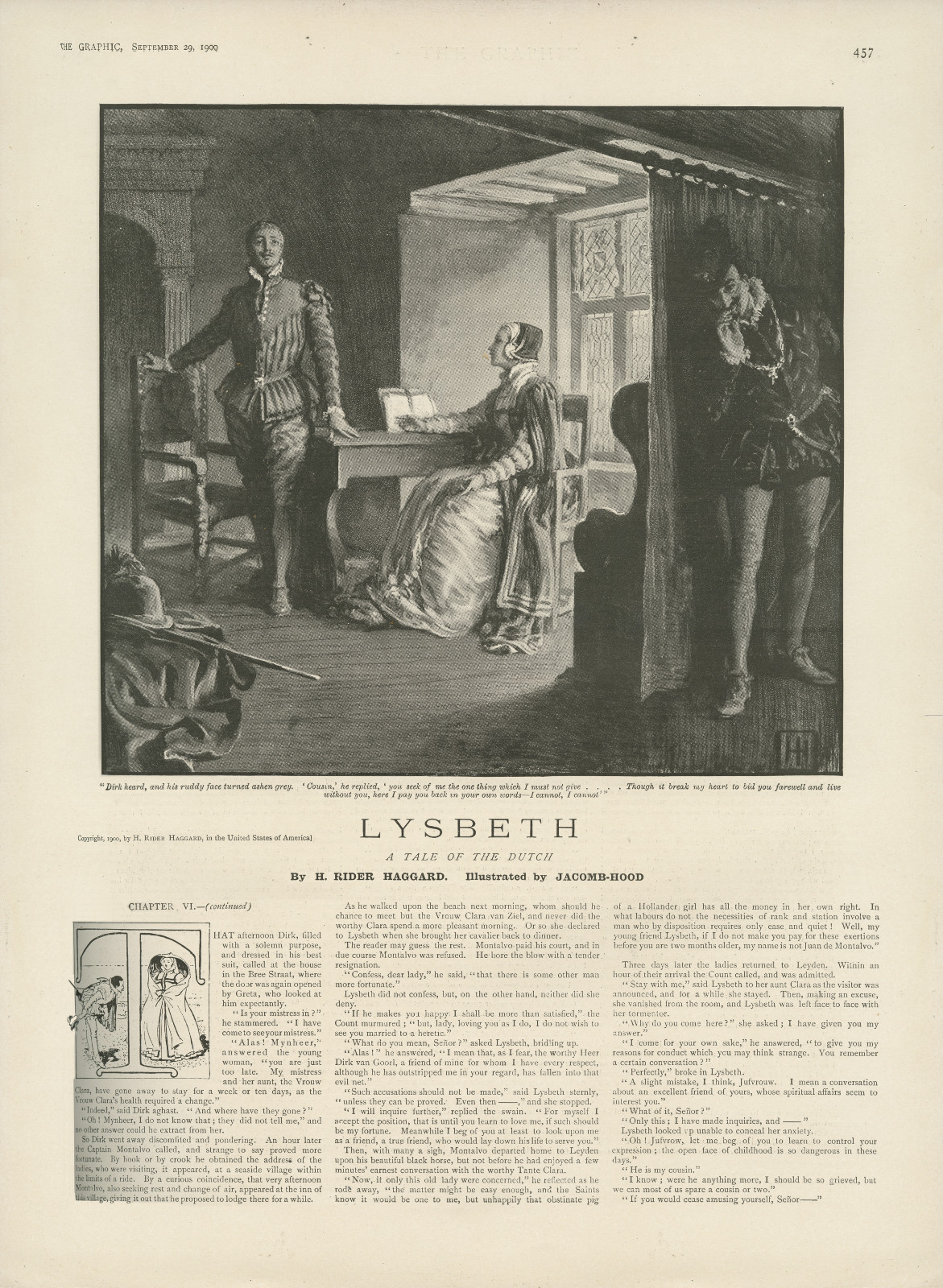
Dirk heard, and his ruddy face turned ashen grey. 'Cousin,' he replied, 'you seek of me the one thing which I must not give...without you, here I pay you back in your own words—I cannot, I cannot, I cannot'
Illustration
That
Illustration
Three
Illustration
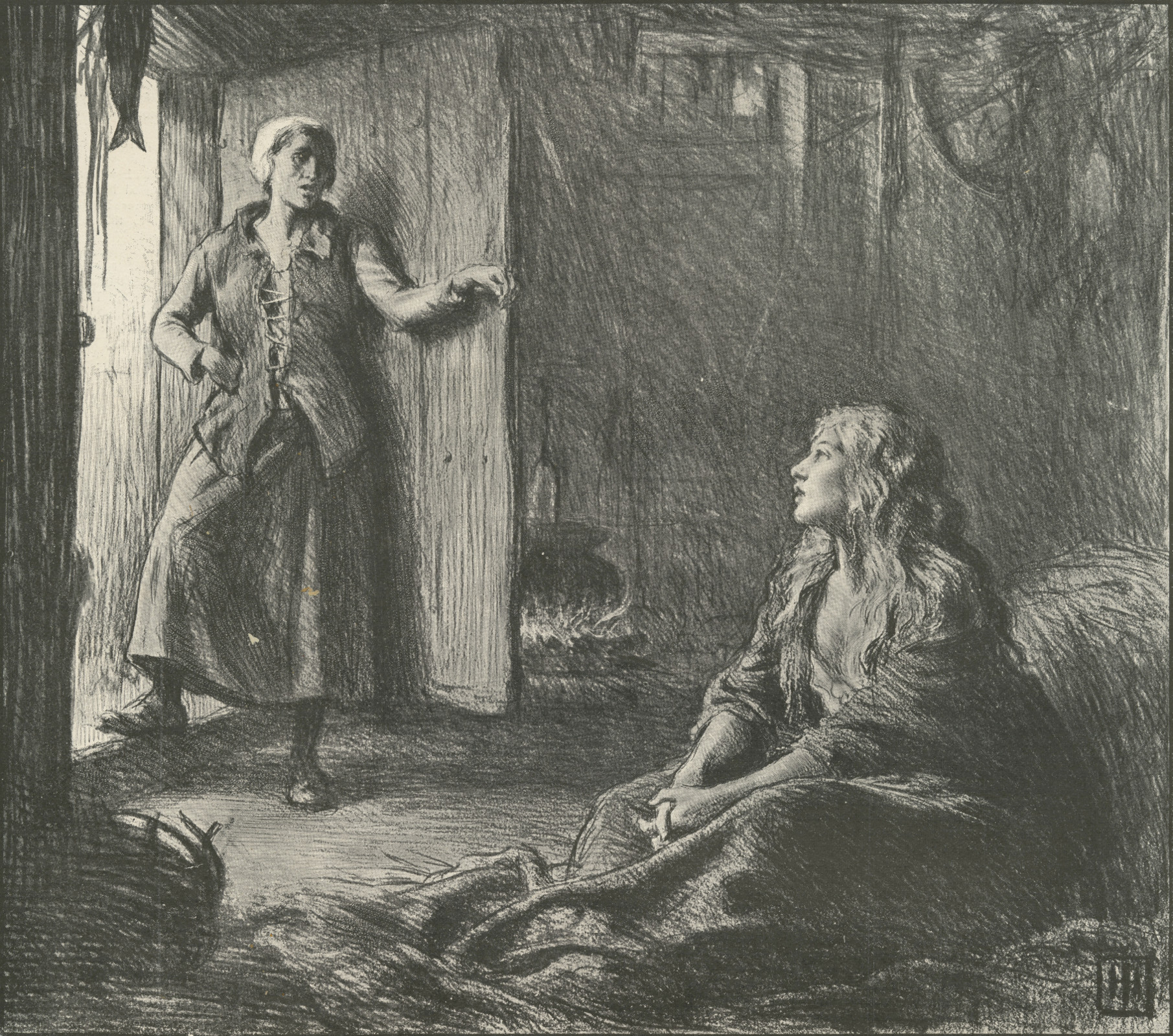
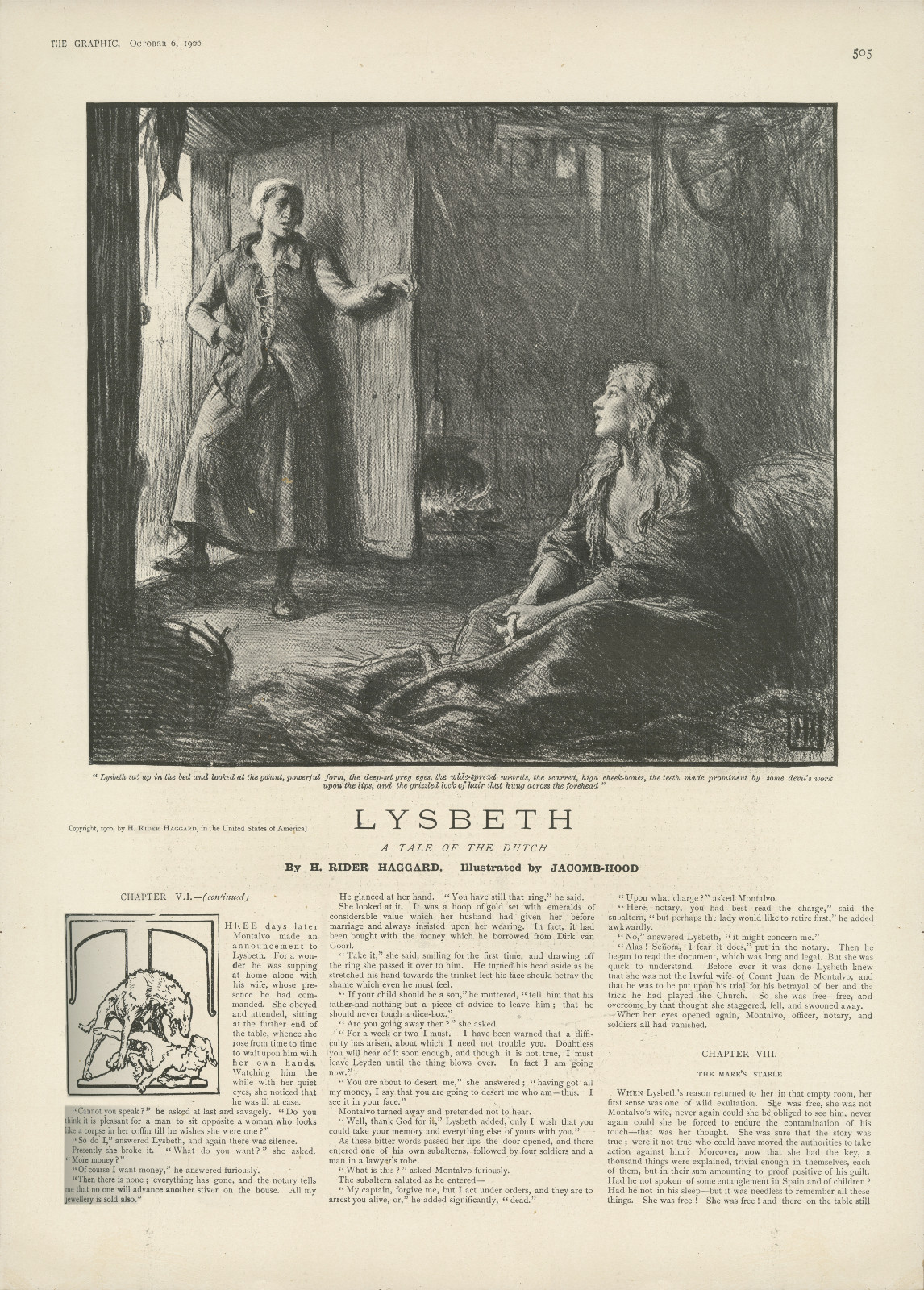
Lysbeth sat up in the bed and looked at the gaunt, powerful form, the deep-set grey eyes, the wide-spread nostrils, the scarred, high cheek-bones, the teeth made prominent by some devil’s work upon the lips
Illustration
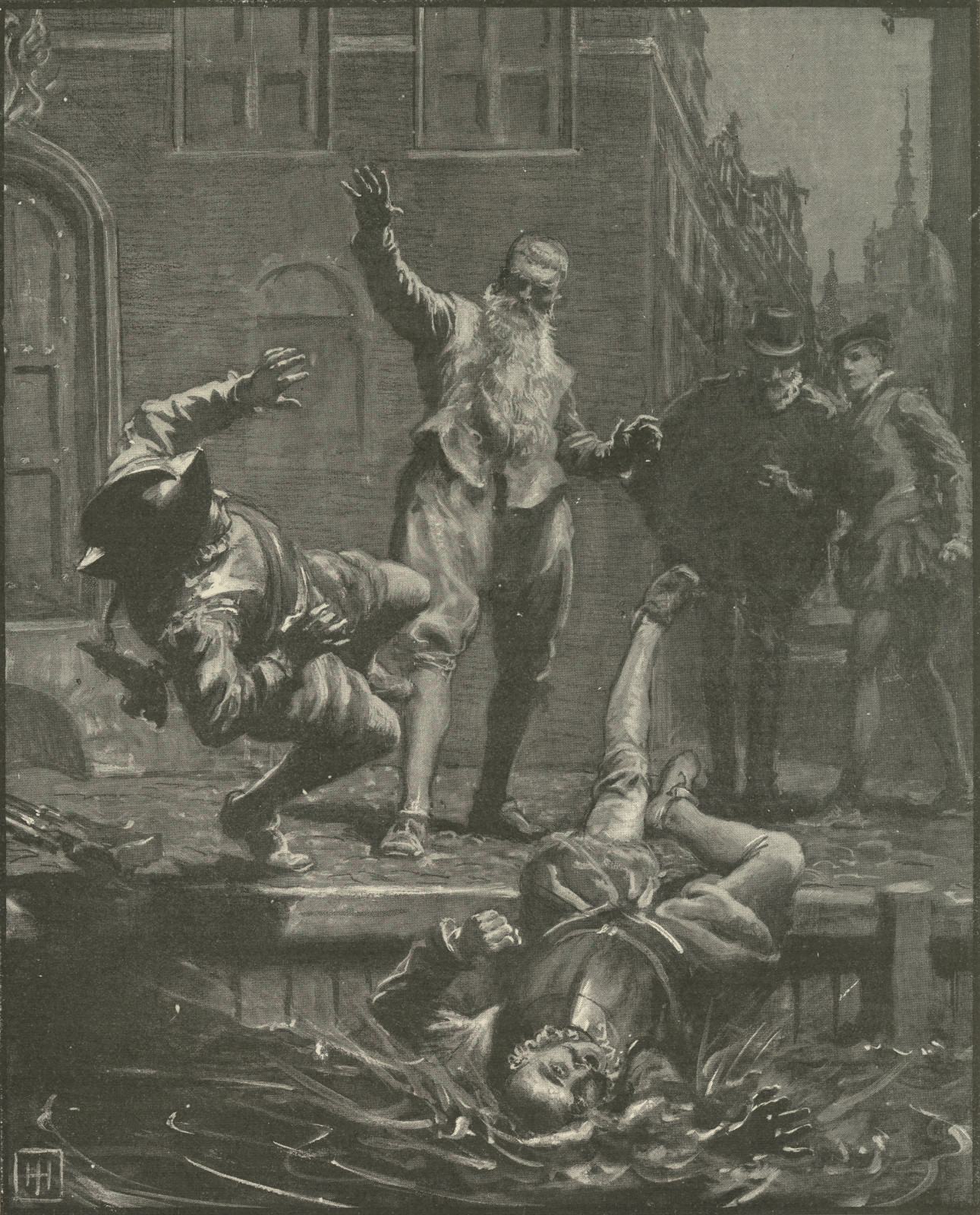
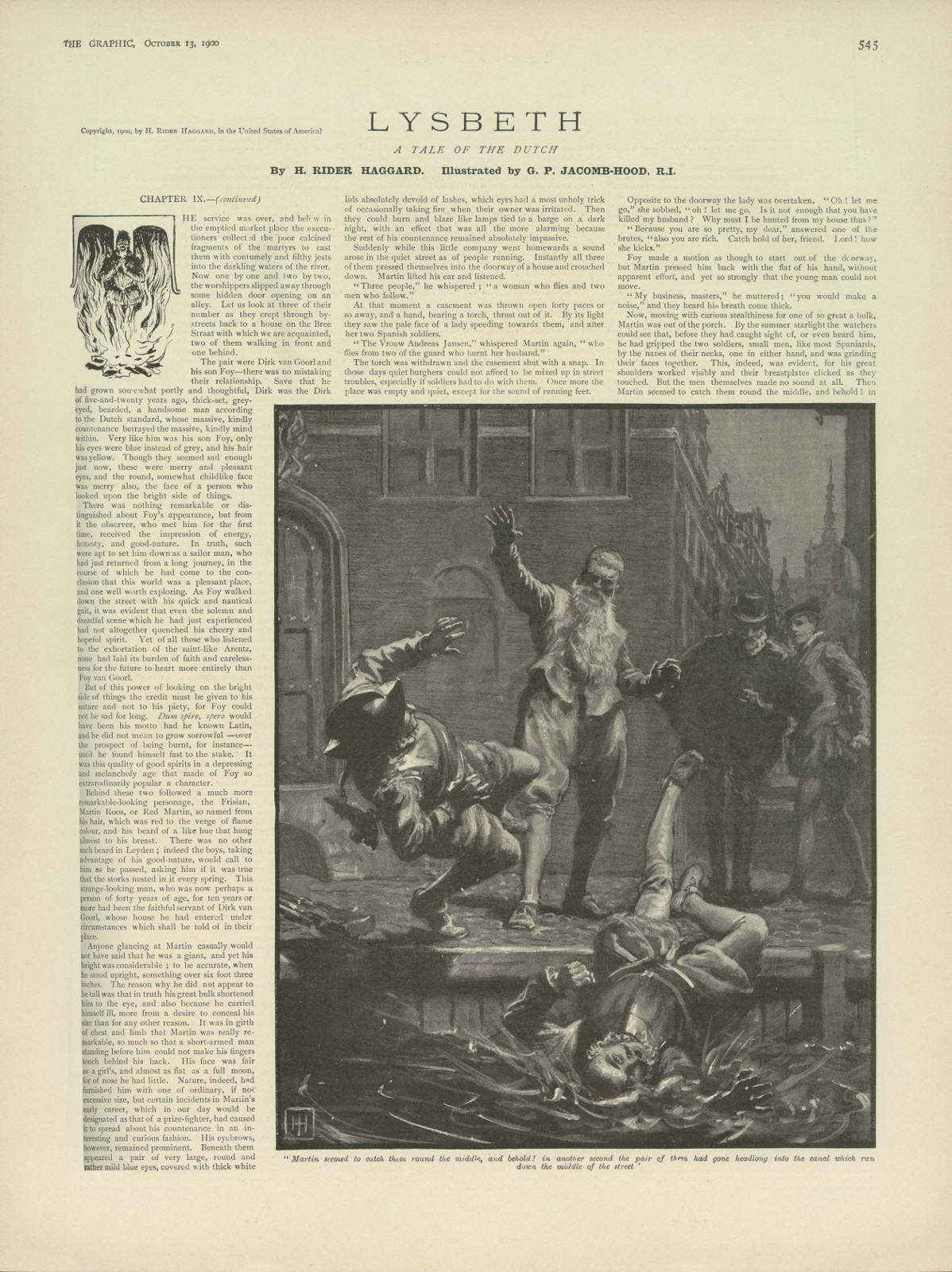
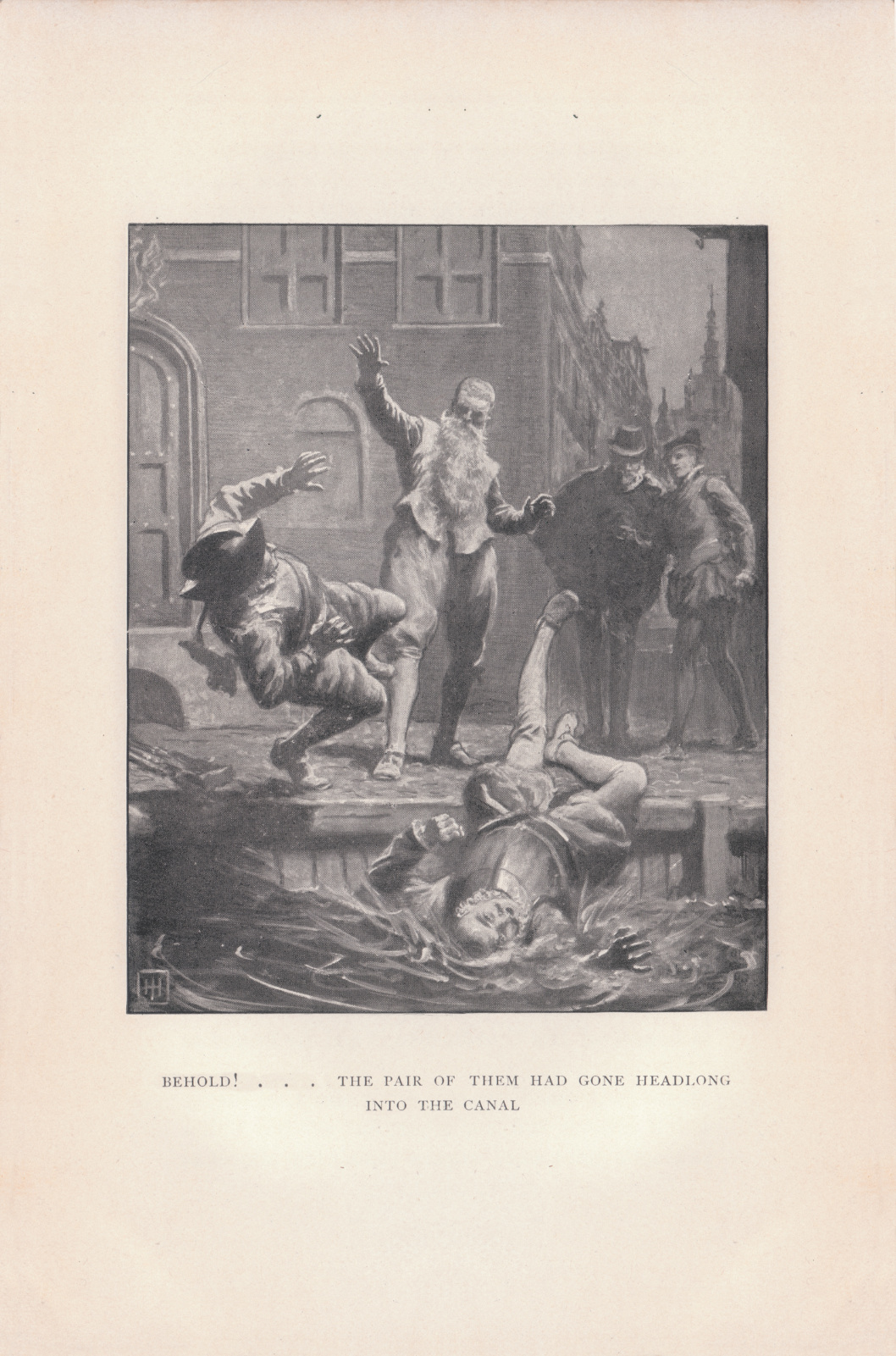
Martin seemed to catch them round the middle, and behold! in another second the pair of them had gone headlong into the canal which ran down the middle of the street
Illustration
The
Illustration
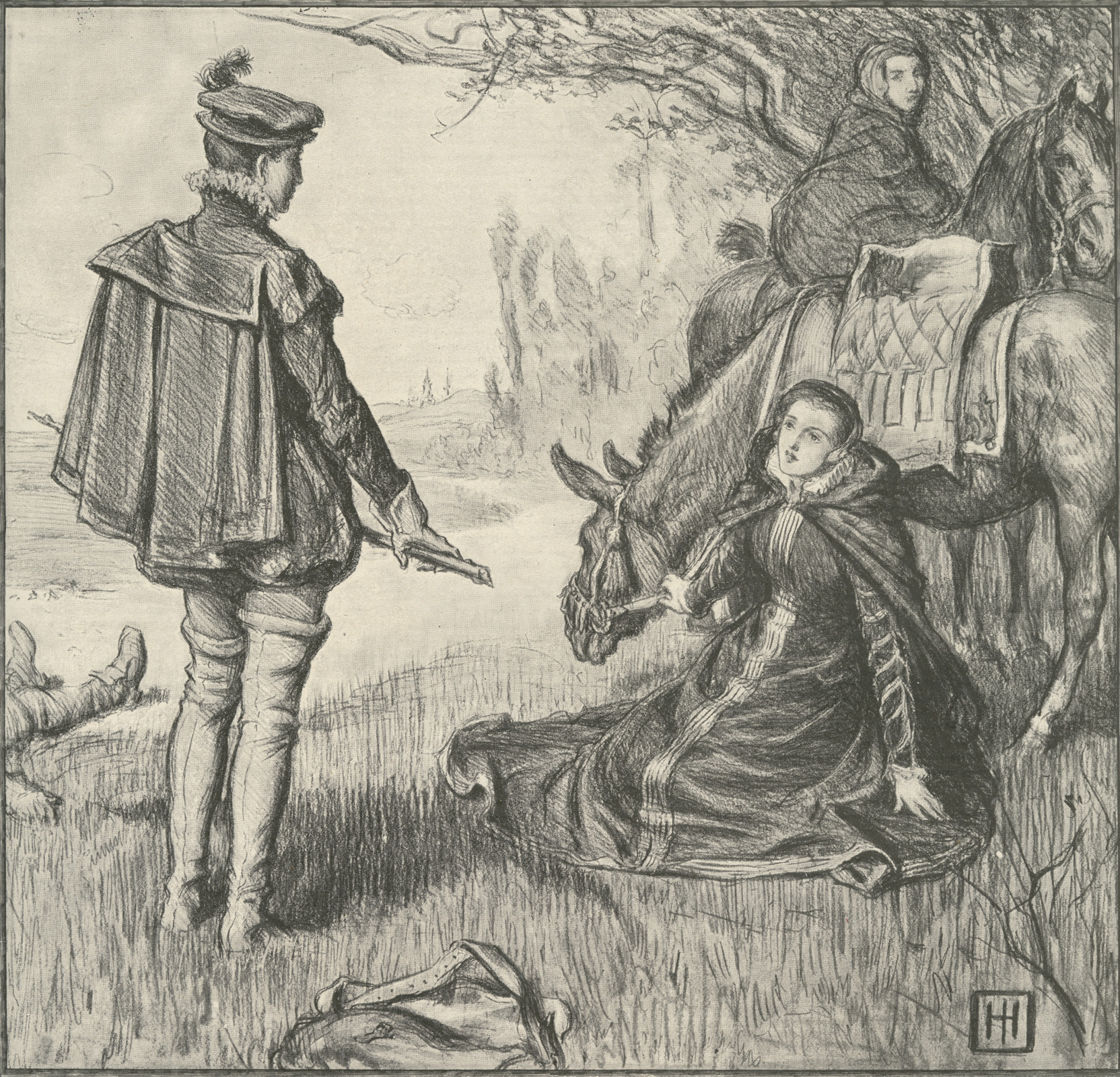
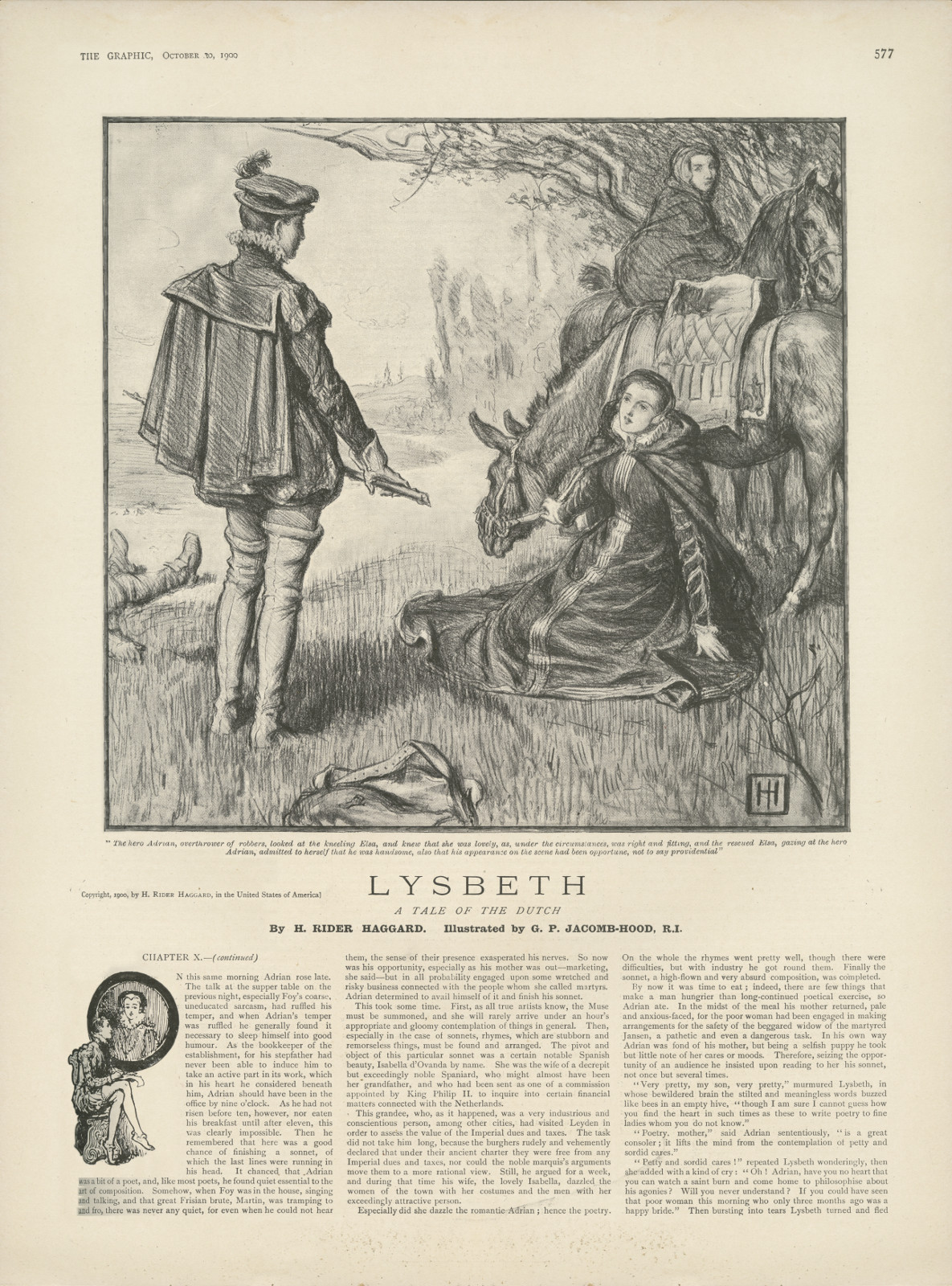
The hero Adrian, overthrower of robbers, looked at the kneeling Elsa, and knew that she was lovely, as, under the circumstances, was right and fitting, and the rescued Elsa, gazing at the hero Adrian, admitted to herself that he was handsome
Illustration
On
Illustration
When
Illustration
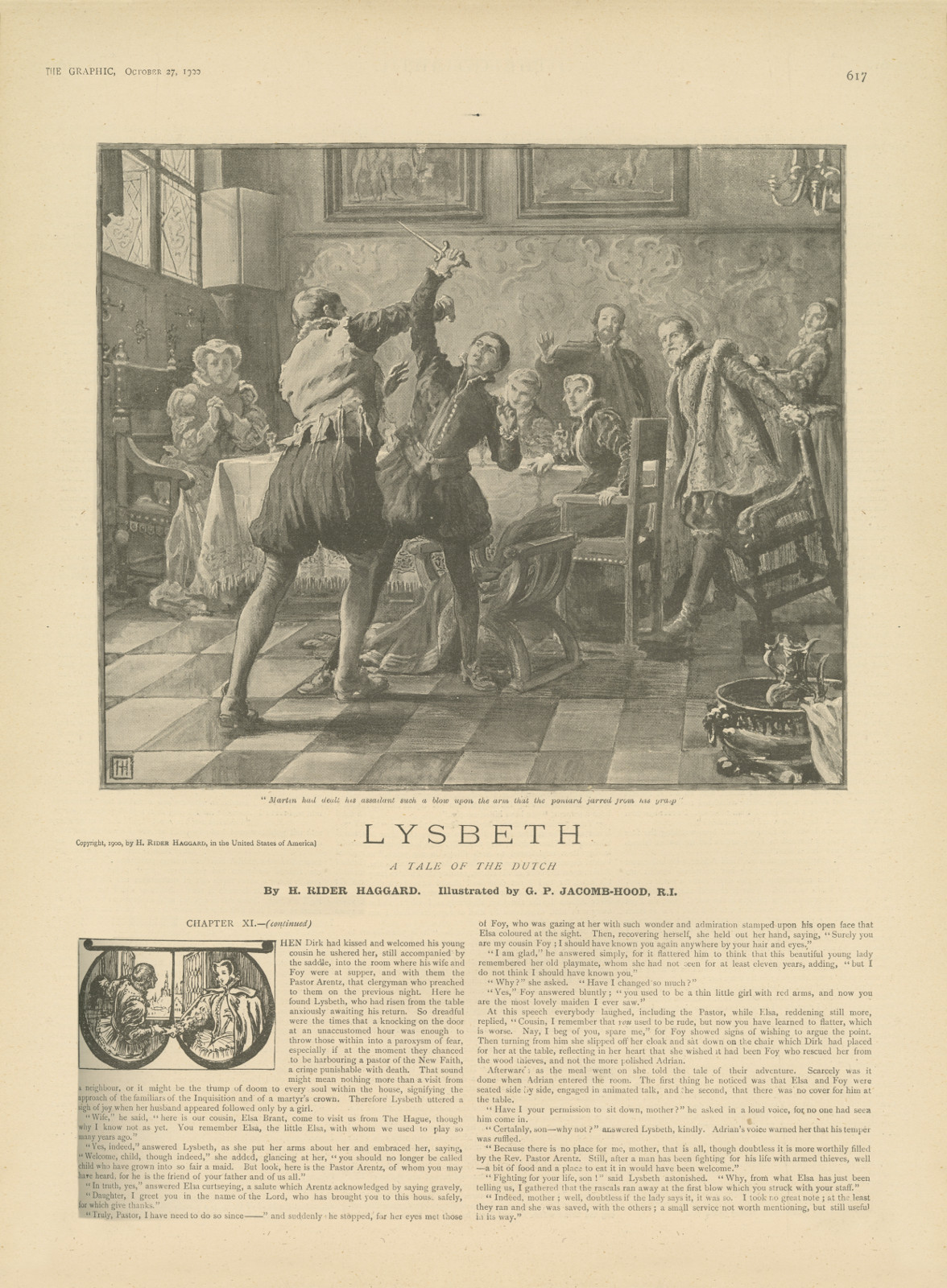
Martin had dealt his assailant such a blow upon the arm that the poniard jarred from his grasp
Illustration
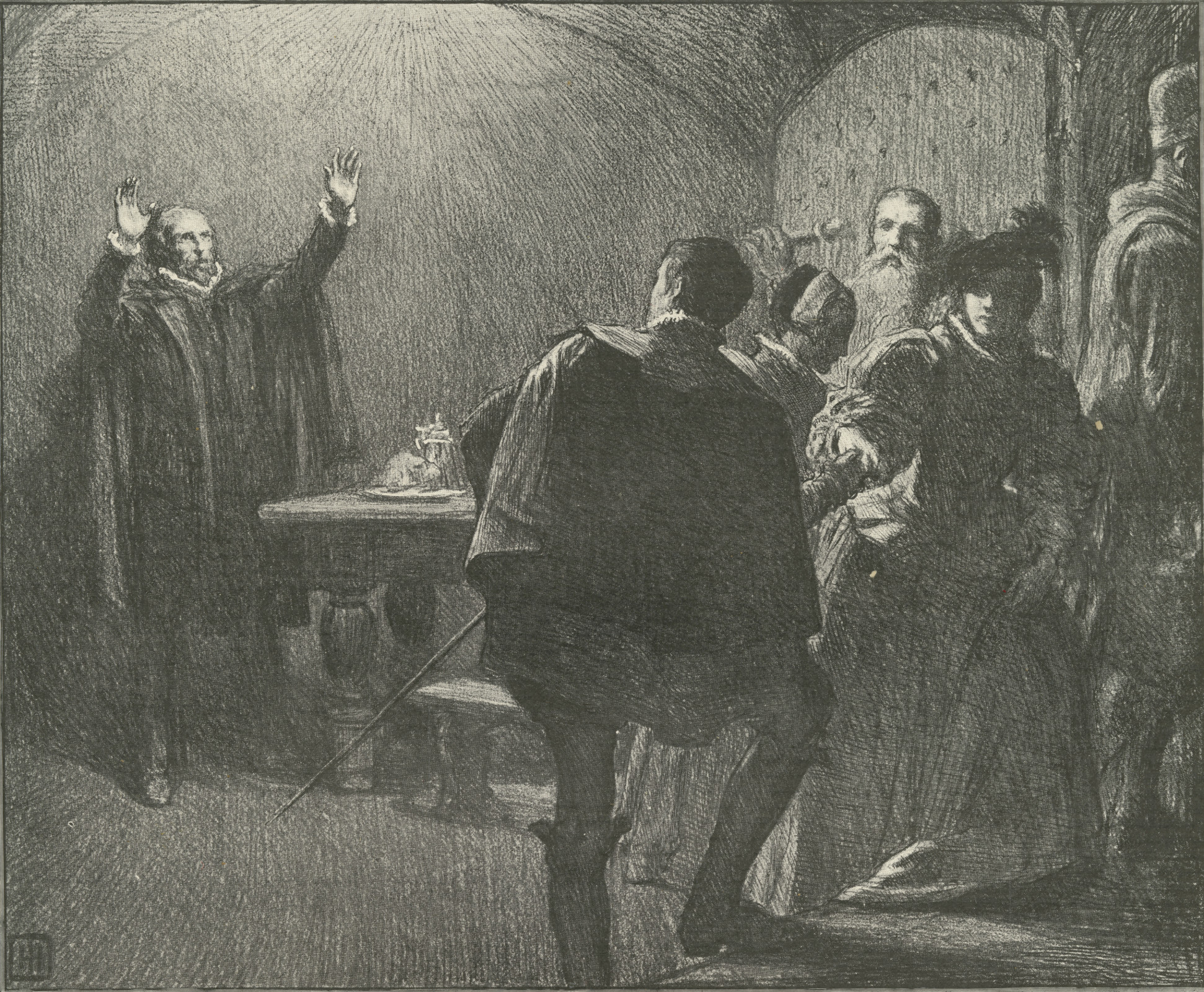
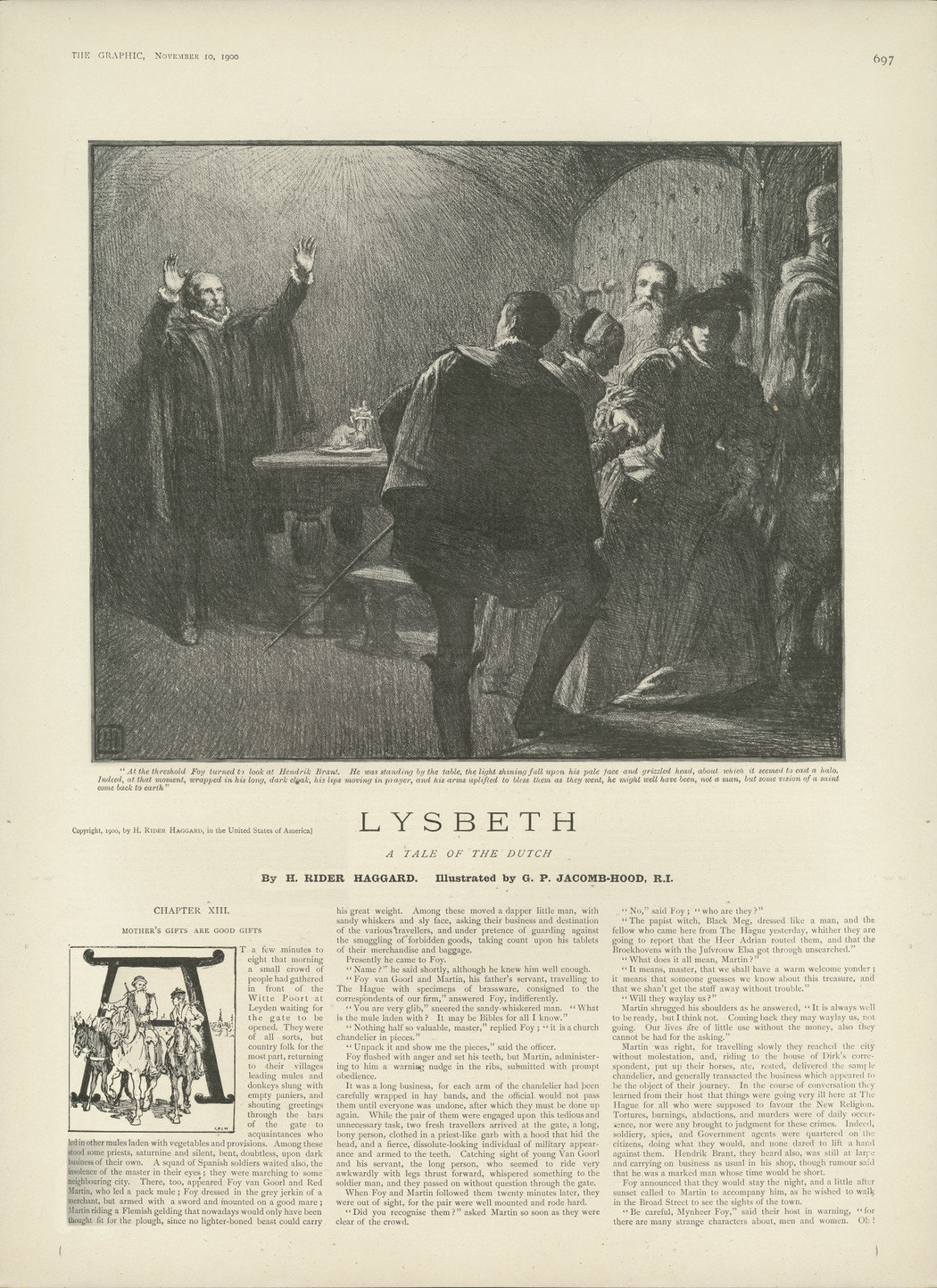
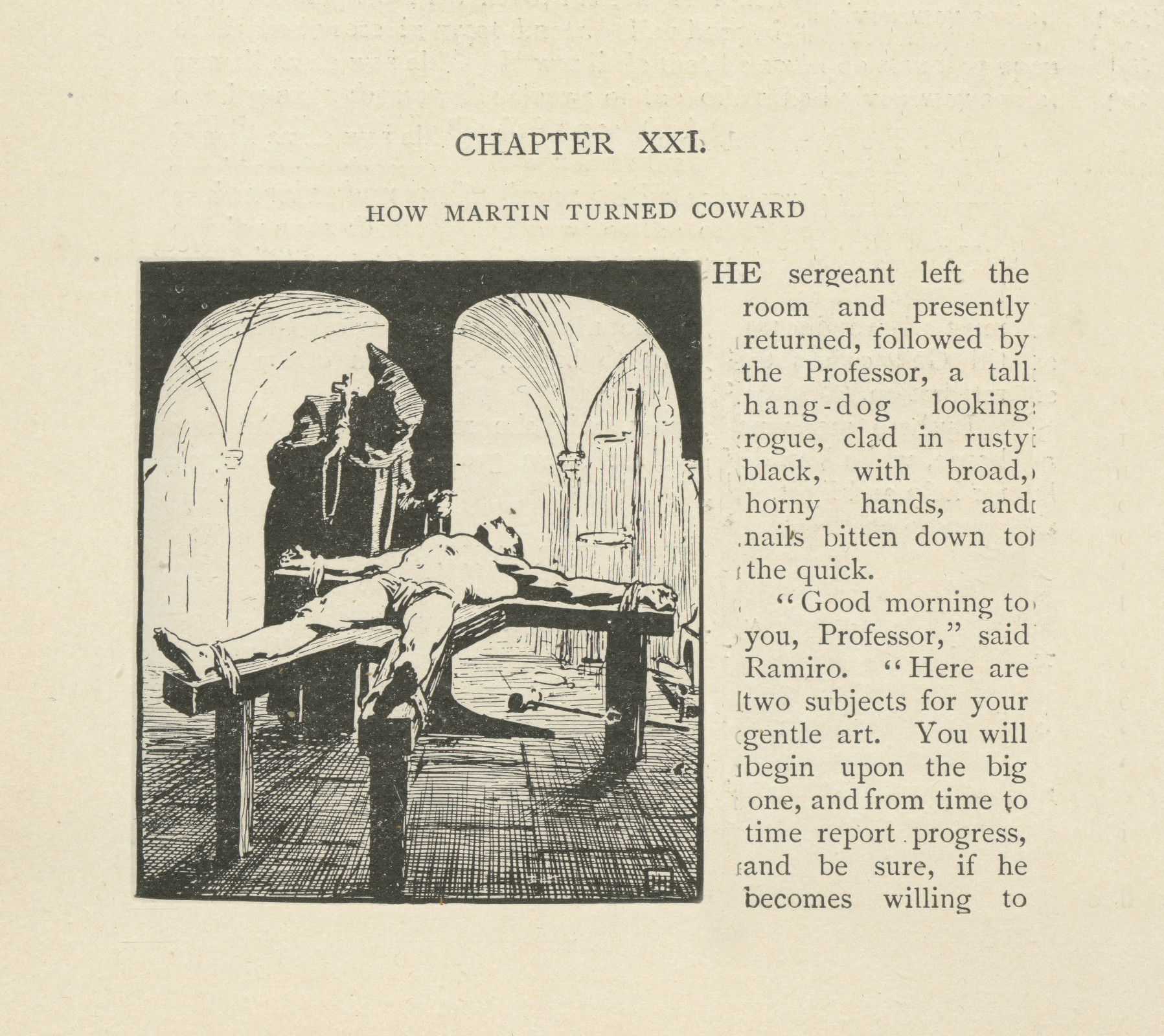
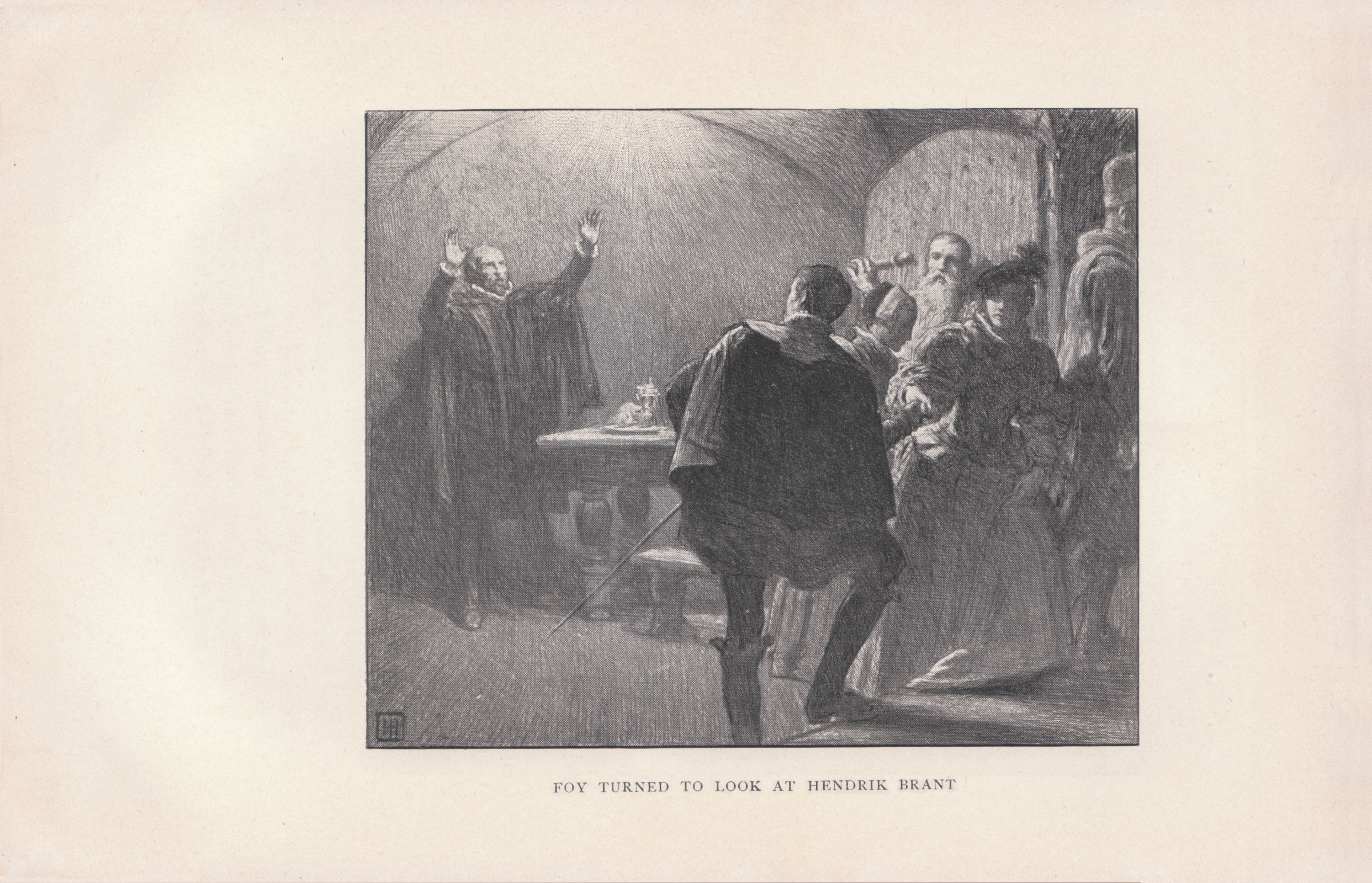
At the threshold Foy turned to look at Hendrik Brant. He was standing by the table, the light shining full upon his pale face and grizzled head, about which it seemed to cast a halo

Illustration
At

Illustration
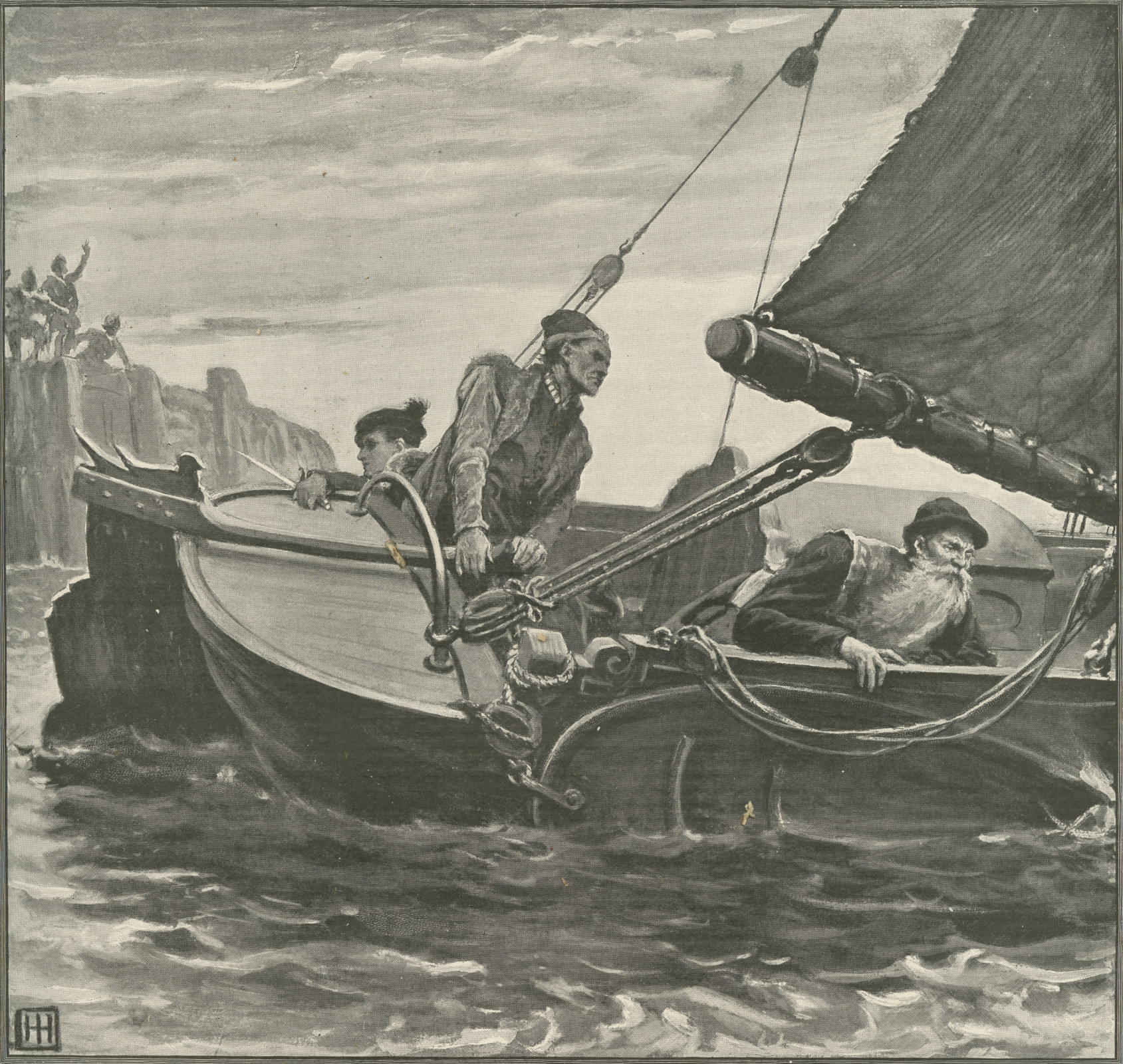
Men appeared upon the bank, calling to know who dared to move the boats without leave
Illustration
For
Illustration
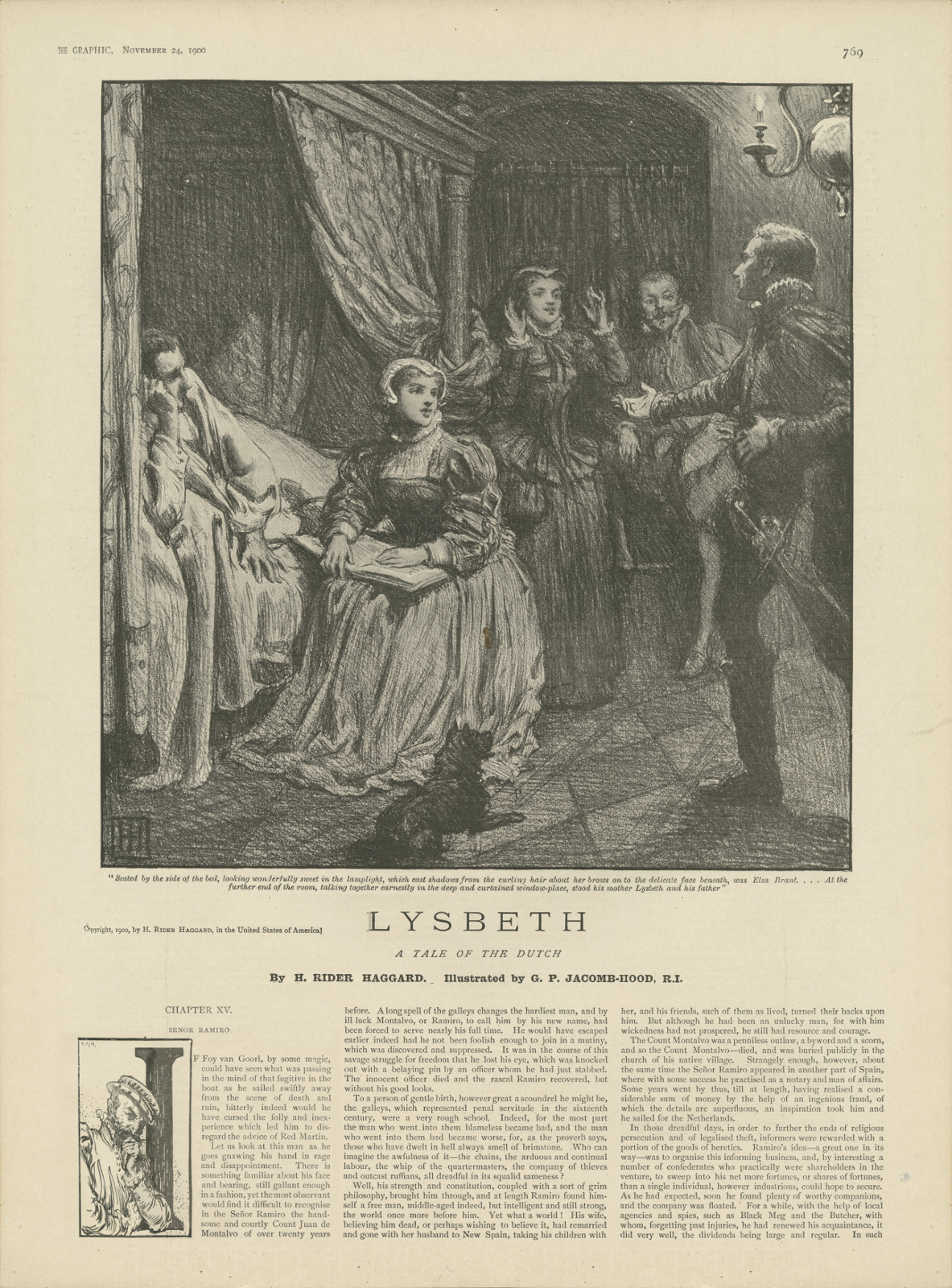
Seated by the side of the bed, looking wonderfully sweet in the lamplight, which cast shadows from the curling hair about her brows on to the delicate face beneath, was Elsa Brant
Illustration
If
Illustration
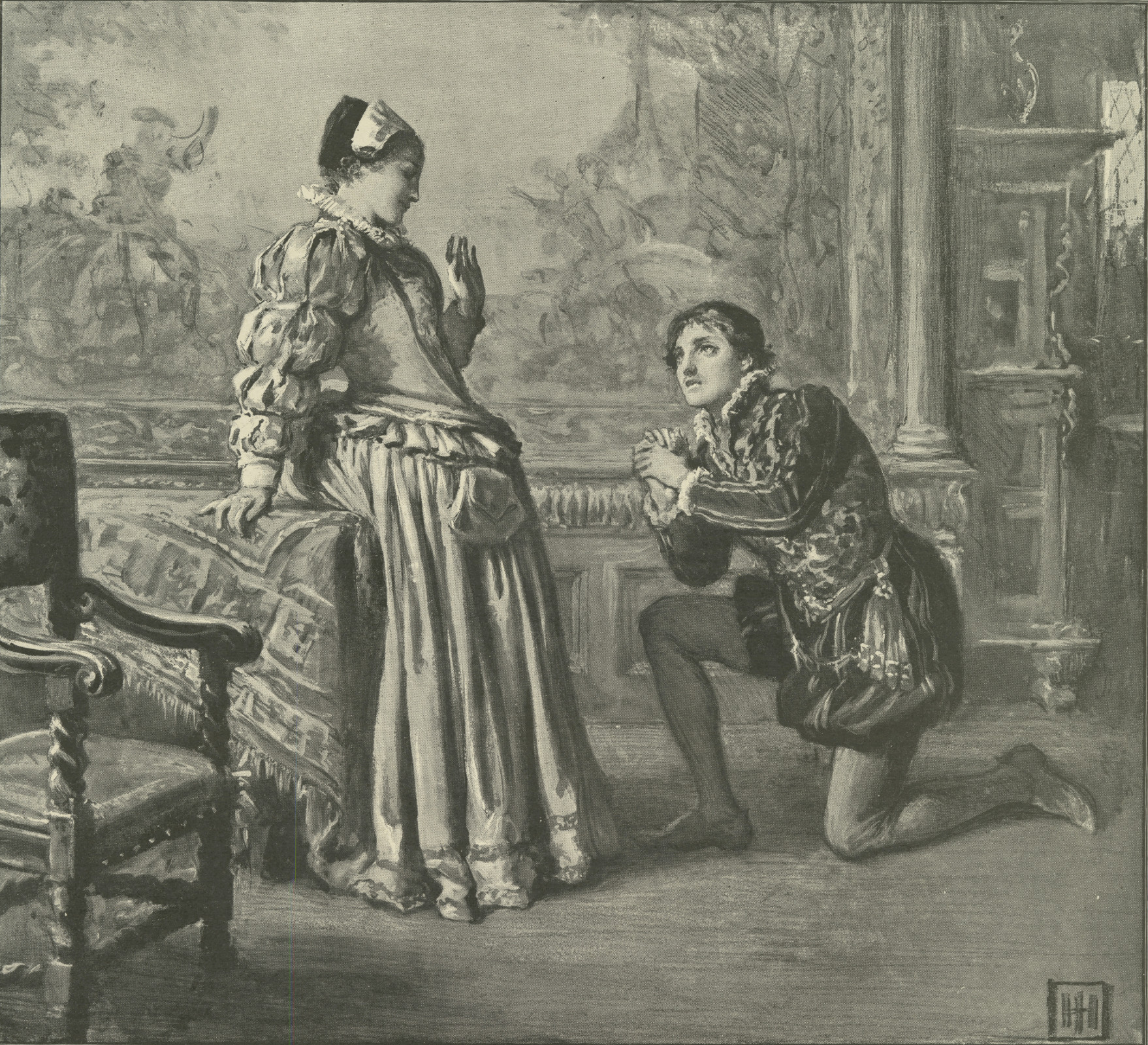
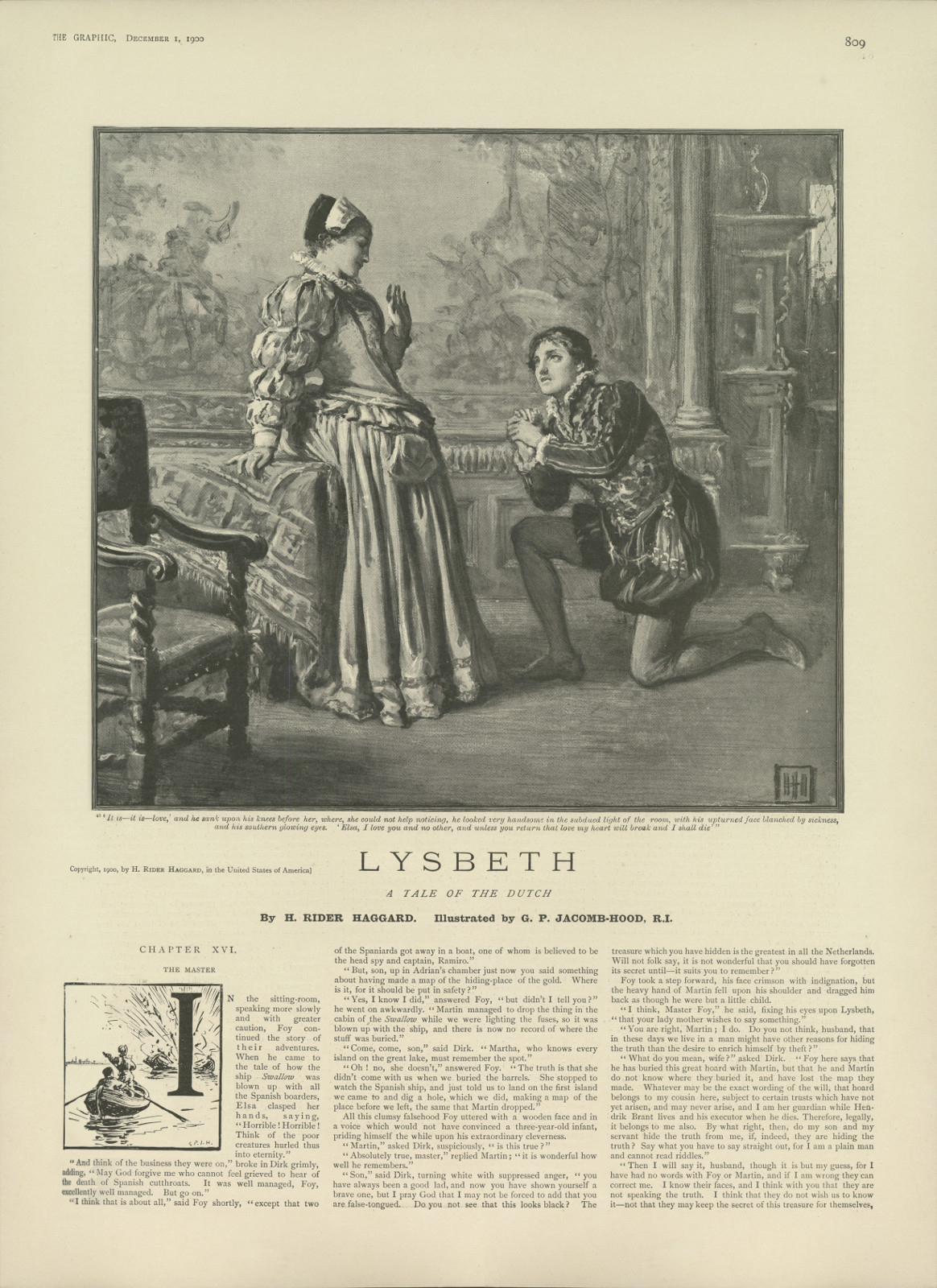
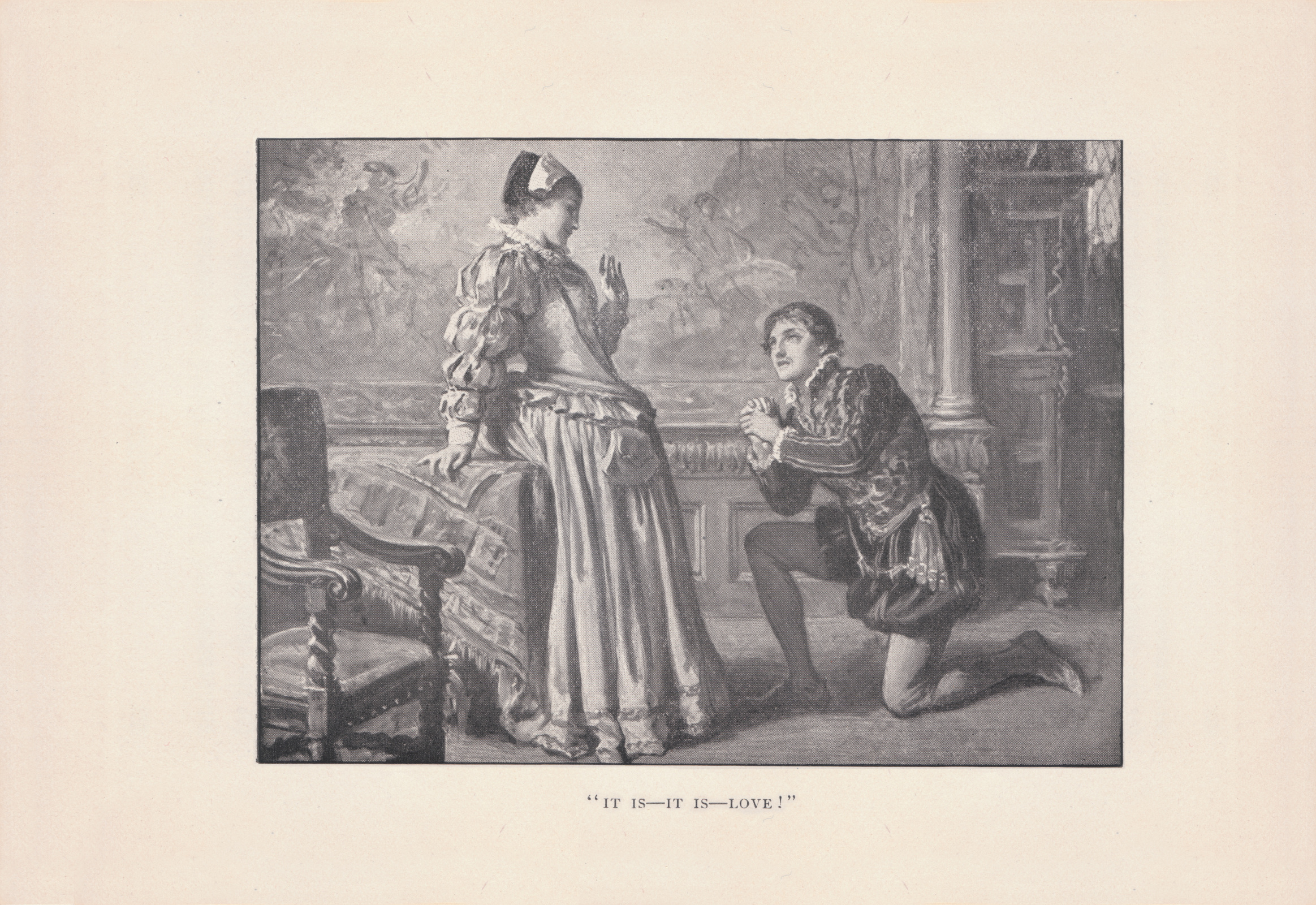
'It is—it is—love,' and he sank upon his knees before her, where, she could not noticing, he looked very handsome in the subdued light of the room, with his upturned face blanched by sickness, and his southern glowing eyes
Illustration
In
Illustration
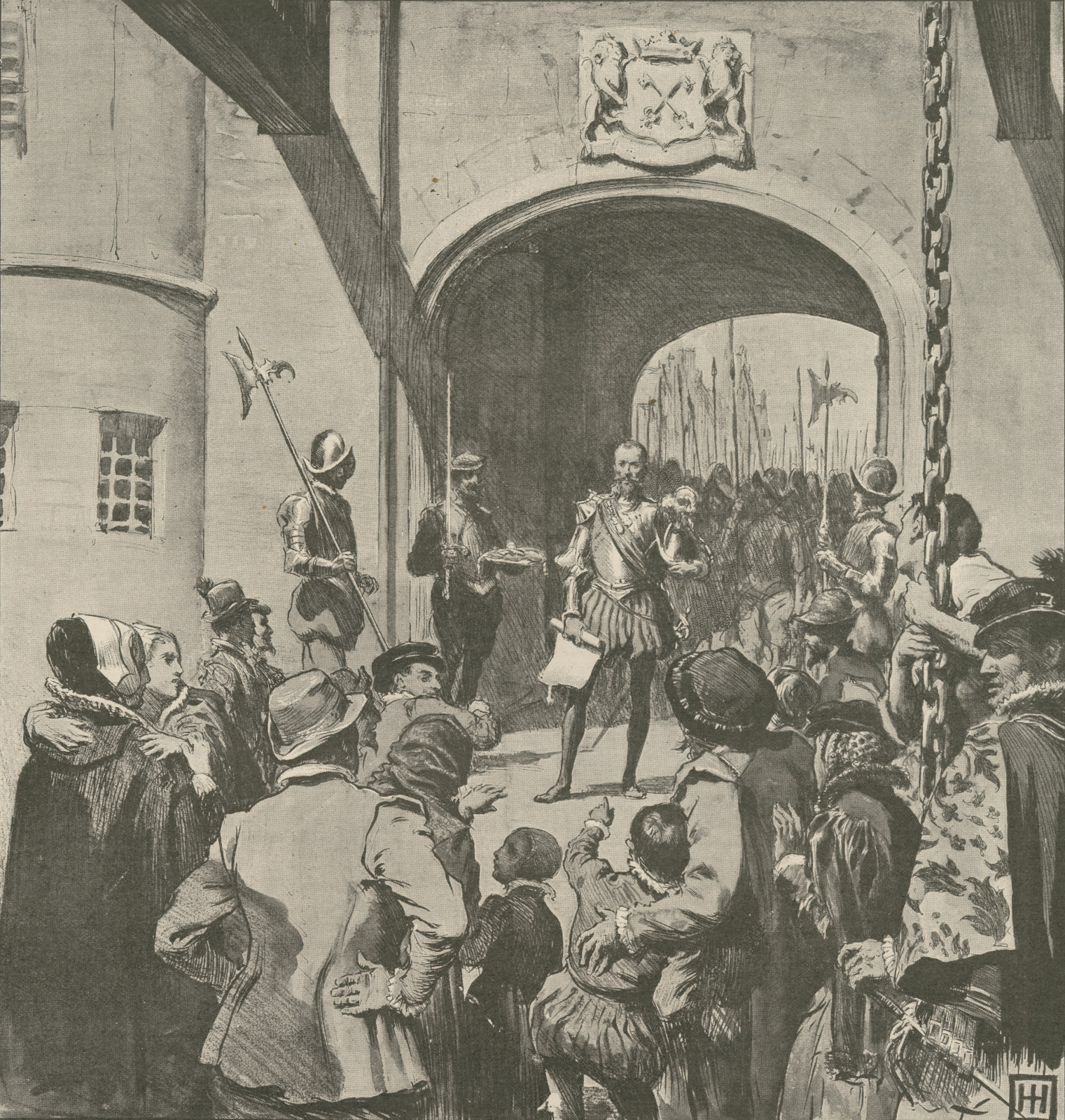
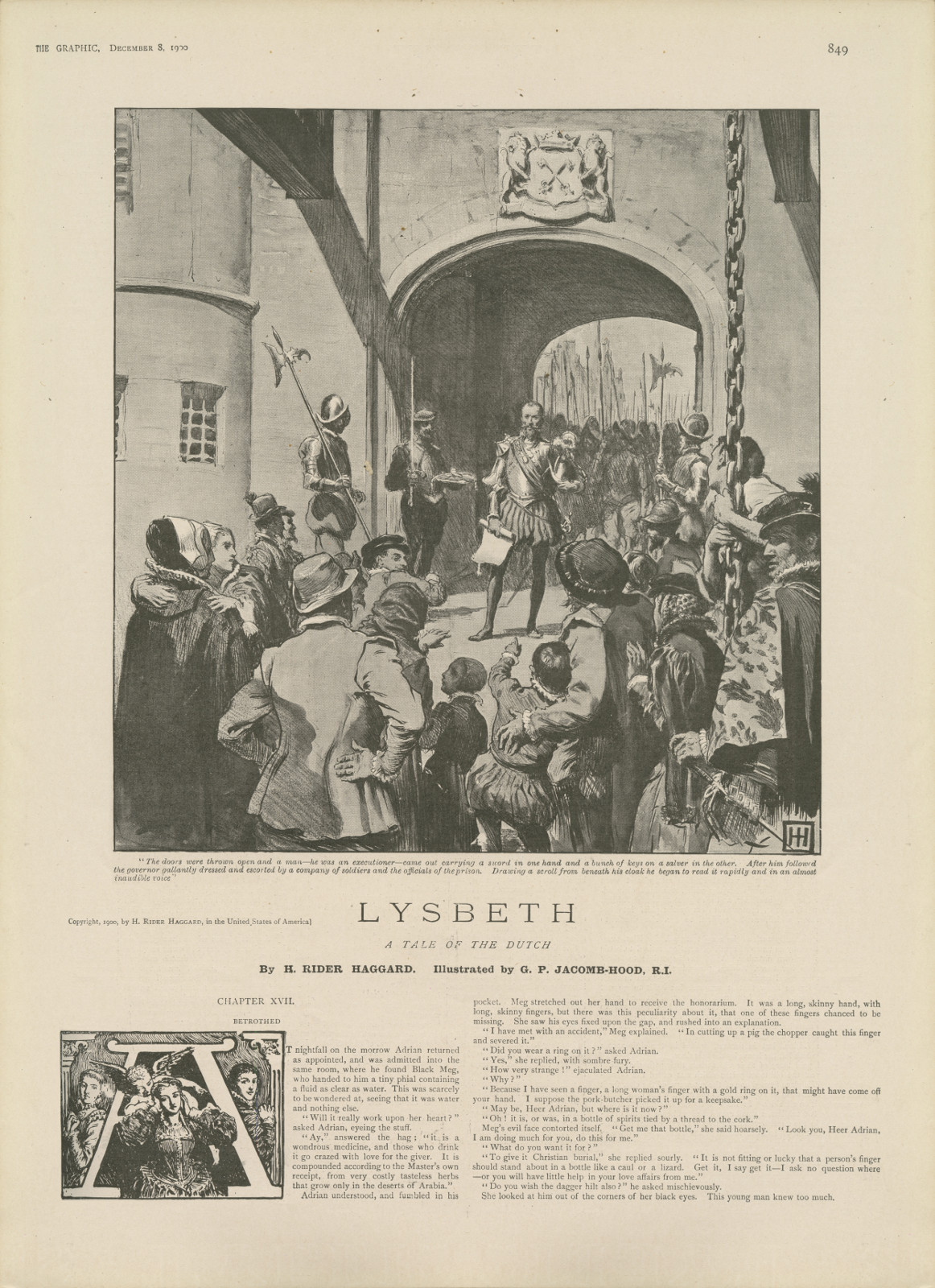
The doors were thrown open and a man—he was an executioner—came out carrying a sword in one hand and a bunch of keys on a salver in the other
Illustration
At

Illustration
Adrian

Illustration
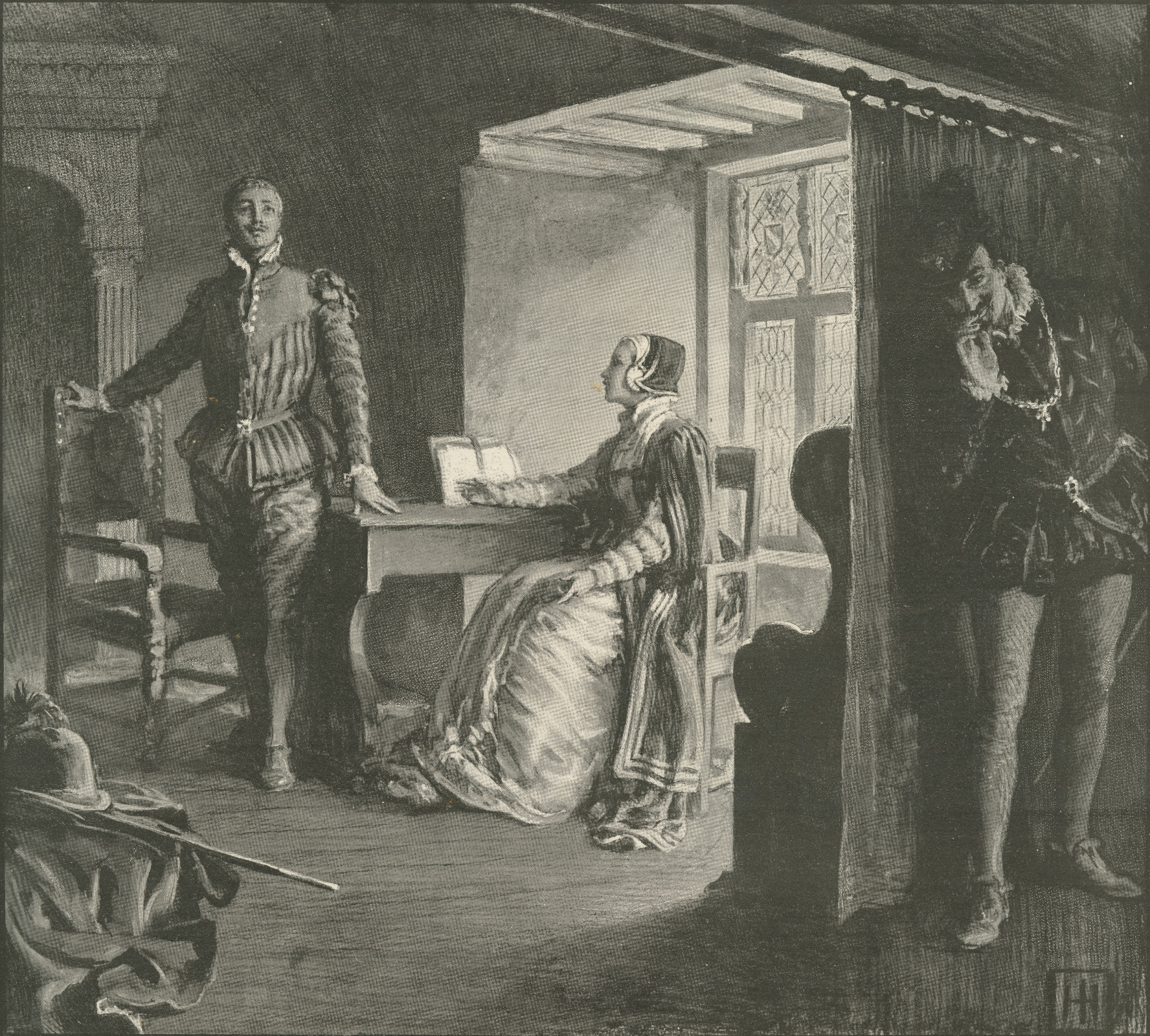
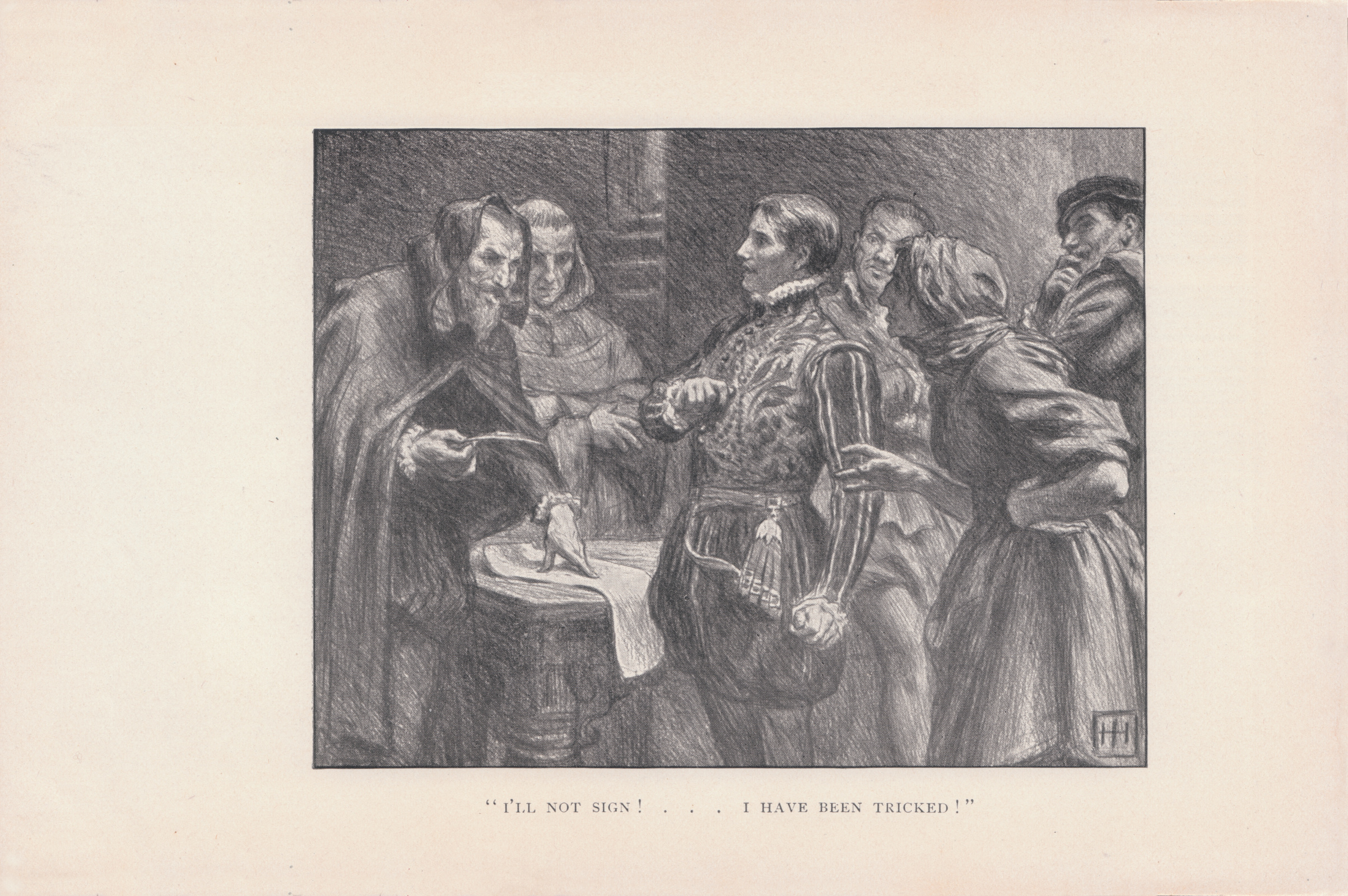
The monk bowed, and producing several folios of manuscript, laid them on the table, together with an ink-horn and a pen. 'Very well. And now, my young friend, be so good as to sign there, at the foot of the writing'

Illustration
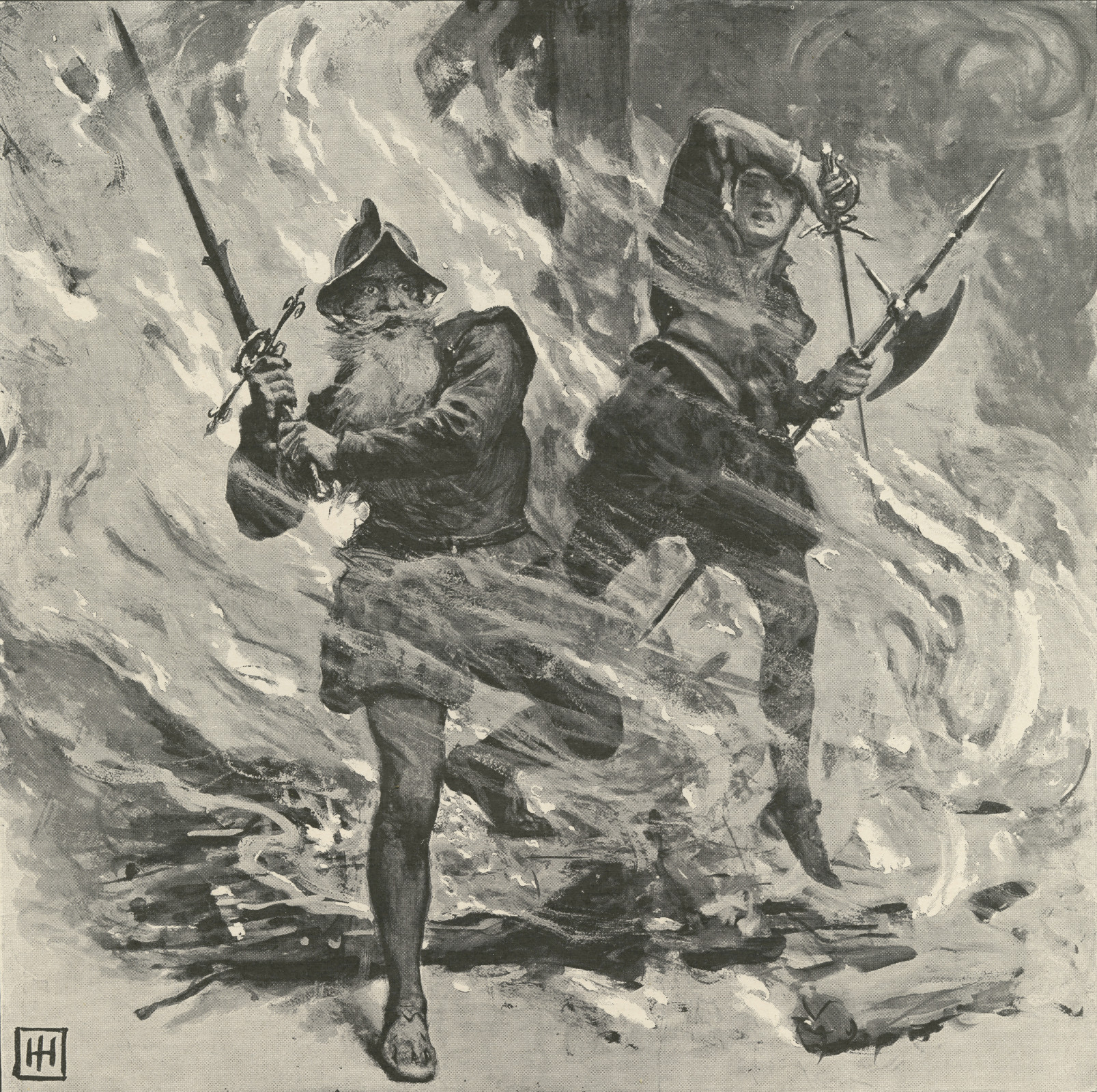
Half a minute later two men bearing naked swords in their hands might be seen bursting through the barrier of flaming wood
Illustration
To
Illustration
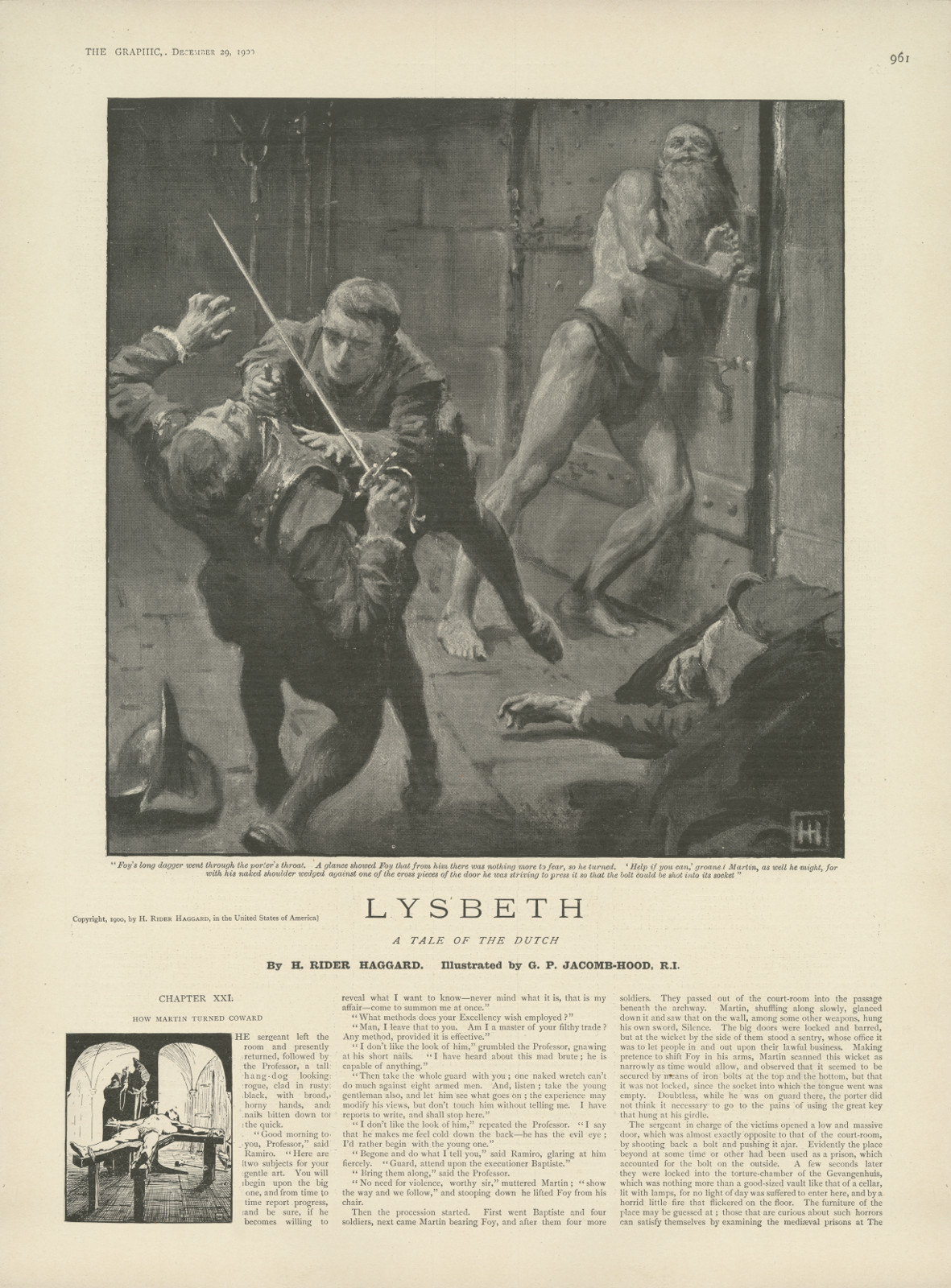
Foy’s long dagger went through the porter’s throat. A glance showed Foy that from him there was nothing more to fear, so he turned. 'Help if you can,' groaned Martin, as well he might
Illustration
The

Illustration
'I cannot, I cannot!'
Illustration
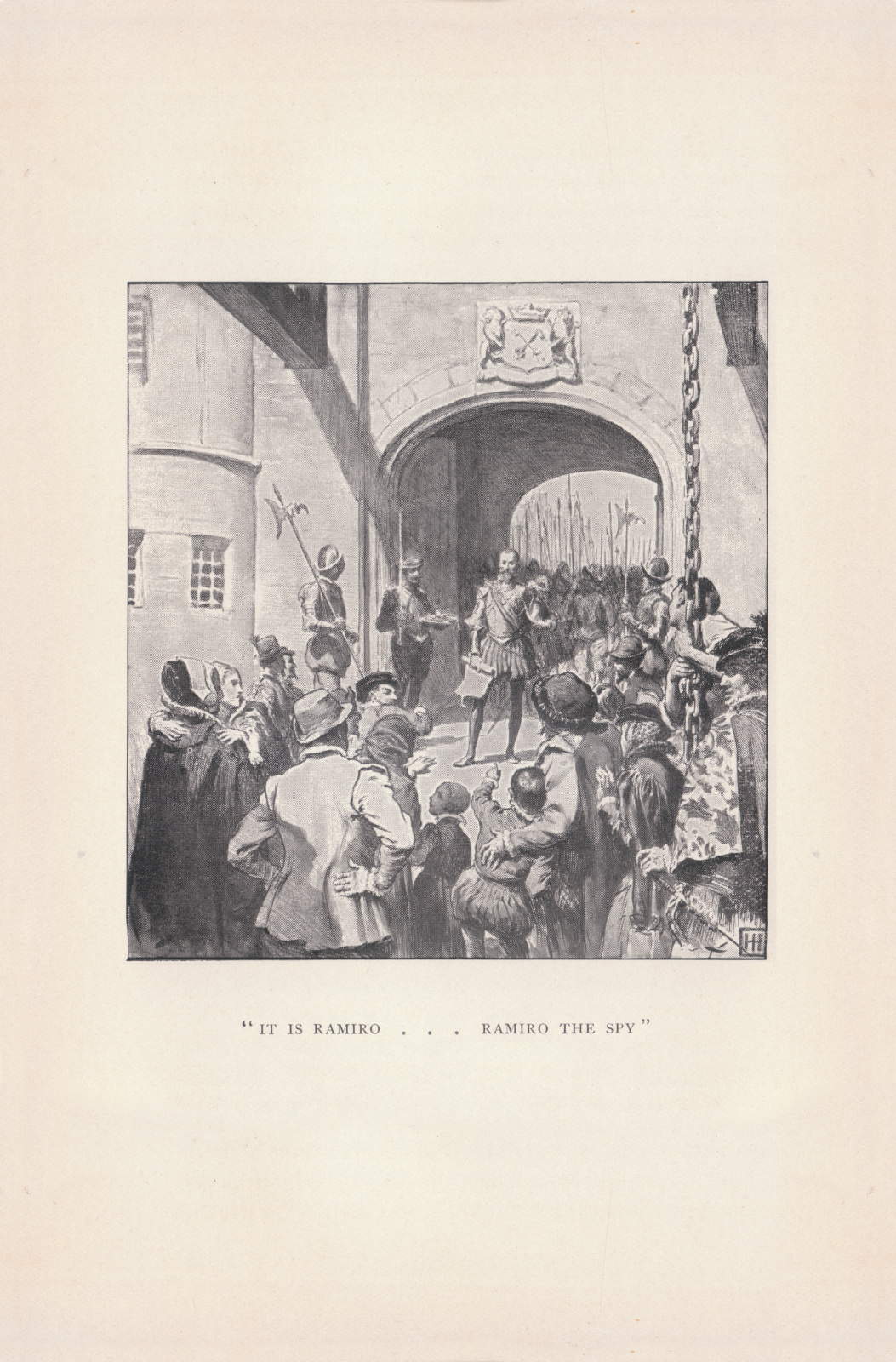
'It is Ramiro...Ramiro the spy.'

Illustration
'I am not willing,' cried Elsa.
Illustration
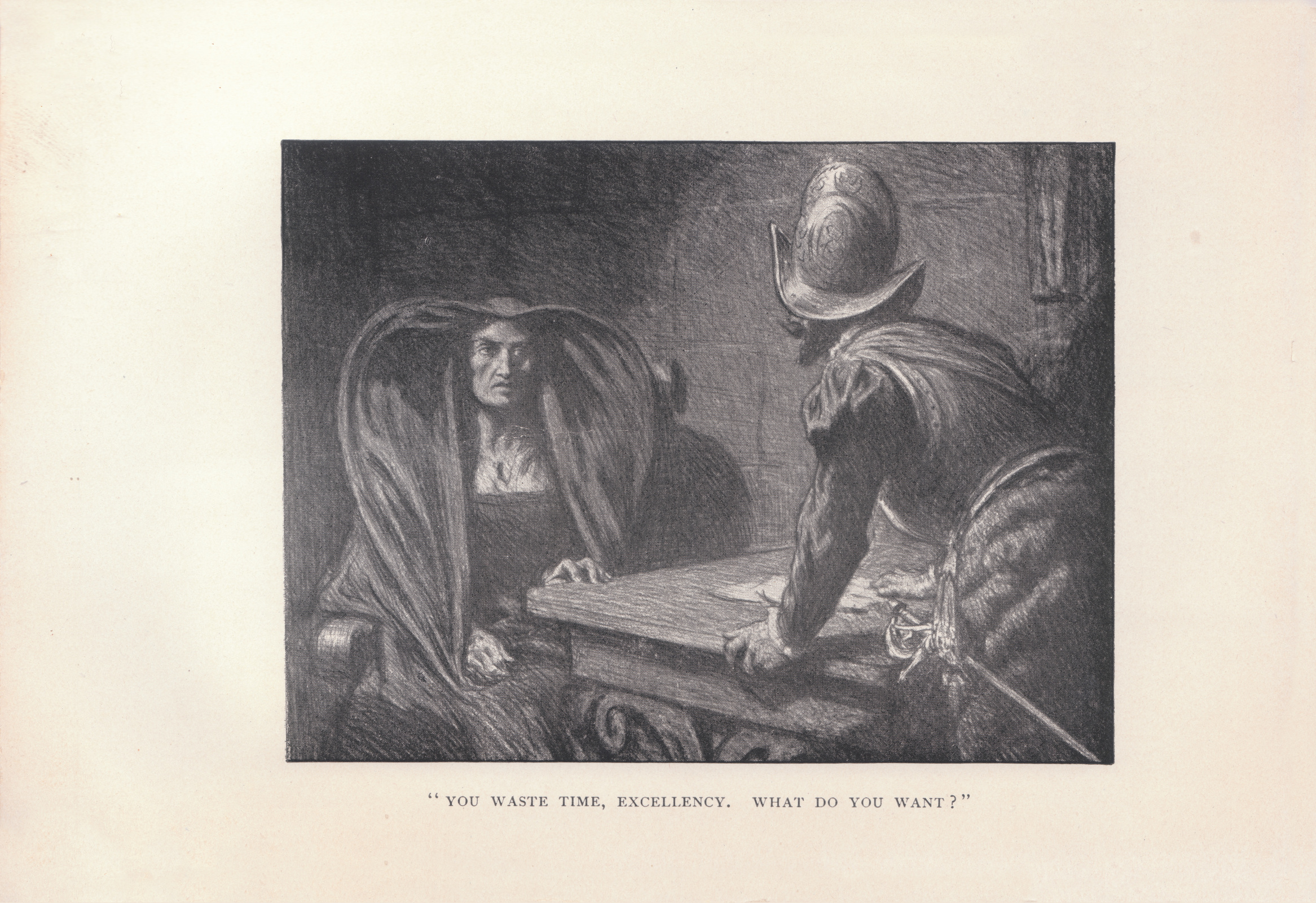
'You waste time, excellency. What do you want?'

Illustration
Thus... it was that Adrian first saw... Elsa Brant.
Illustration
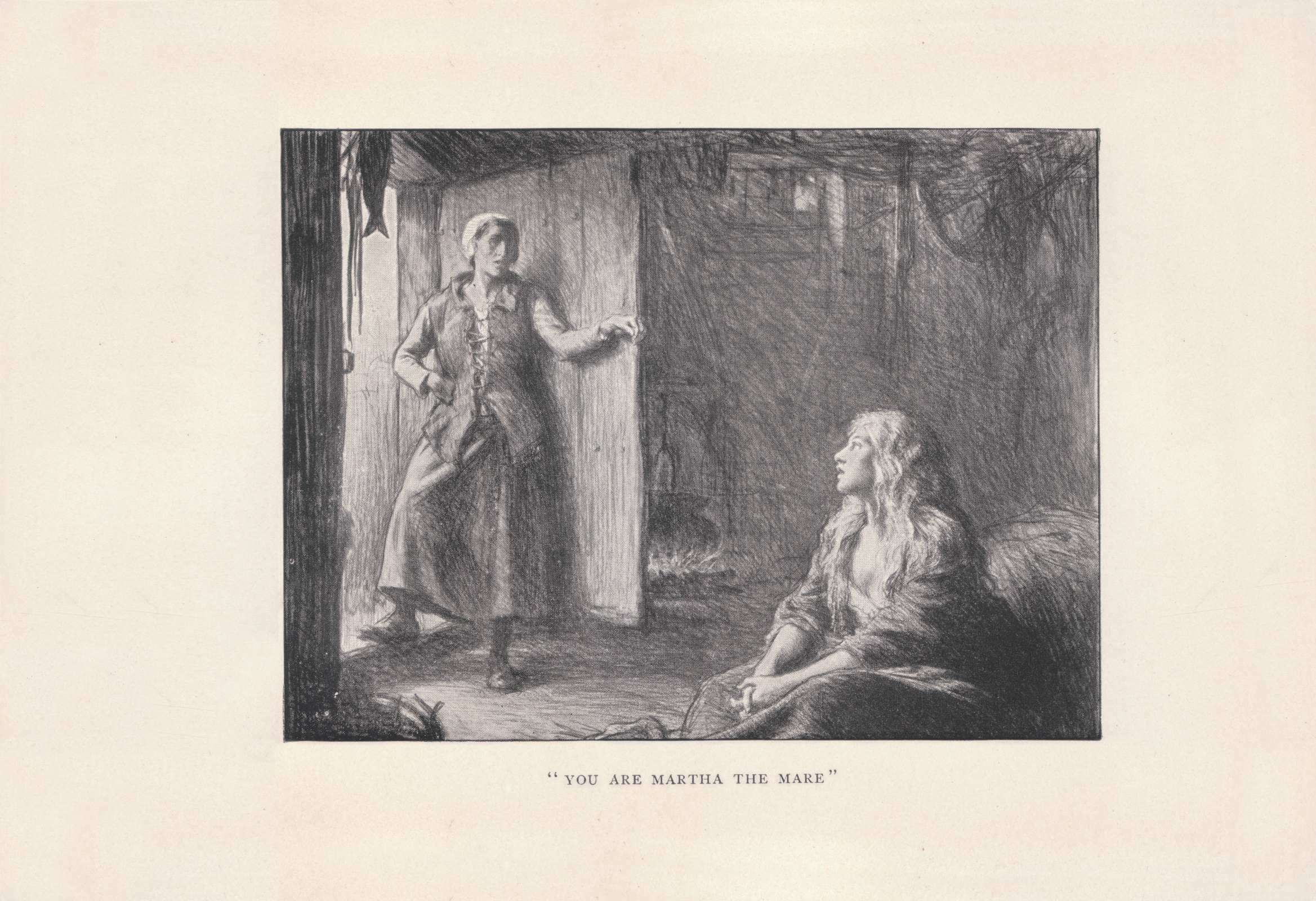
'You are Martha the mare.'

Illustration
Two men... bursting through the barrier of flaming wood.
Illustration
'It is—it is—Love!'
Illustration
'I'll not sign!... I have been tricked!'
Illustration
Foy turned to look at Hendrik Brant.
Illustration
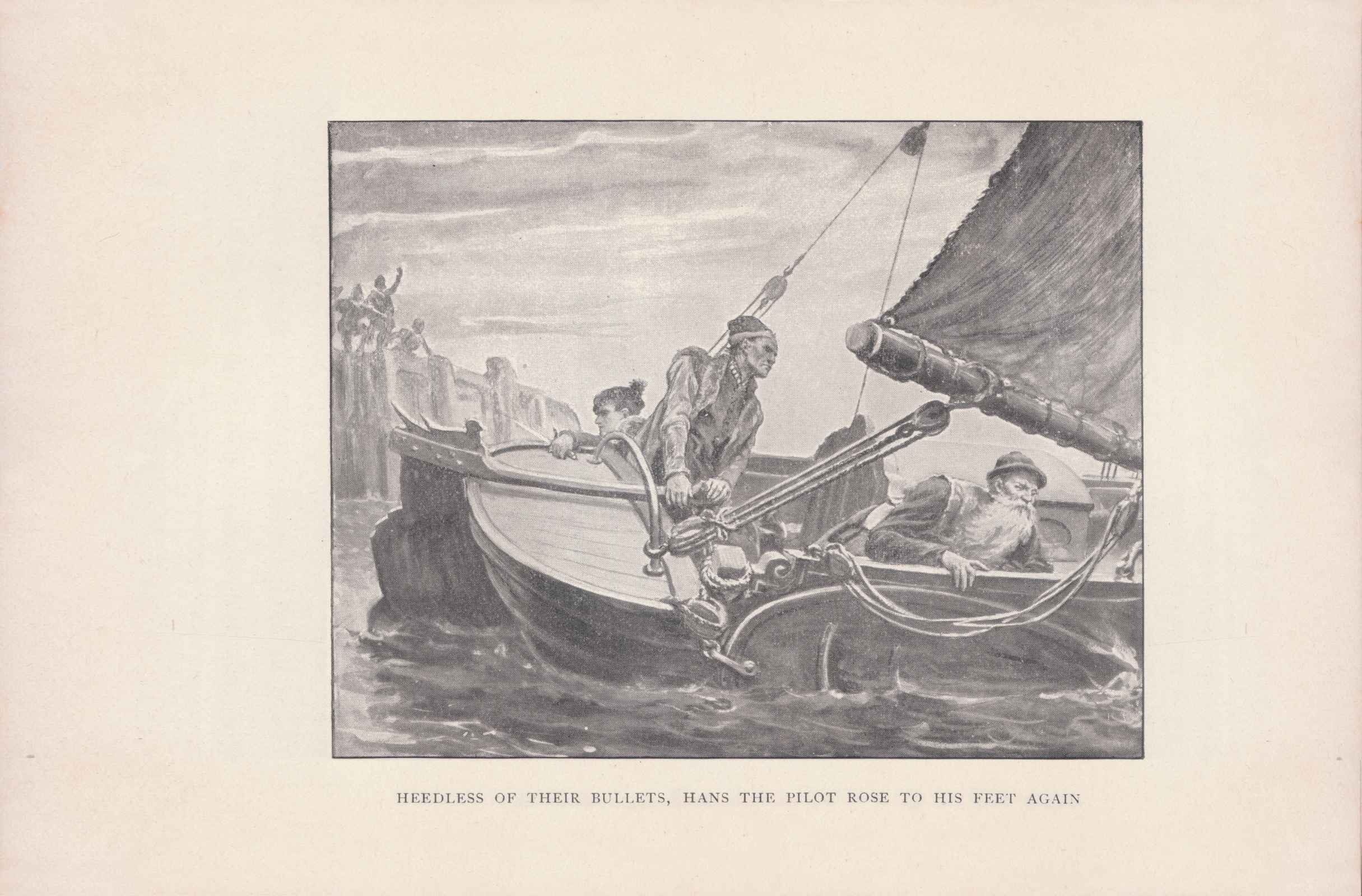
Heedless of their bullets, Hans the pilot rose to his feet again.
Illustration
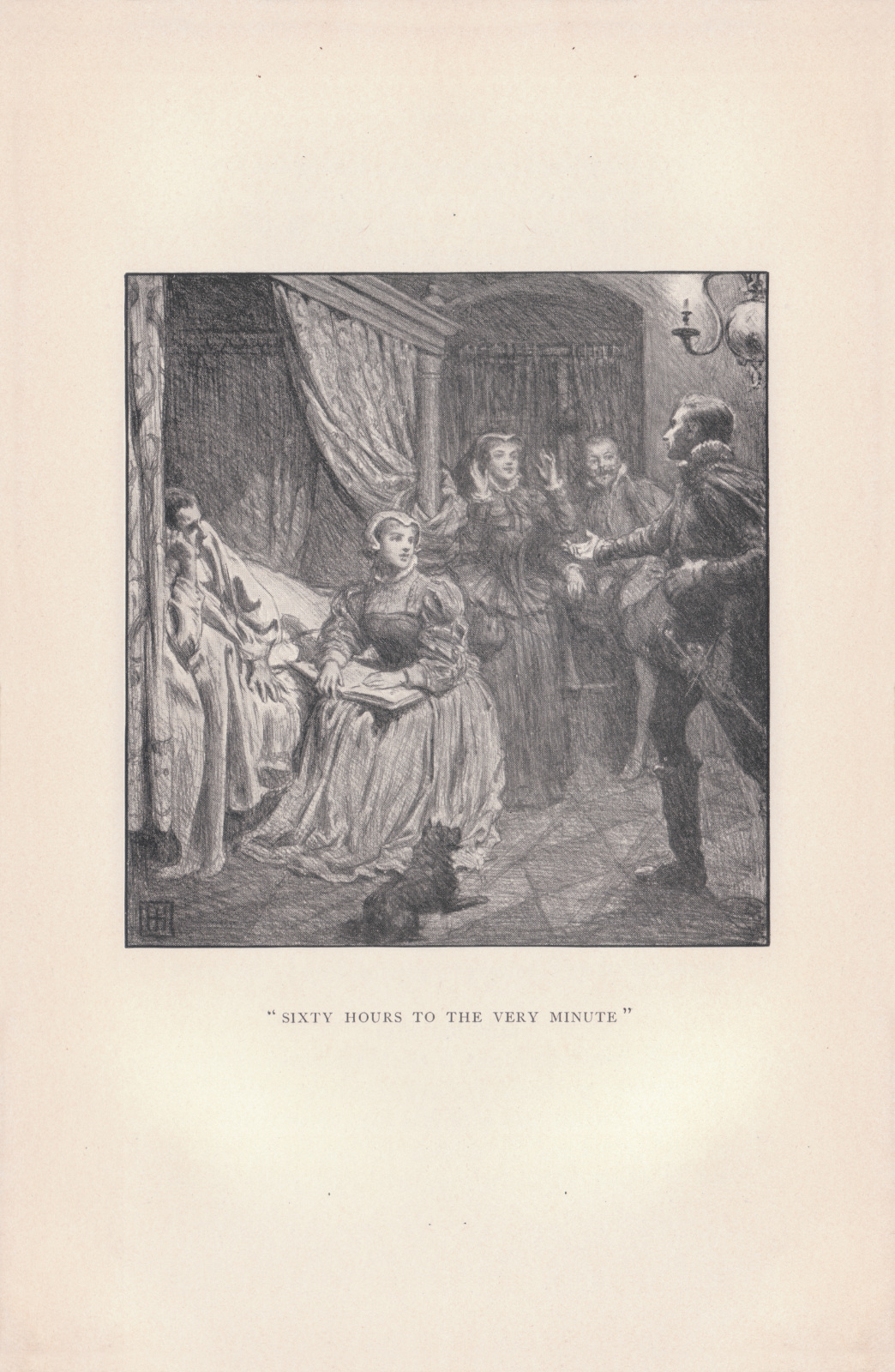
'Sixty hours to the very minute.'
Illustration
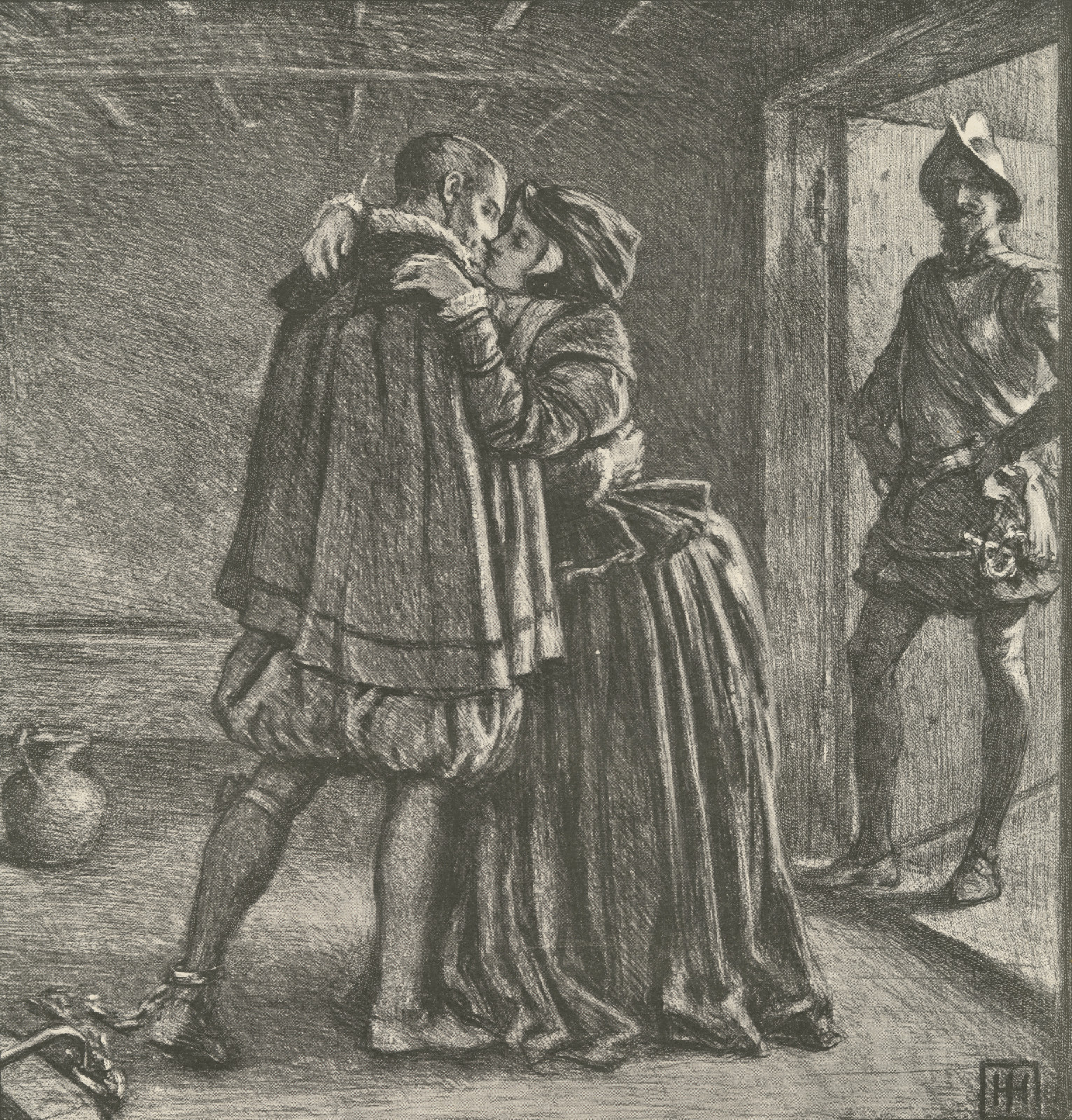
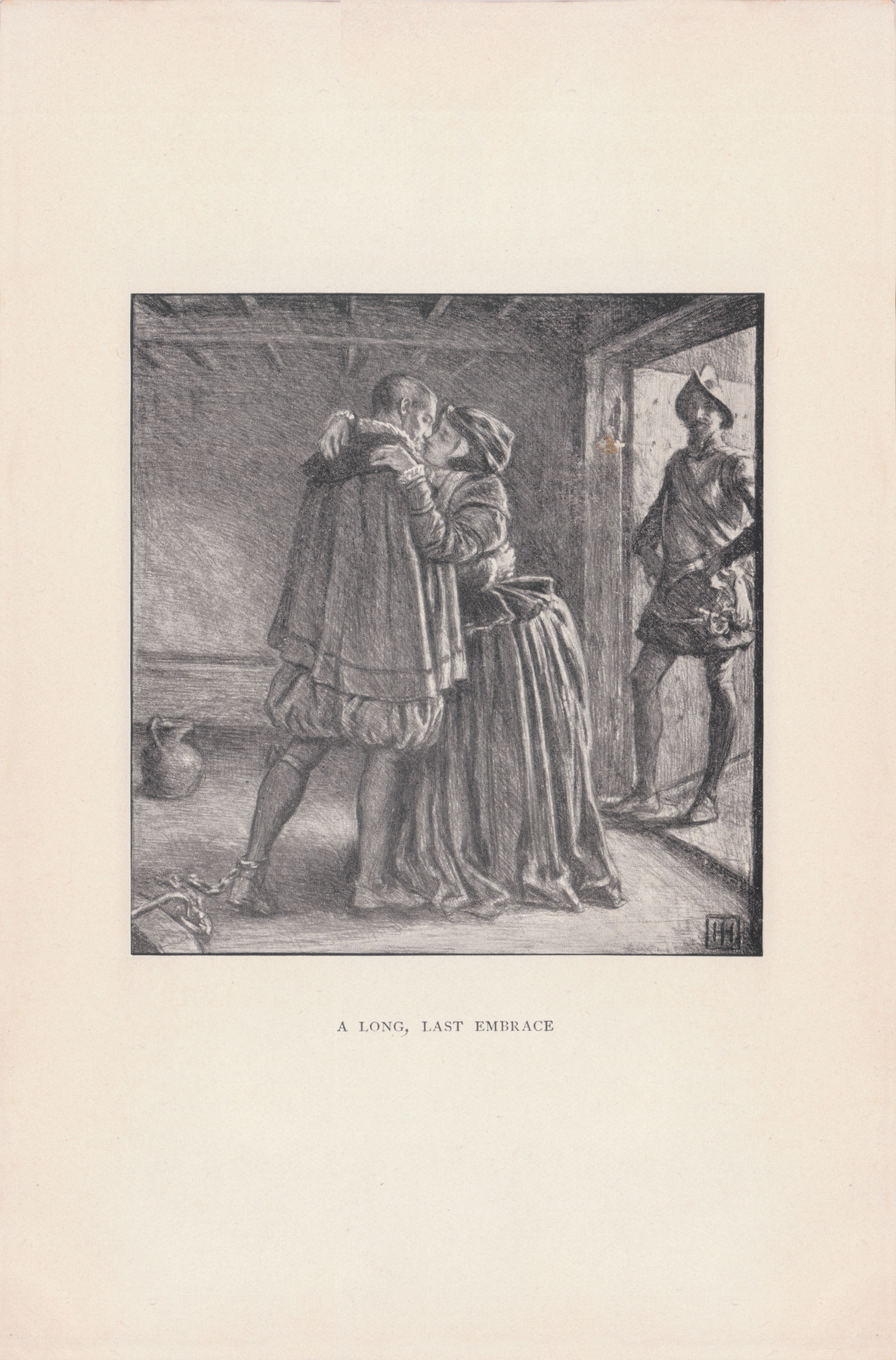
A long, last embrace.
Illustration
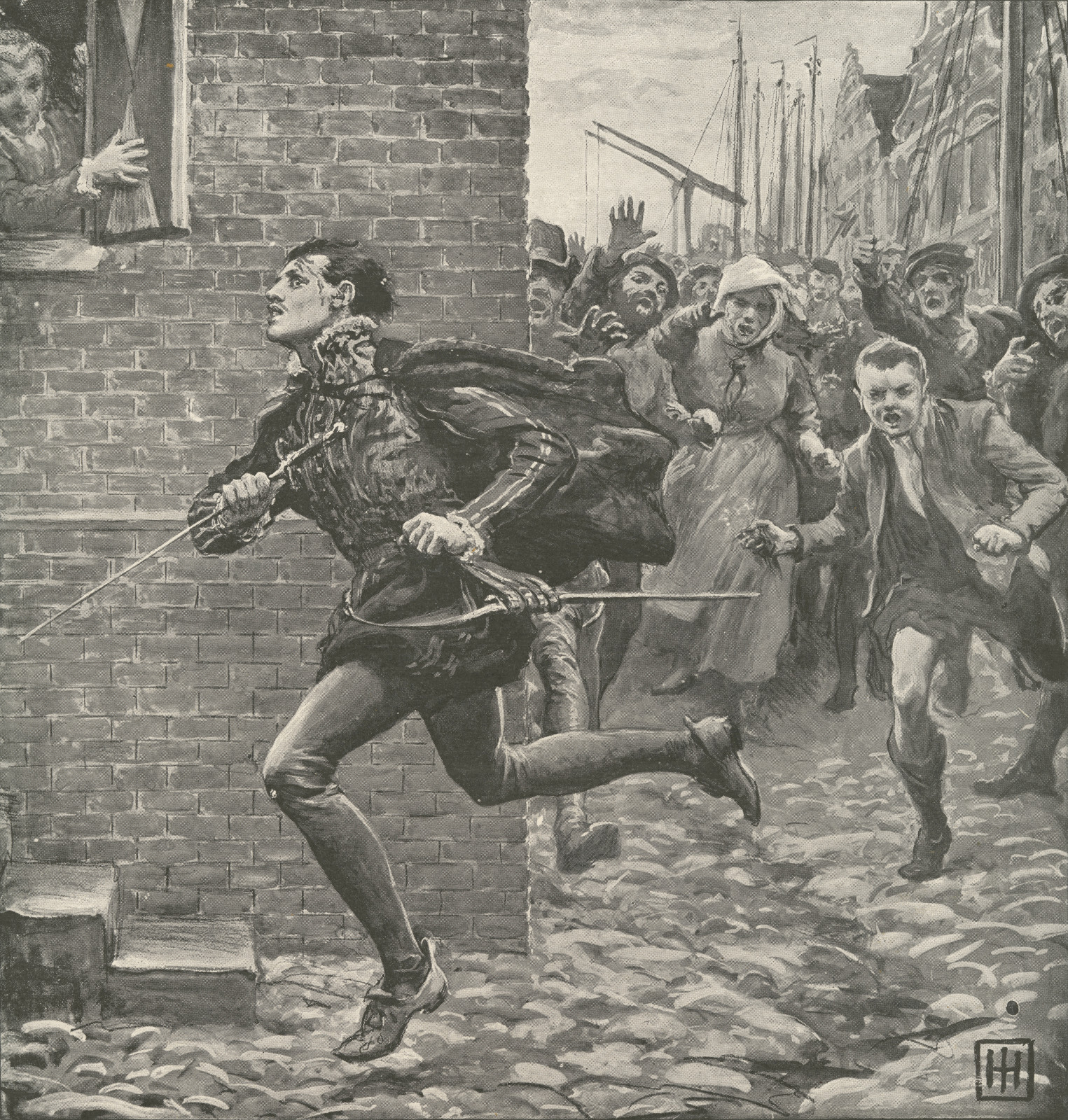
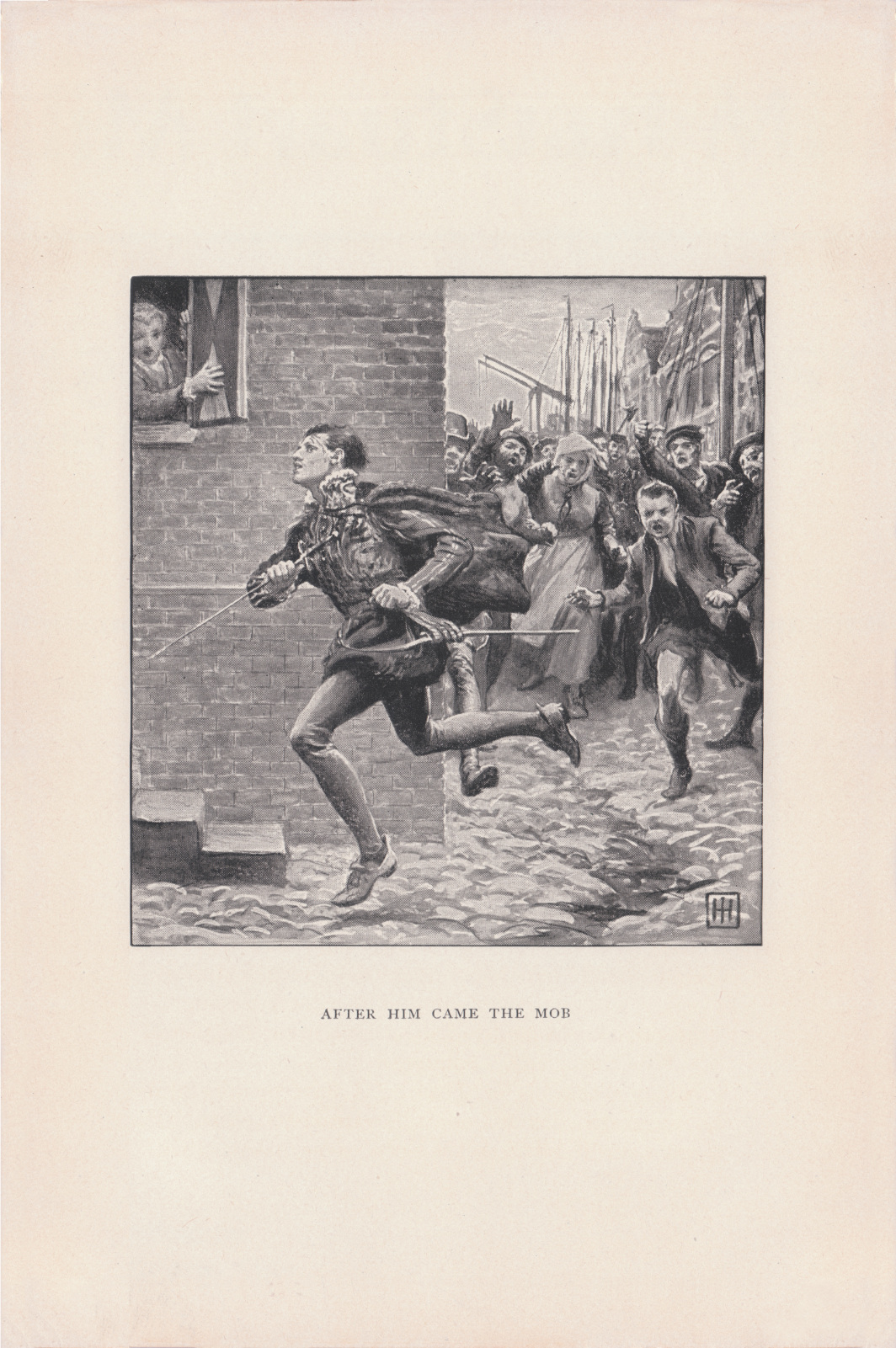
After him came the mob

Illustration
Ah! look at him now.
Illustration
Behold!... the pair of them had gone headlong into the canal.

Illustration
The white and terrified face of—Elsa Brant.
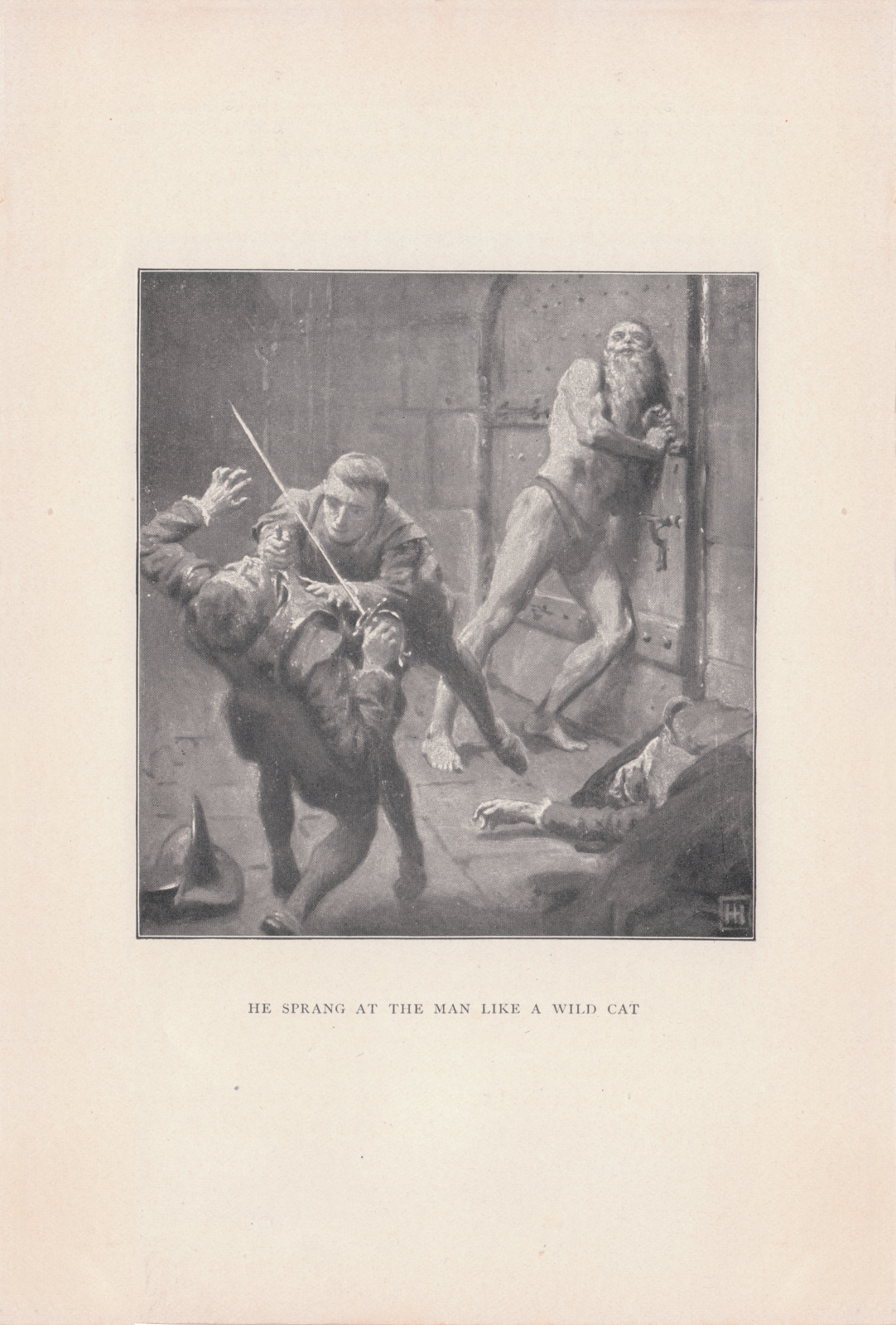
Illustration
He sprang at the man like a wild cat.

Illustration
That very night Foy came.
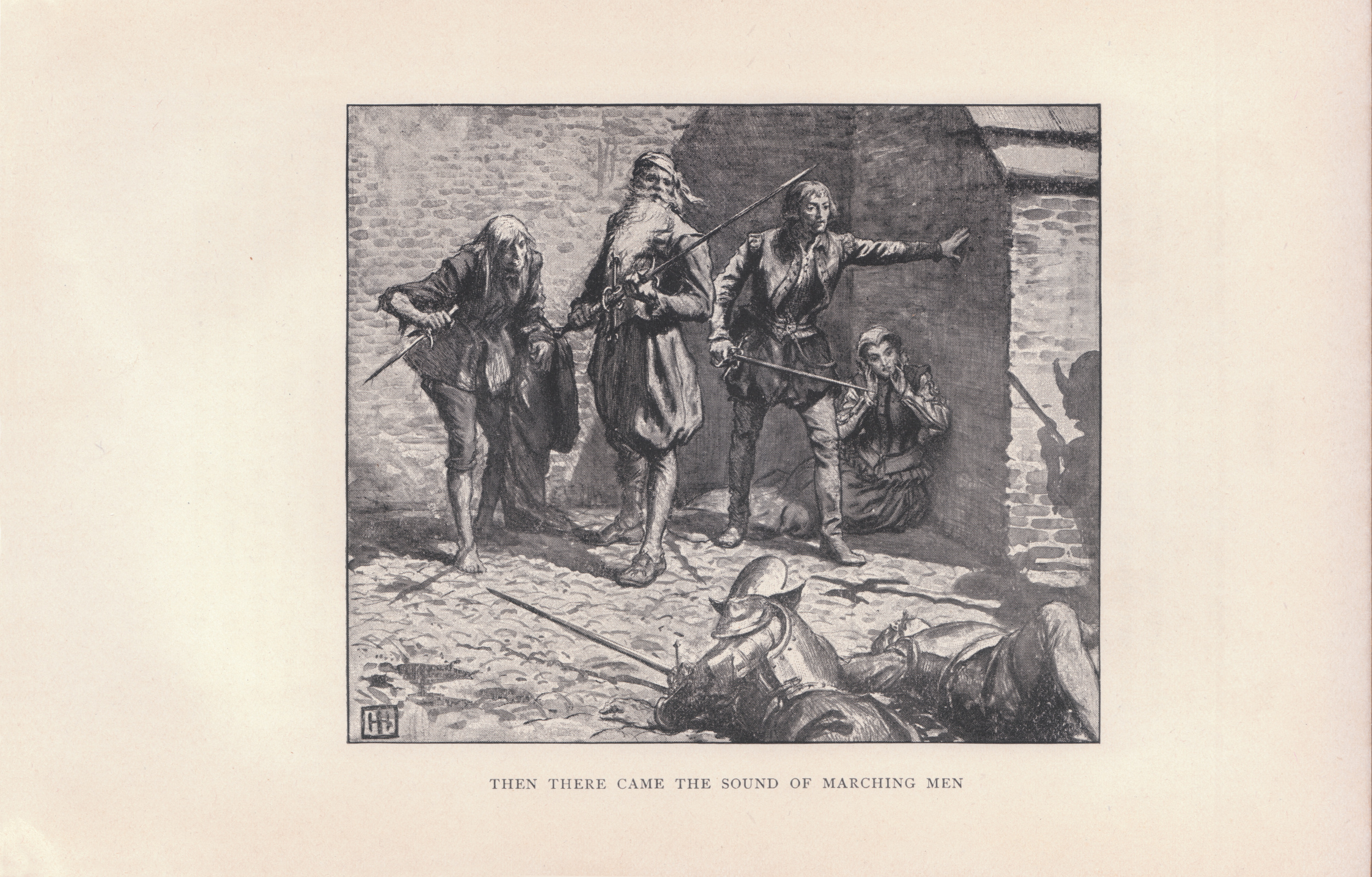
Illustration
Then there came the sound of marching men.
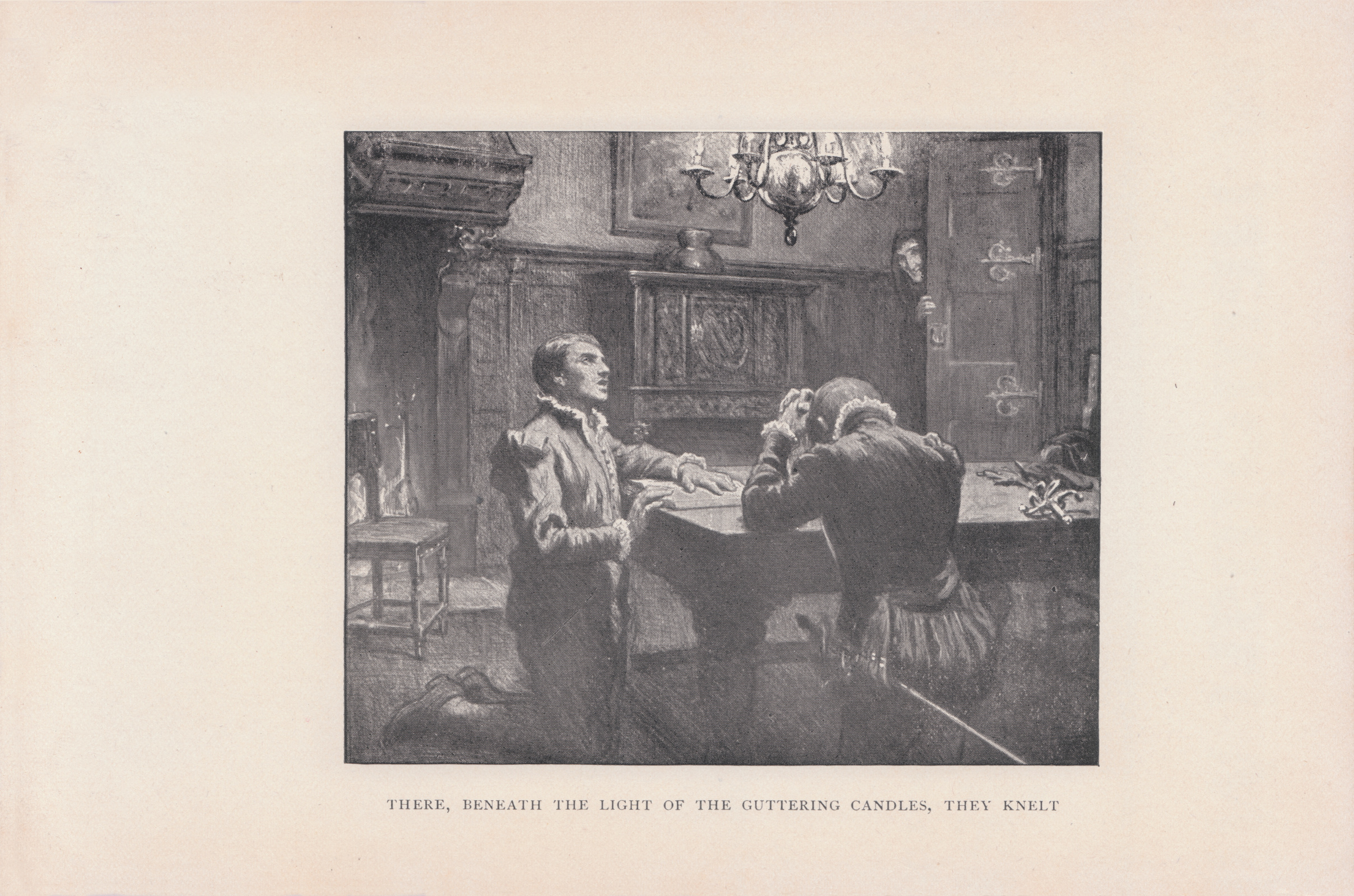
Illustration
There, beneath the light of the guttering candles, they knelt.
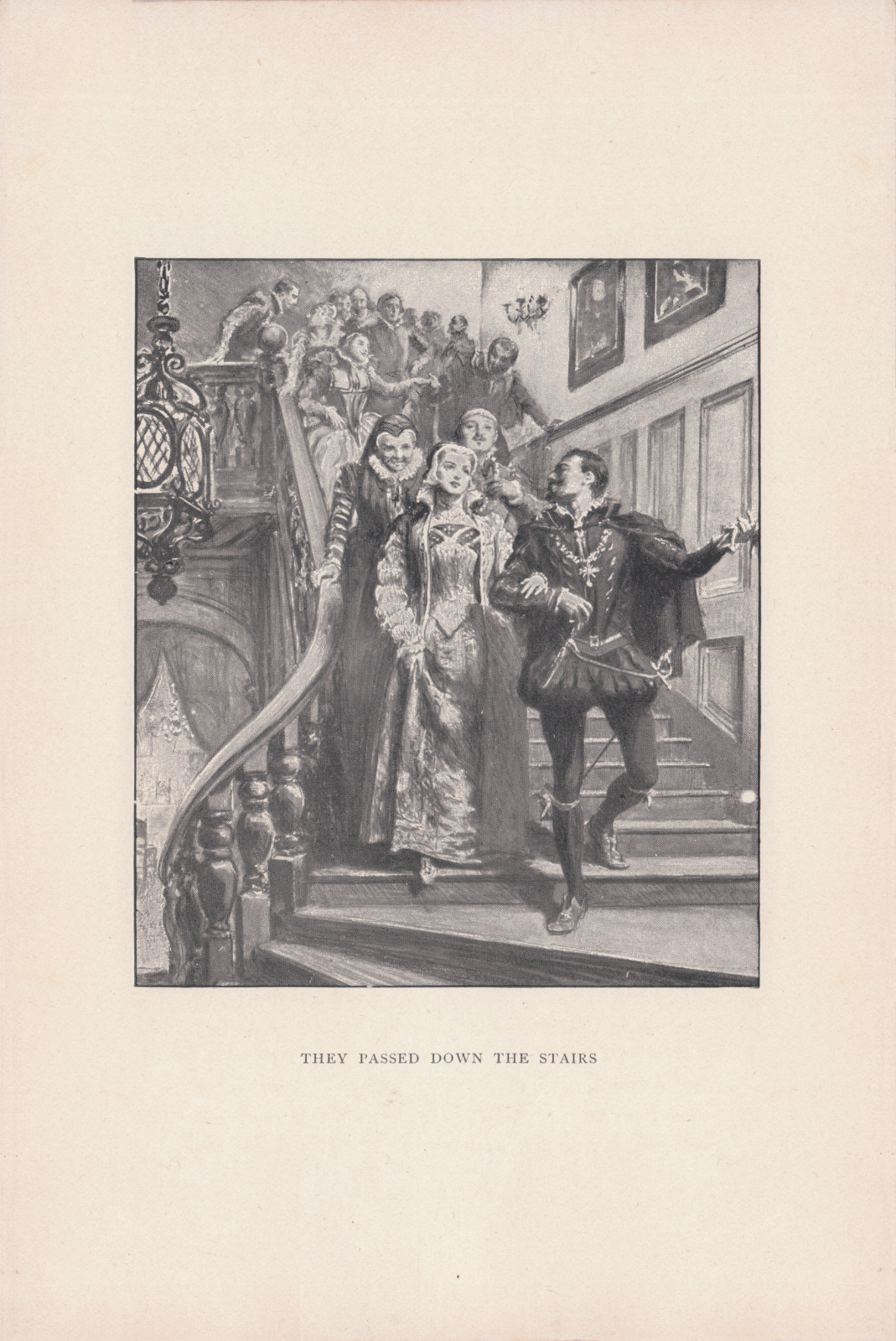
Illustration
They passed down the stairs.
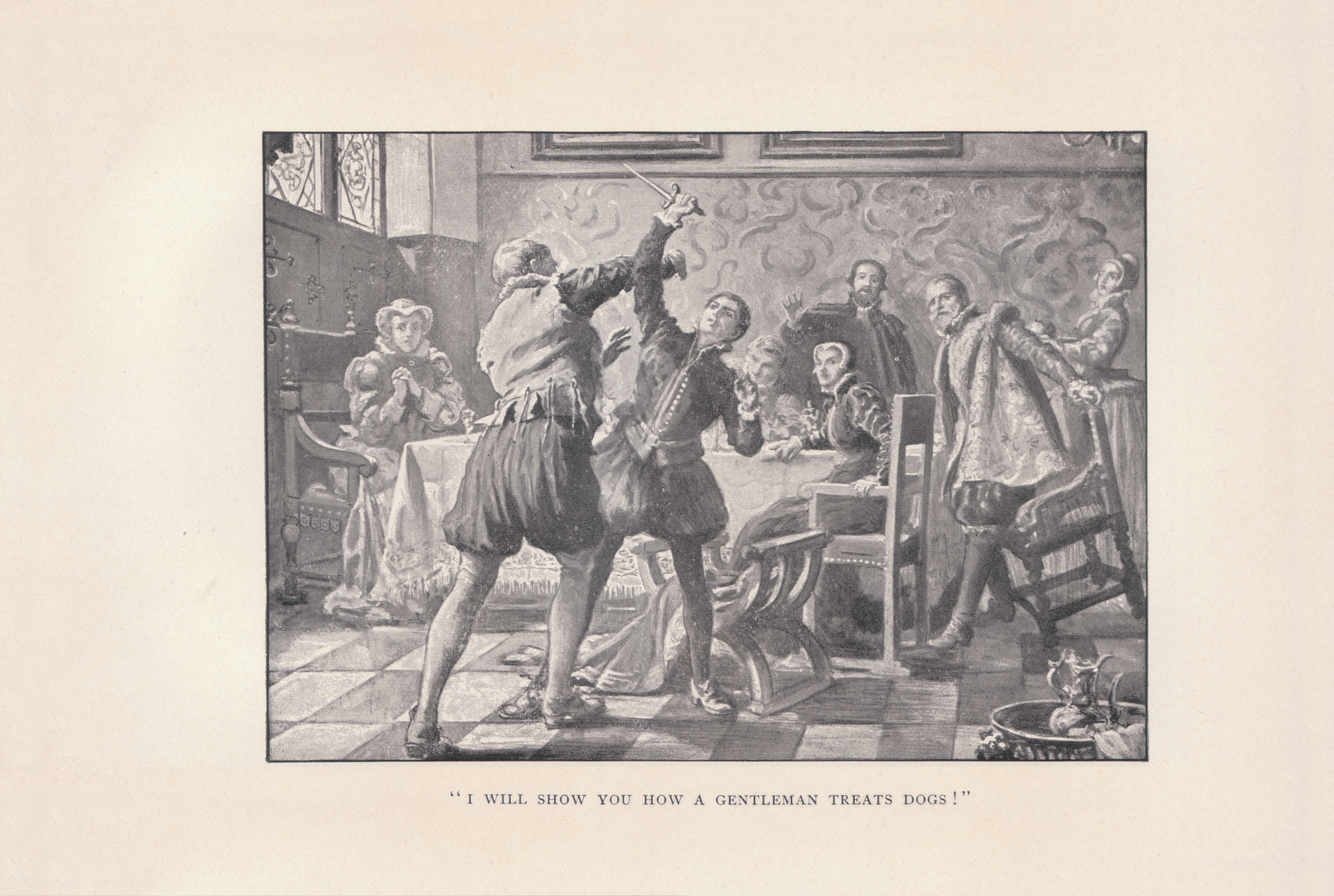
Illustration
'I will show you how a gentleman treats dogs!'
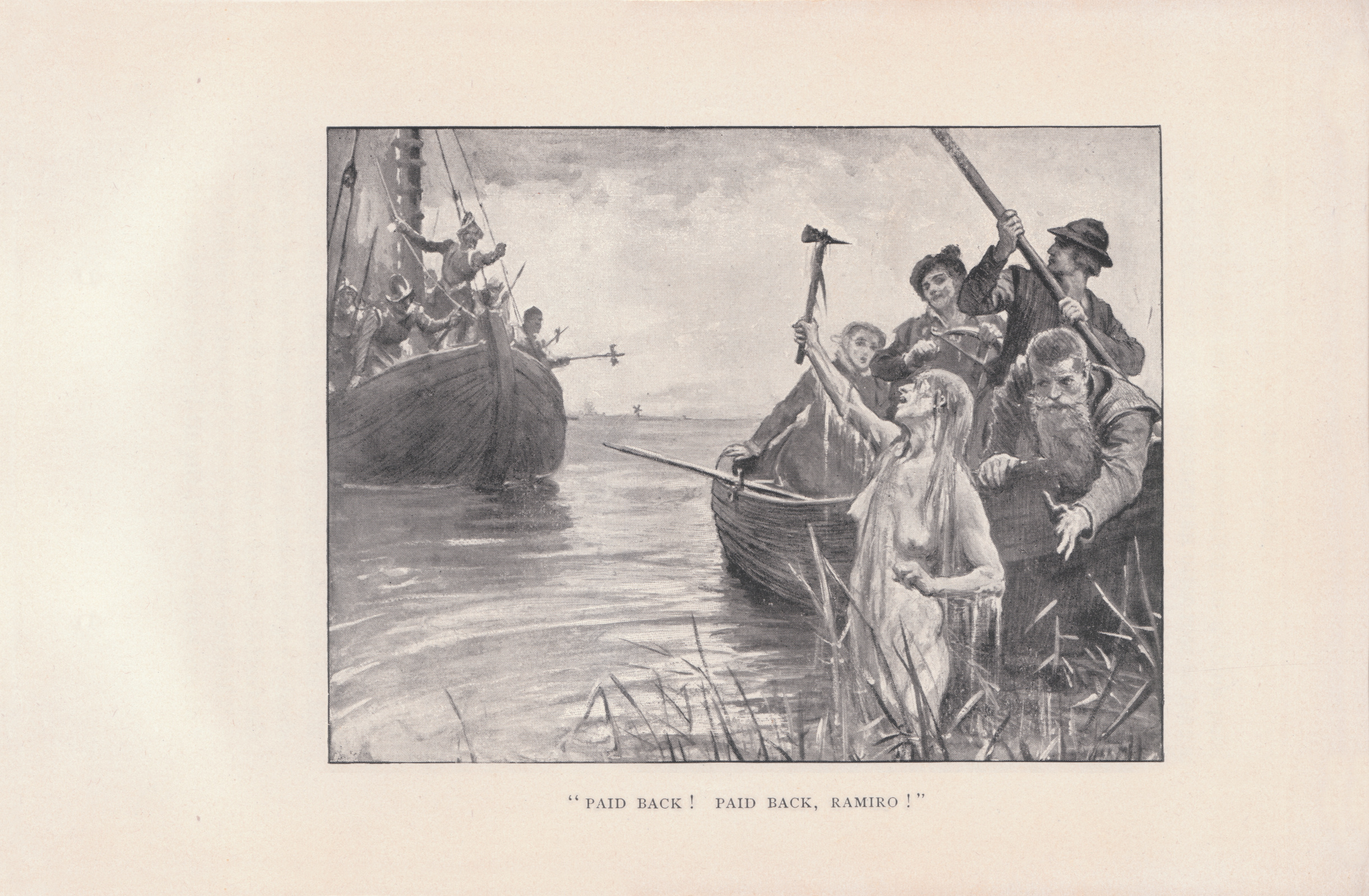
Illustration
'Paid back! Paid back, Ramiro!'

Illustration
Then she remembered everything.
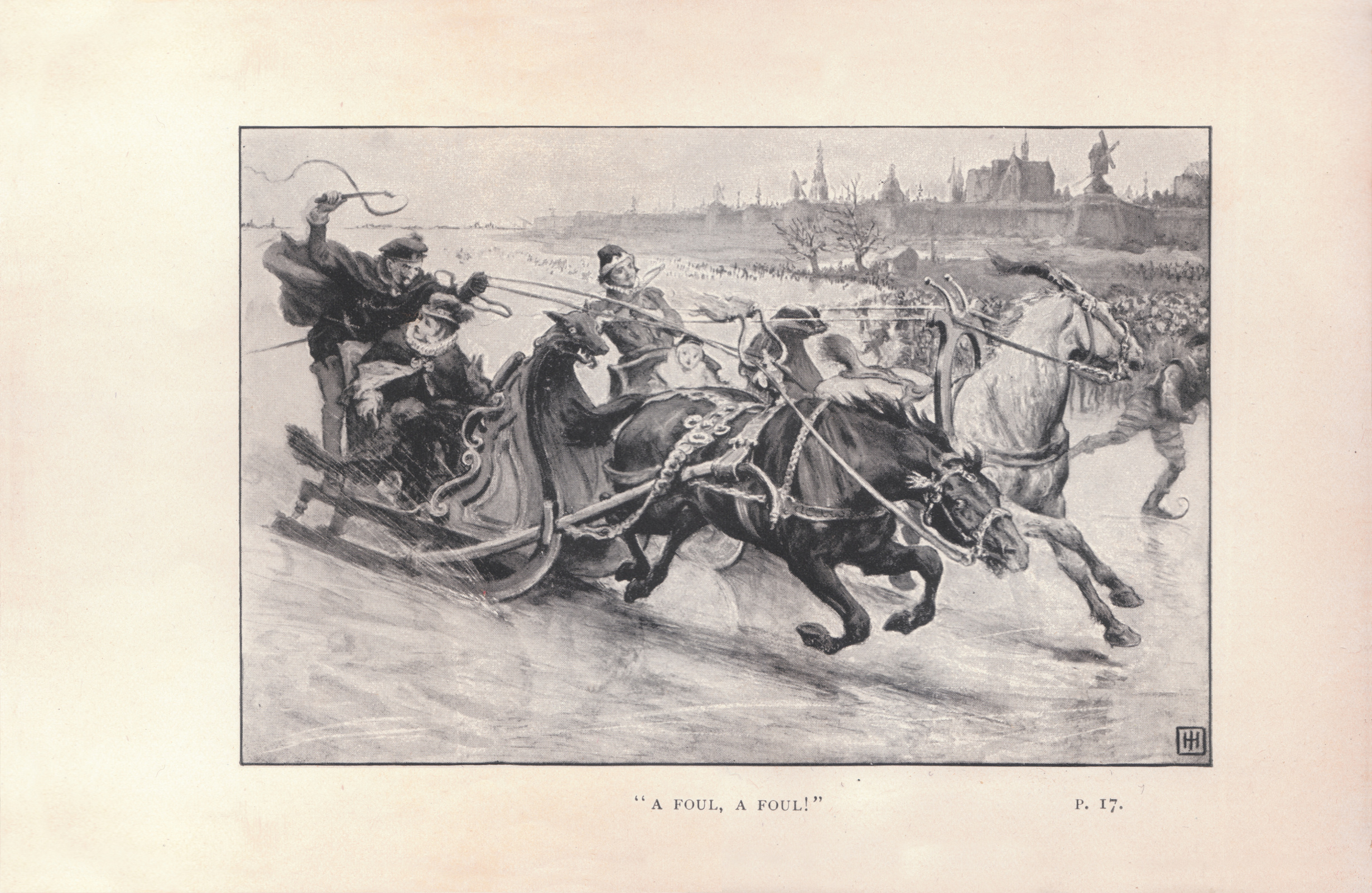
Illustration
A foul, a foul!
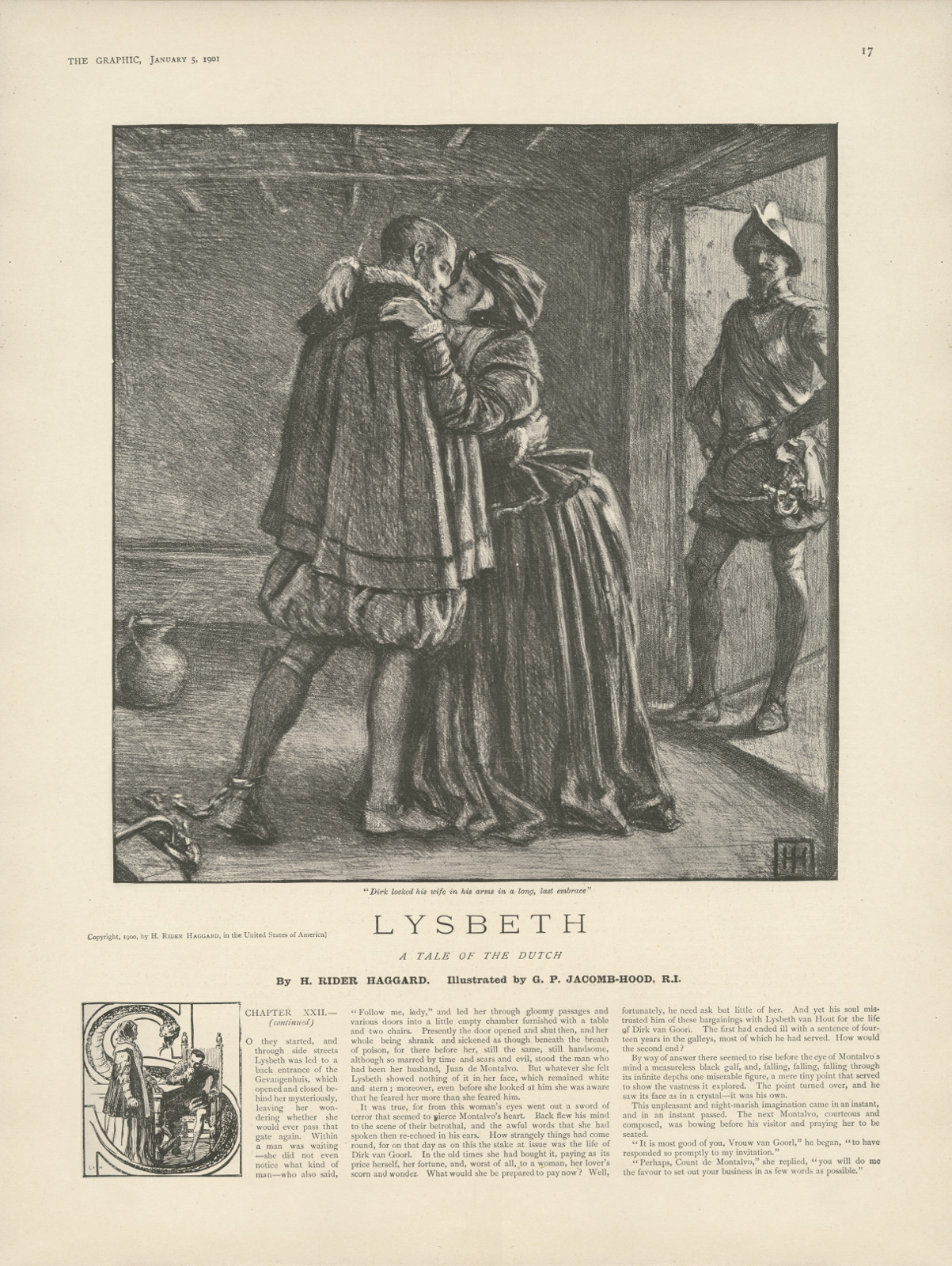
Illustration
Dirk locked his wife in his arms in a long, last embrace
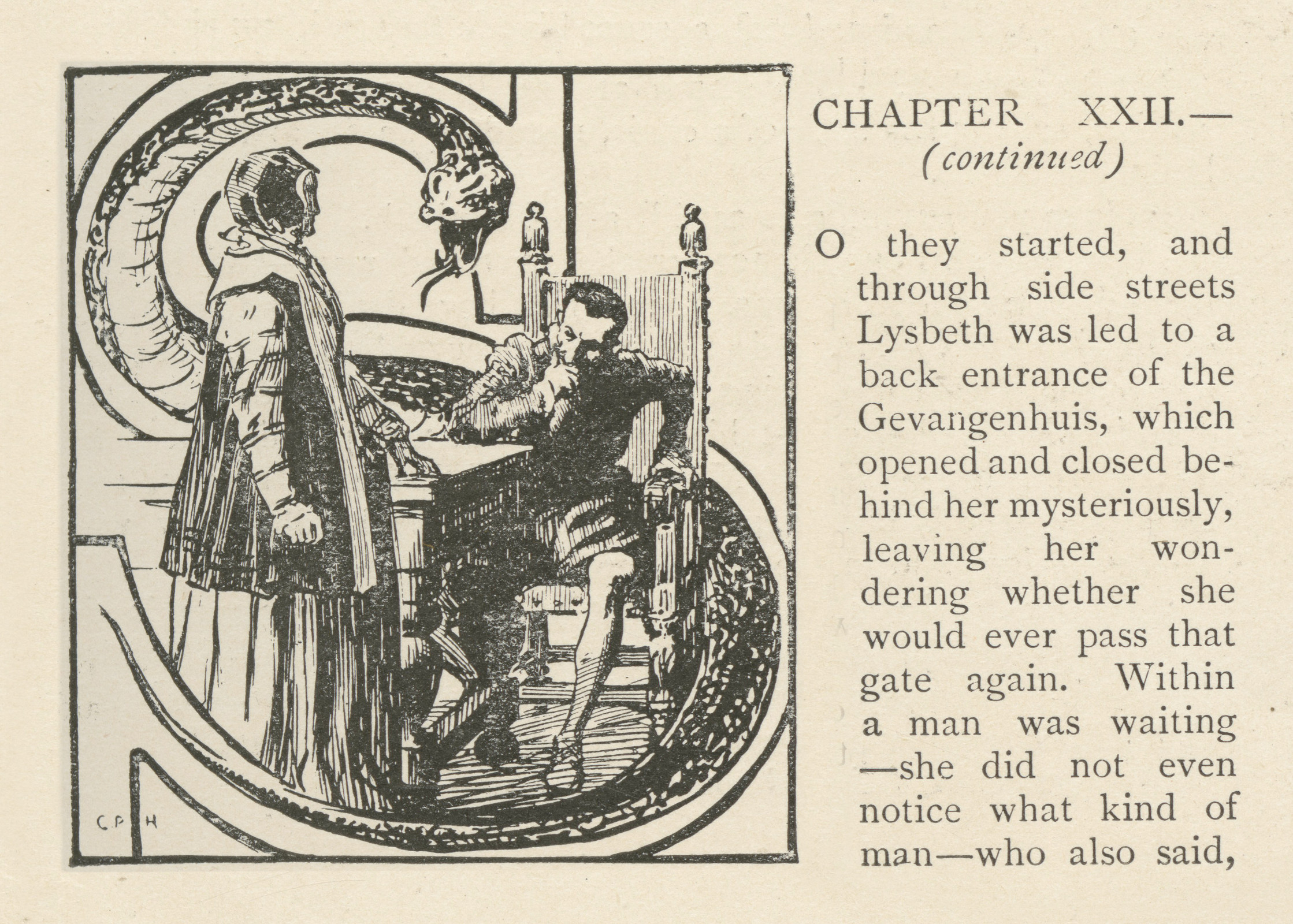
Illustration
So
Illustration
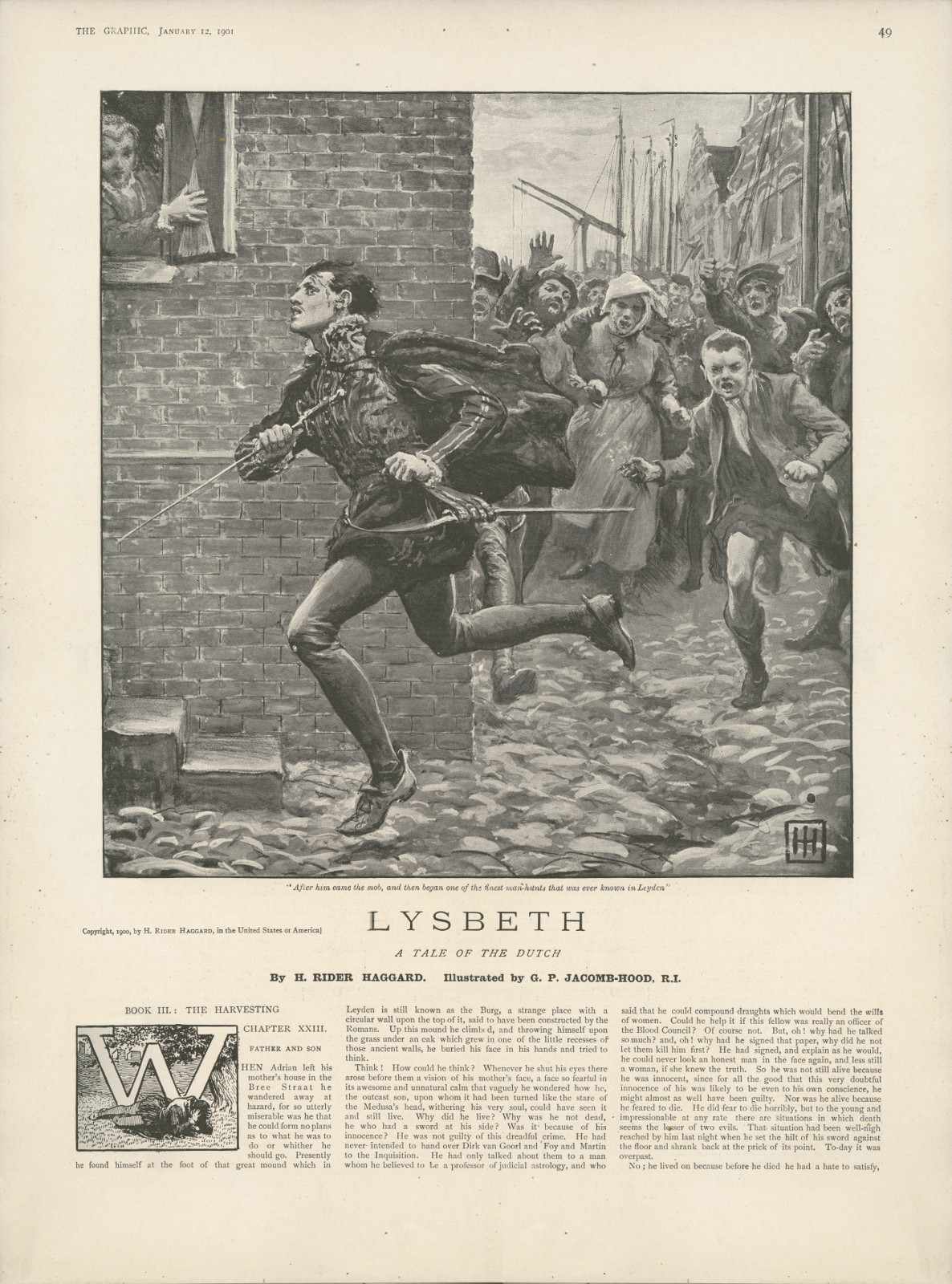
After him came the mob, and then began one of the finest man-hunts that was ever known in Leyden

Illustration
When

Illustration
When
Illustration
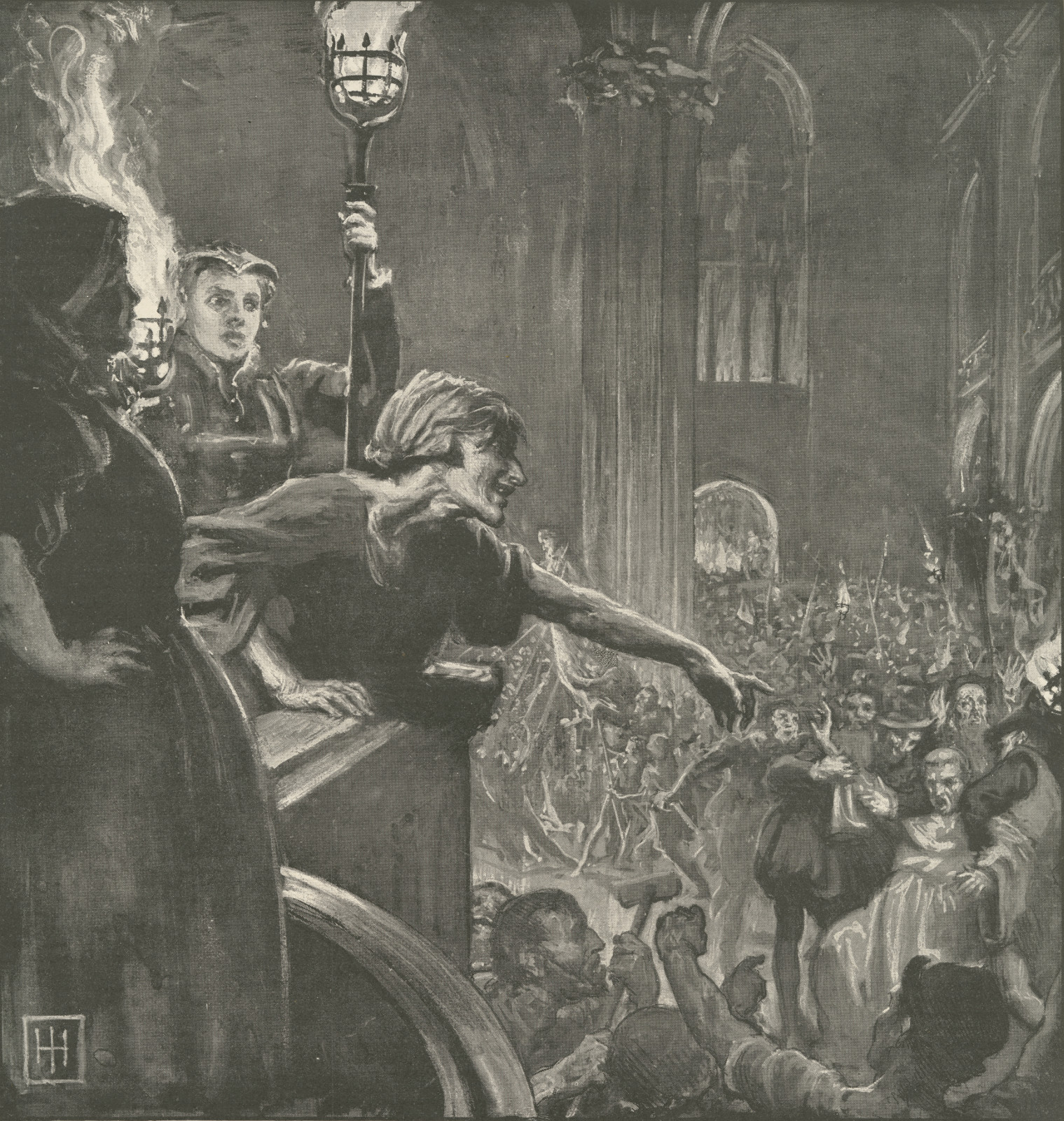
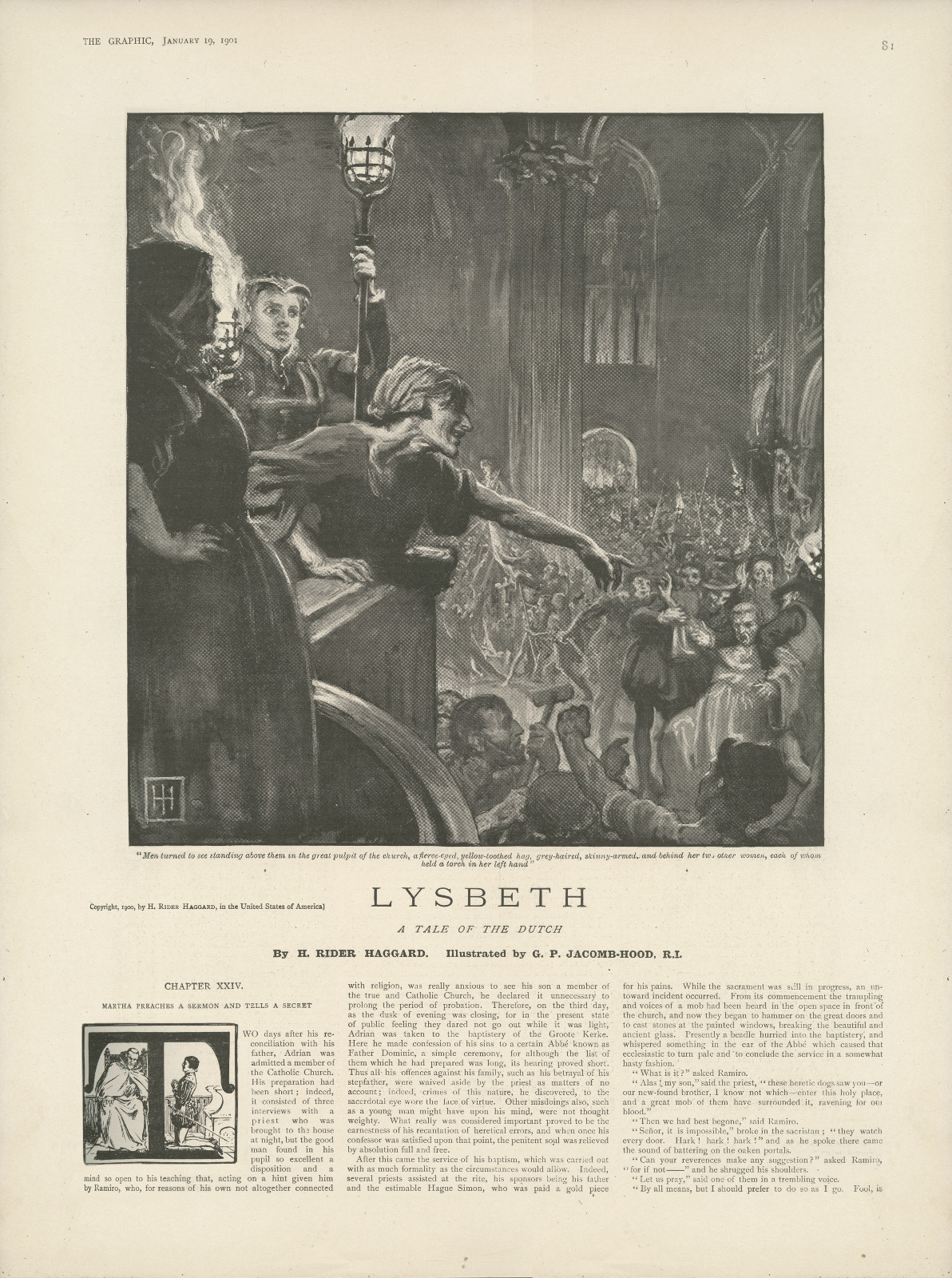
Men turned to see standing above them in the great pulpit of the church, a fierce-eyed, yellow-toothed hag, grey-haired, skinny-armed, and behind her two other women, each of whom held a torch in her left hand
Illustration
Two
Illustration
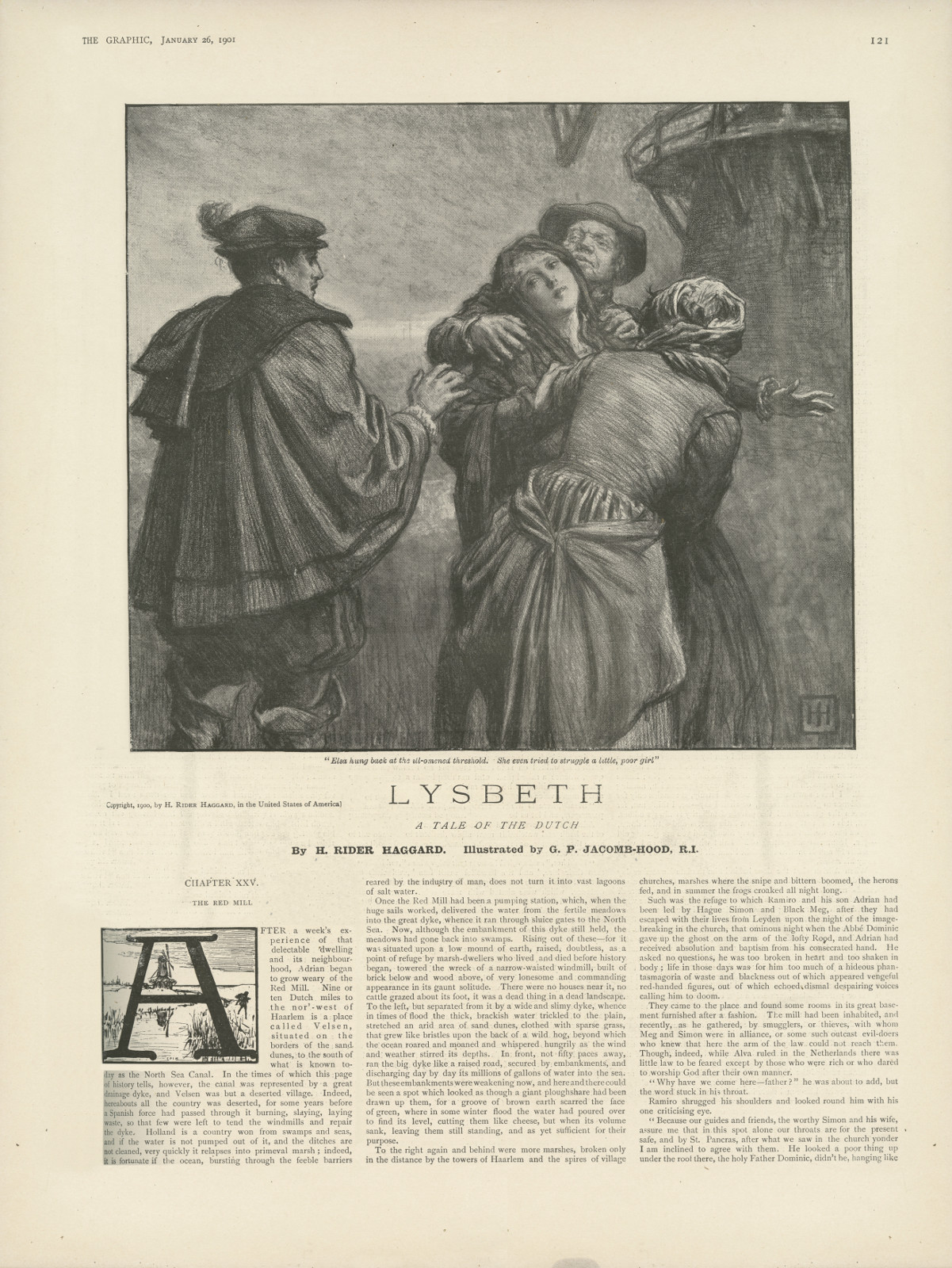
Elsa hung back at its ill-omened threshold. She even tried to struggle a little, poor girl
Illustration
After
Illustration
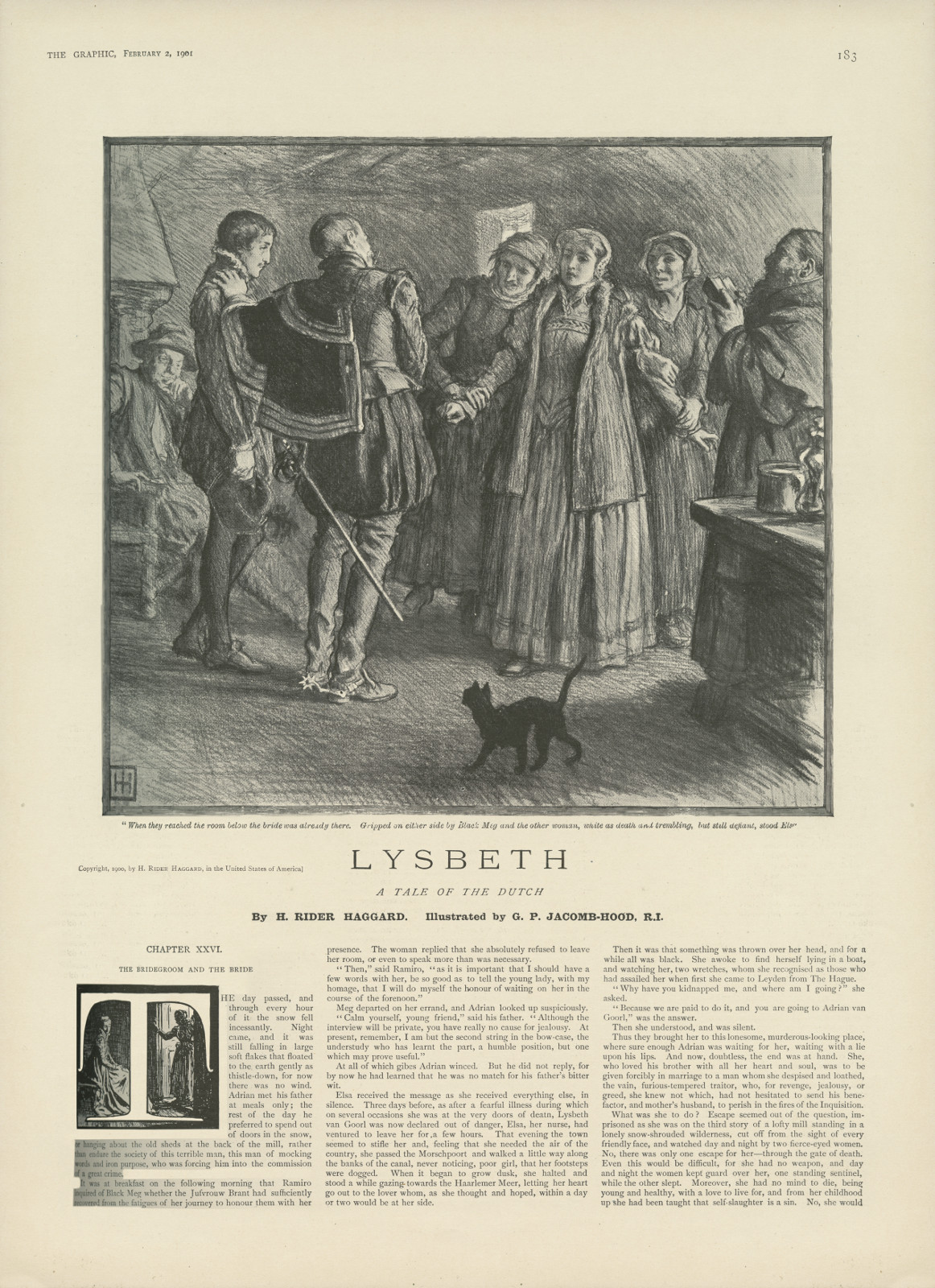
When they reached the room below the bride was already there. Gripped on either side by Black Meg and the other woman, white as death and trembling, but still defiant, stood Elsa
Illustration
The
Illustration
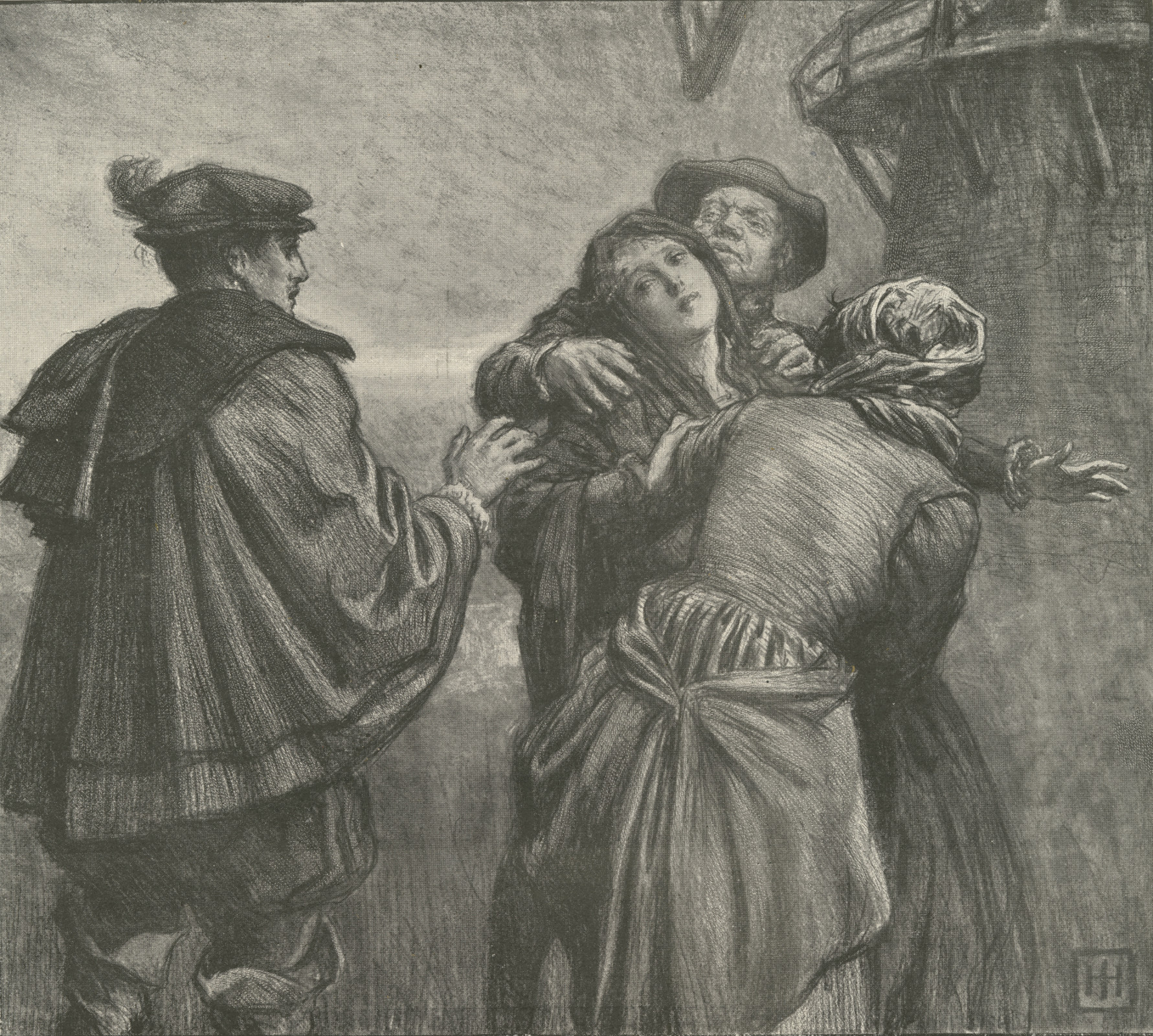
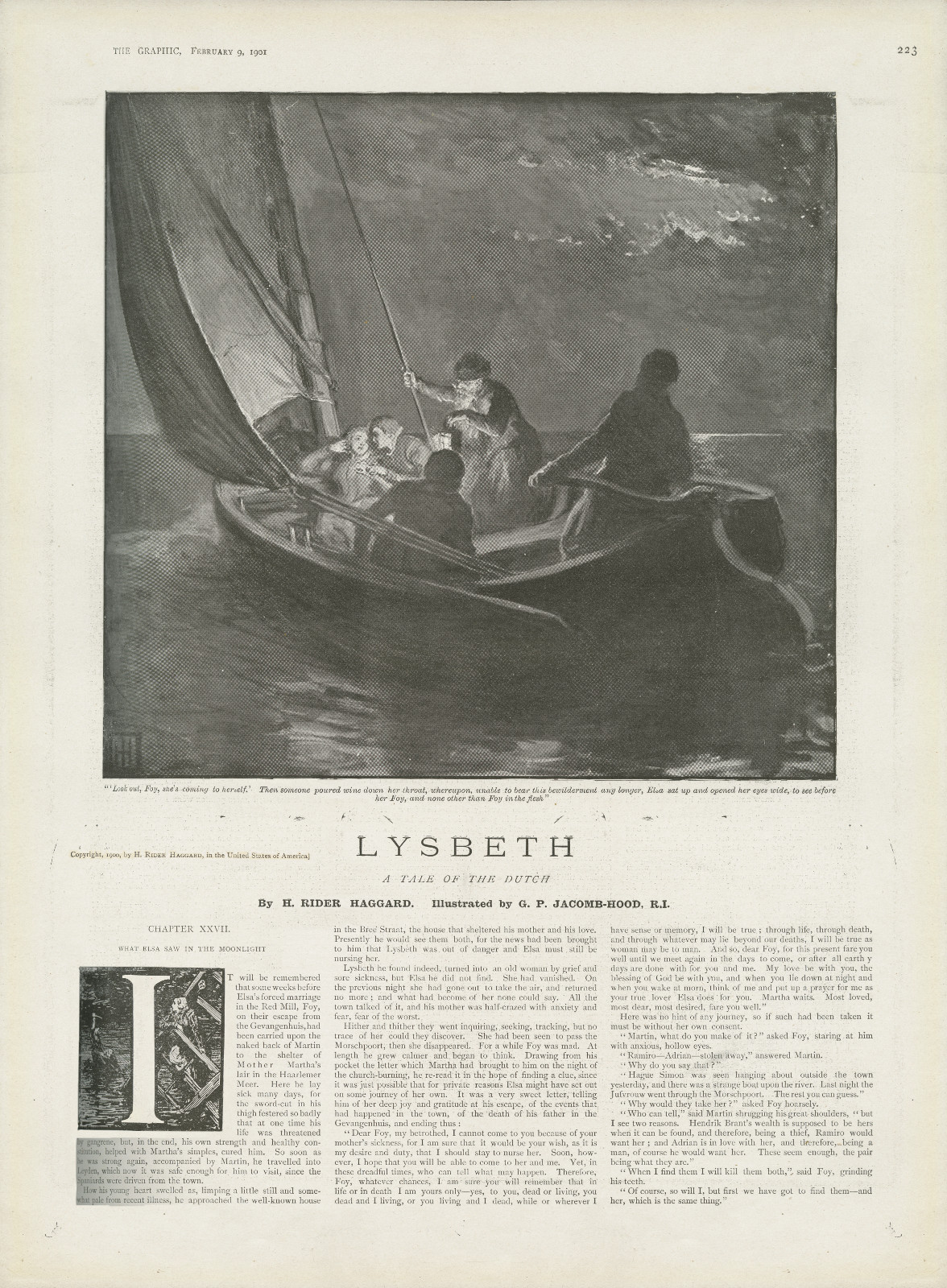
'Look out, Foy, she’s coming to herself.' Then someone poured wine down her throat, whereupon, unable to bear this bewilderment any longer, Elsa sat up and opened her eyes wide, to see before her Foy, and none other than Foy in the flesh
Illustration
It
Illustration
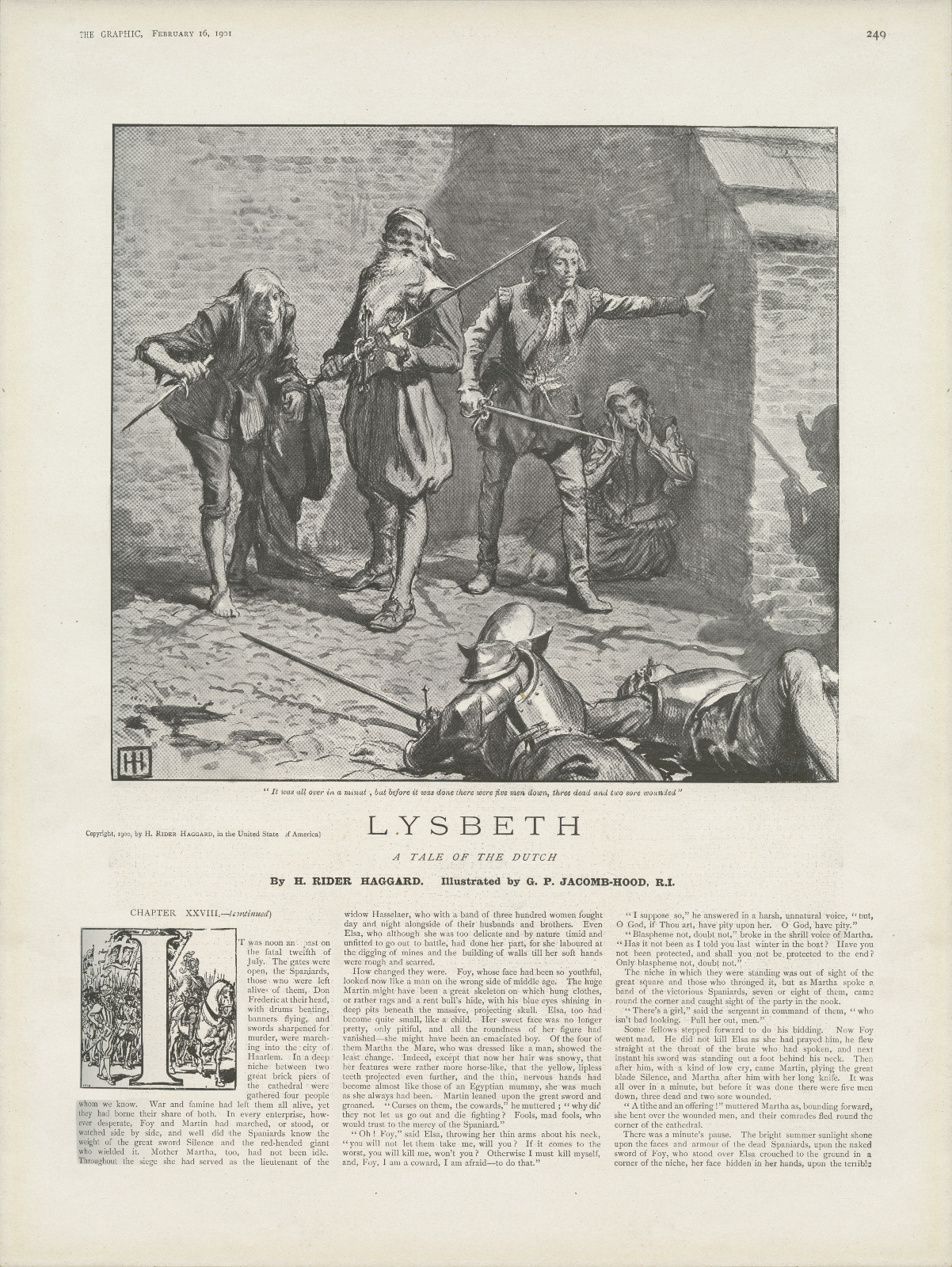
It was all over in a minute, but before it was done there were five men down, three dead and two sore wounded
Illustration
It
Illustration
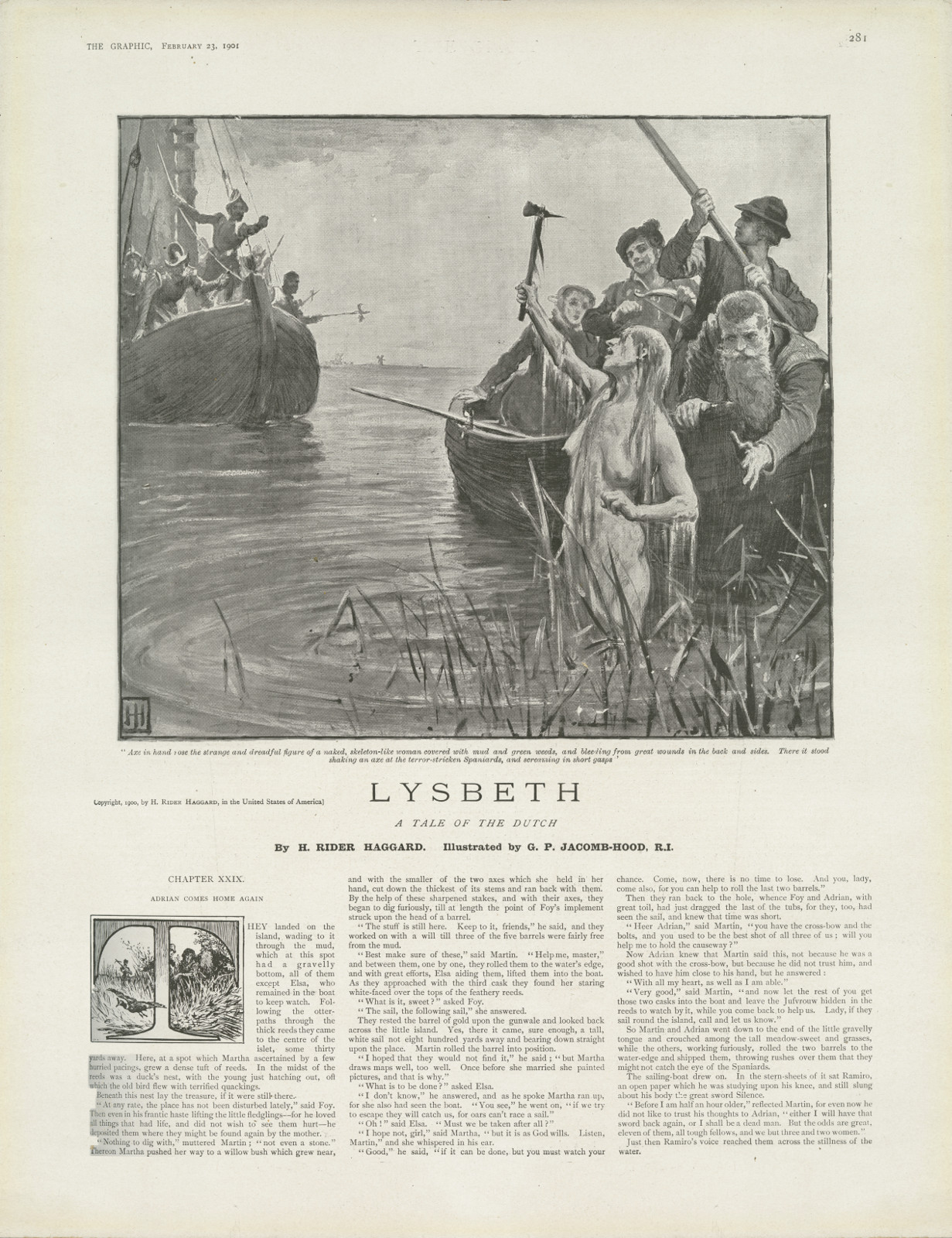
Axe in hand rose the strange and dreadful figure of a naked, skeleton-like woman covered with mud and green weeds, and bleeding from great wounds in the back and sides. There it stood, shaking an axe at the terror-stricken Spaniards

Illustration
That very night, Foy came, and with him Red Martin, his great sword Silence still strapped about his middle

Illustration
Some
Illustration